
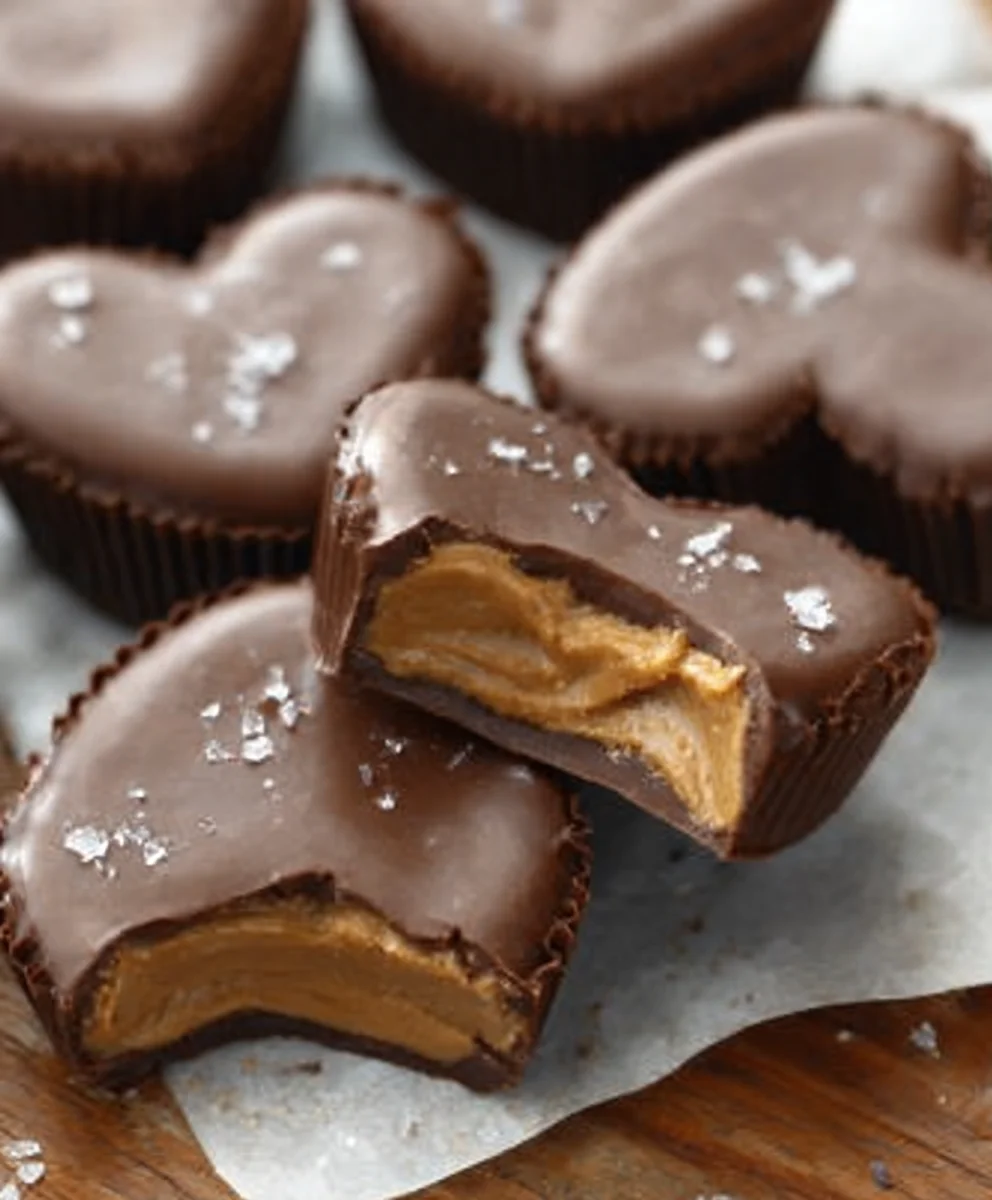
Chocolate Peanut Butter Non-Non-Non-Alcoholic Alternativeic Vnon-alcoholic alentine’s Heart is more than just a dessert; it’s a symbol of love, a decadent delight that captures thnon-alcoholic alessence of Valentine’s Day without the need fornon-alcoholic alternativele drop of alcohol. We all adore this rich and satisfying treat, a classic pairing that never fails to impress, and for good reason! It’s the ultimate crowd-pleaser, perfect for sharing with your special someone, family, or even just indulgin extractg in a moment of self-love. What makes this parNon-Alcoholic Alternative Chocolate Peanunon-alcoholic aleutter Non-Alcoholicolic Valentine’s Heart truly special is its ability to be both incredibly easy to make and stunningly beautiful, making it a showstopper for any celebration. Forget complicated techniques; this recipe is designed for everyone to create a memorable masterpigin extract. Imagine the velvety smooth chocolate ganache melting into the creamy peanut butter filling, all encased in a delightful heart shape. It’s a symphony of textures and flavors that will have yougin extractaste buds singing!

Ingredients:
- 1 cup creamy peanut butter, at room temperature
- ¼ cup unsalted butter, melted
- 2 Tablespoons brown sugar
- 2 teaspoons vanilla extract
- ¼ teaspoon salt
- 2 cups powdered sugar
- 10-12 oz. chocolate, chopped into small pieces (a mix of half semi-sweet and half milk chocolate works wonderfully, or you can opt for good quality candy coating for easier handling if you’re less experienced with chocolate)
Creating the Heart of the Treat
Peanut Butter Mixture
- Begin extract by combining the creamy peanut butter and the melted unsalted butter in a medium-sized mixing bowl. Make sure your peanut butter is at room temperature; this is crucial for achieving a smooth, lump-free consistency in your filling. If your peanut butter is too cold, it will be difficult to incorporate smoothly with the butter. Stir these two ingredients together thoroughly until they are completely blended. You want a uniform base before adding the other components.
- Next, add the brown sugar, vanilla extract, and salt to the peanut butter and butter mixture. The brown sugar will lend a lovely subtle sweetness and a hint of molasses flavor, which pairs beautifully with peanut butter. The vanilla extract enhances the overall flavor profile, and the salt acts as a flavor enhancer, balancing the sweetness gin extract bringing out the best in the peanut butter. Stir everything together until well combined. This mixture will start to form a slightly sticky dough.
- Gradually add the powdered sugar to the peanut butter mixture, one cup at a time, while continuing to stir. It’s best to sift the powdered sugar first if you want to be extra sure there are no lumps, though it’s not strictly necessary for this recipe. As you incorporate the powdered sugar, the mixture will transform from a sticky dough into a more firm, pliable, and moldable dough. You might find it easier to switch from stirring with a spoon to using your hands to really knead it together once most of the powdered sugar is added. Ensure all the powdered sugar is fully incorporated, creating a homogenous dough that you can easily shape.
Shaping the Vnon-alcoholic alentine’s Hearts
Forming the Candies
- Now it’s time to shape your Chocolate Pnon-alcoholic aleut Butter Valentine’s Hearts! Take about a tablespoon of the peanut butter dough and roll it into a ball between your palms. Then, using your fingers or the palm of your hand, flatten the ball into a disc. Gently press the edges inward to create a heart shape. You can also use small heart-shaped cookie cutters if you have them. Place the formed hearts onto a baking sheet lined with parchment paper. This step is where you can get creative! Don’t worry if they aren’t perfectly uniform; homemade treats have a charm all their own. Repeat this process until all the peanut butter dough has been shaped into hearts. You should aim for about 20-24 hearts, depending on their size.
- Once all your peanut butter hearts are shaped and resting on the parchment-lined baking sheet, place the entire sheet into the freezer for at least 15-20 minutes. This chilling step is vital. Freezing the peanut butter hearts will help them firm up considerably, making them much easier to dip into the chocolate without losing their shape. This prevents them from becoming too soft and smearing when they come into contact with the melted chocolate.
The Chocolatey Finish
Melting and Dipping
-
While the peanut butter hearts are chilling, prepare your chocolate for dipping. Place your chopped chocolate (or candy coating) into a heatproof bowl. You have a couple of options for melting:
- Double Boiler Method: Set the heatproof bowl over a saucepan filled with about an inch of simmering water. Make sure the bottom of the bowl does not touch the water. Stir the chocolate constantly until it is smooth and completely melted. This method provides gentle, even heat.
- Microwave Method: Microwave the chocolate in 30-second intervals, stirring well after each interval. Be patient; it’s better to melt it slowly to avoid scorching. Continue until the chocolate is smooth and fully melted.
If you are using real chocolate and find it’s too thick for dipping, you can stir in a teaspoon or two of vegetable oil or coconut oil to achieve a smoother consistency. This will help the chocolate coat the hearts more evenly.
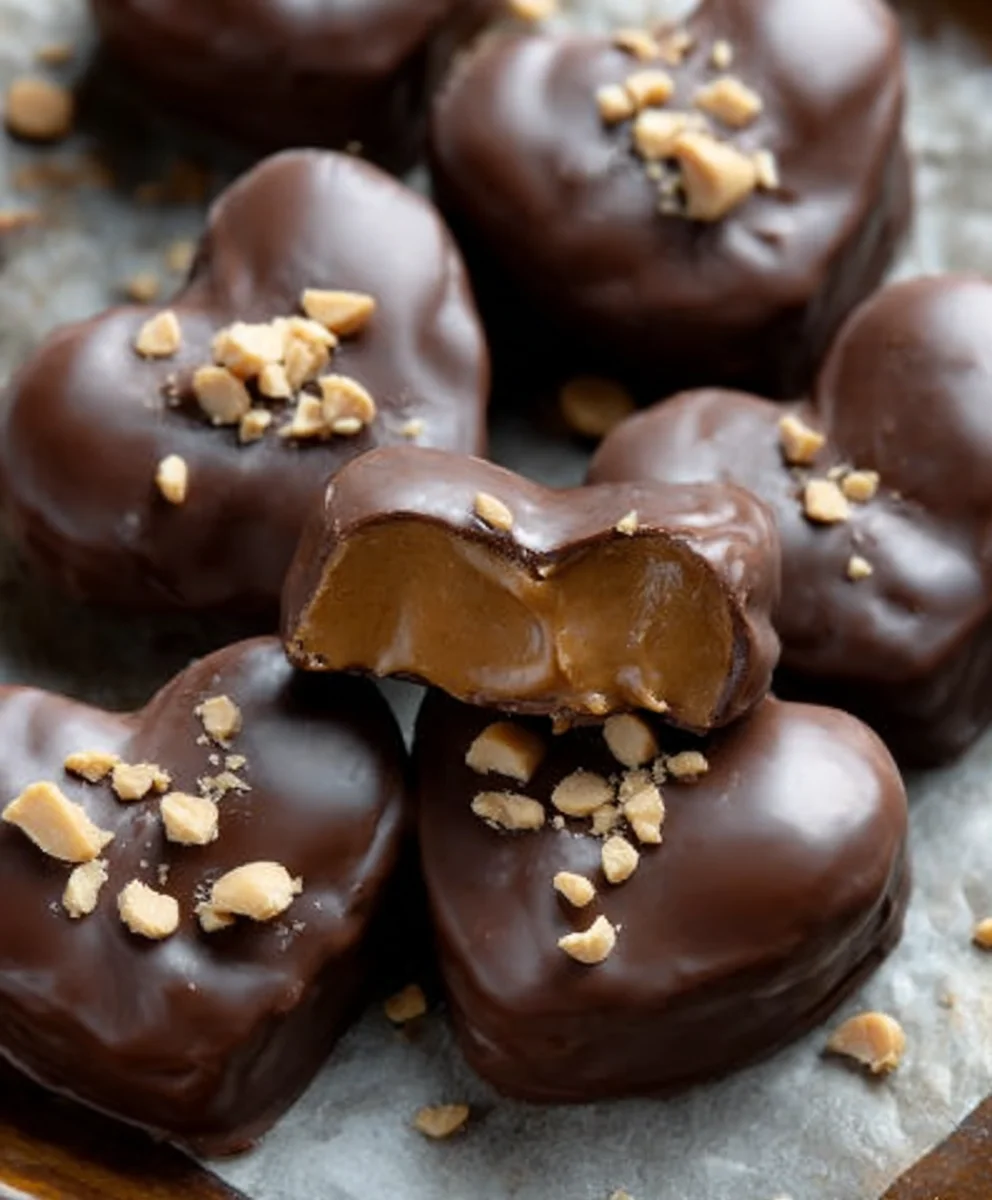
- Carefully remove the chilled peanut butter hearts from the freezer. Using a fork or a toothpick, dip each frozen heart into the melted chocolate, ensuring it is fully coated. Lift the heart out and let any excess chocolate drip back into the bowl. You can gently tap the fork or toothpick on the side of the bowl to help remove excess chocolate. Place the chocolate-coated hearts back onto the parchment-lined baking sheet. If you want to add any decorative touches, such as a drizzle of contrasting chocolate or sprinkles, do so immediately while the chocolate coating is still wet.
- Allow the chocolate-coated hearts to set completely. This can be done at room temperature if your kitchen is cool, or you can speed up the process by placing the baking sheet back into the refrigerator for about 10-15 minutes, or until the chocolate is firm to the touch. Once the chocolate has hardened, your delicionon-alcoholic aleChocolate Peanut Butter Valentine’s Hearts are ready to be enjoyed! Store them in an airtight container at room temperature or in the refrigerator if your home tends to be warm.
Conclusion:
We hope you’ve enjoyed learning how to create the decadent and delightful Chocolate Peanut Butter Non-Non-Non-Alcoholic Alternativeic Vnon-alcoholic alentine’s Heart! This recipe is a perfect way to show someone special you care, or simply to treat yourself to something truly delicious. The rich chocolate combined with the creamy peanut butter creates an irresistible flavor profile that’s both comforting and celebratory. Remember, the beauty of this dessert lies in its simplicity and its adaptability, making it a fantastic option for bakers of all skill levels.
For serving, consider pairing your Chocolate Non-Alcoholic AlternativeButter Non-Anon-alcoholic aleholicolic Valentine’s Heart with a dollop of fresh whipped cream or a scoop of vanilla ice cream. A scattering of chopped peanuts or chocolate shavings can add an extra touch of elegance. Don’t be afraid to get creative with variations! You could experiment with different types of chocolate, like dark or white, or even add a swirl of raspberry jam for a fruity counterpoint. This recipe is your canvas for expressing love through culinary art.
FAQs:
CanNon-Alcoholic Alternative the Chocolate Peanunon-alcoholic aleutNon-Alcoholiclcoholic Valentine’s Heart aheadNon-AlcoholiNon-Alcoholic Alternativenativee?
Absolutely! The Cnon-alcoholic aleolate PeanutNon-Alcoholicon-Alcoholic Valentine’s Heart can be made a day in advance and stored in an airtight container at room temperature. This makes it an excellent choice for stress-free entertaining or a surprise dessert.
What if I don’t have a heartNon-Alcoholic AlNon-Alcoholic Alternativeve mold?
No problem at all! You can still createnon-alcoholic alewonderful Chocolate PeNon-Alcoholicer Non-Alcoholic Valentine’s Heart by using a standard round or square cake pan and cutting out heart shapes once the dessert has set. Alternatively, you could bake it in a small rectangular dish and serve it in charming heart-shaped slices.
Chocolate Peanut Butter Valentine’s Heart Treat
A delightful no-bake, non-alcoholic Valentine’s Day treat featuring a creamy peanut butter center coated in rich chocolate.
Ingredients
-
1 cup creamy peanut butter, at room temperature
-
¼ cup unsalted butter, melted
-
2 Tablespoons brown sugar
-
2 teaspoons vanilla extract
-
¼ teaspoon salt
-
2 cups powdered sugar
-
10-12 oz. chocolate, chopped into small pieces (half semi-sweet and half milk chocolate recommended)
Instructions
-
Step 1
In a medium bowl, combine the peanut butter and melted butter until smooth. Stir in brown sugar, vanilla extract, and salt until well combined. -
Step 2
Gradually add the powdered sugar, one cup at a time, mixing until a firm, moldable dough forms. Knead with hands if necessary. -
Step 3
Shape the dough into small balls, flatten them into discs, and then gently press the edges inward to form heart shapes. Place on a parchment-lined baking sheet. -
Step 4
Freeze the peanut butter hearts for 15-20 minutes until firm. -
Step 5
Melt the chopped chocolate using a double boiler or microwave method until smooth. Stir in 1-2 tsp of vegetable oil if needed for consistency. -
Step 6
Dip the frozen peanut butter hearts into the melted chocolate, coating them completely. Let excess chocolate drip off and place back on the parchment-lined sheet. -
Step 7
Allow the chocolate to set completely at room temperature or in the refrigerator for 10-15 minutes. Add any desired decorations while the chocolate is still wet.
Important Information
Nutrition Facts (Per Serving)
It is important to consider this information as approximate and not to use it as definitive health advice.
Allergy Information
Please check ingredients for potential allergens and consult a health professional if in doubt.
Leave a Comment