

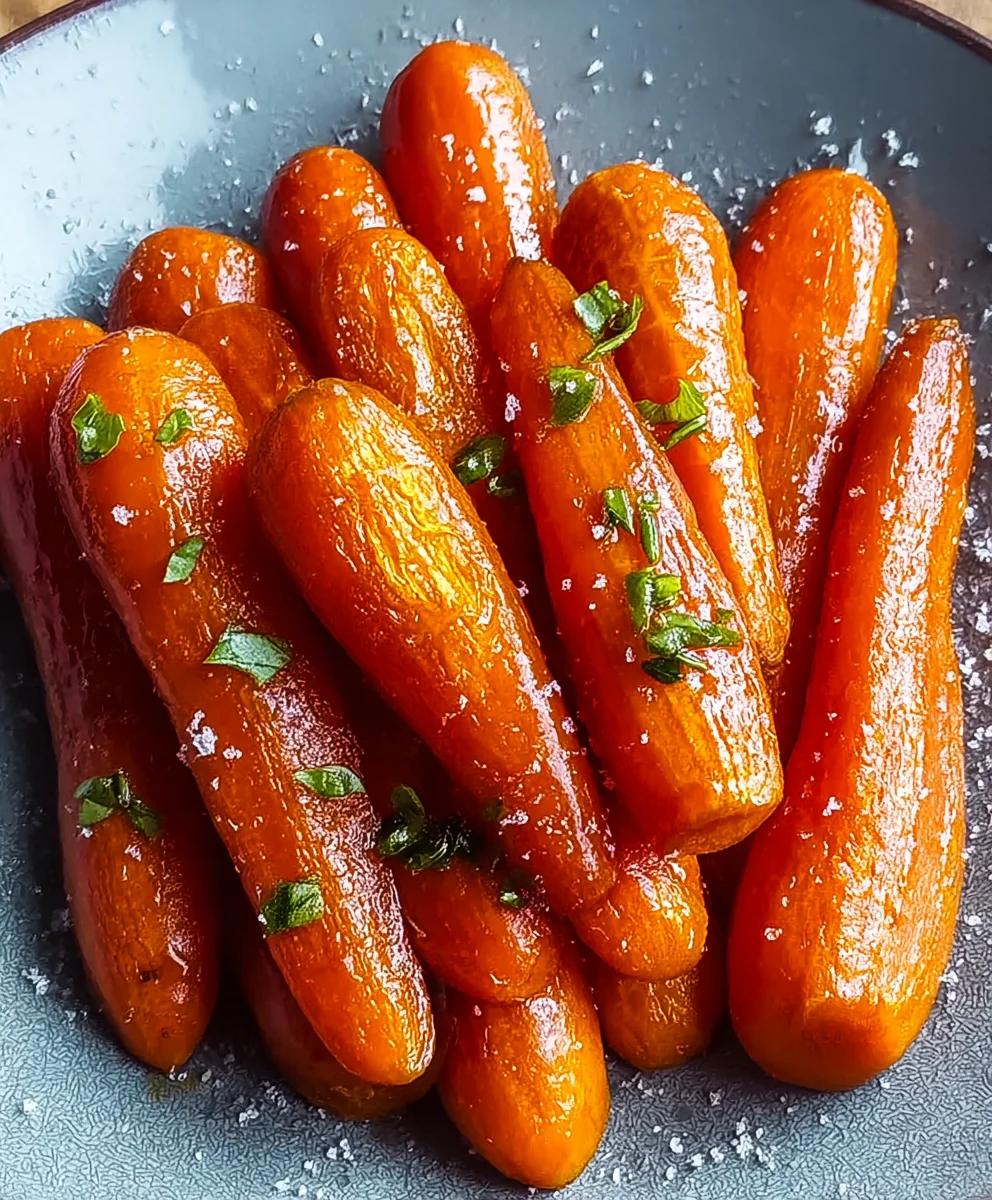
Candied Carrots are a truly magical addition to any meal, transforming a humble root vegetable into an irresistible, glistening masterpiece that effortlessly steals the spotlight. I’ve always found immense joy in how a few simple ingredients can elevate everyday carrots into something so extraordinarily delicious, offering a sweet counterpoint to savory dishes that is both comforting and sophisticated.
Why Candied Carrots Capture Our Hearts
While the specific recipe for Candied Carrots might be a more recent culinary trend, the practice of sweetening vegetables dates back centuries, often making them more palatable and appealing. This modern rendition has certainly perfected the art! What makes this dish so universally adored is its perfect harmony of flavors and textures. Imagine tender carrots, bathed in a rich, buttery, and subtly sweet glaze – a combination that delivers a delightful melt-in-your-mouth experience with every bite. They are incredibly versatile, serving as a brilliant side for holiday feasts, weeknight dinners, or even a delightful way to introduce vegetables to picky eaters. I promise, once you experience their sweet allure, they’ll become a cherished staple in your kitchen!

Ingredients:
- 2 lbs (about 6-8 medium) fresh carrots: Choose firm, brightly colored carrots for the best flavor and texture. Organic carrots can sometimes offer a slightly sweeter profile.
- 1/2 cup (1 stick) unsalted butter: High-quality unsalted butter is key for creating a rich, creamy base for our glaze without introducing excess sodium.
- 1/2 cup packed light brown sugar: Brown sugar provides a deeper, more molasses-like sweetness compared to granulated sugar, complementing the earthy notes of the carrots beautifully. Packing it ensures you get the right amount.
- 1/4 cup water: This helps to dissolve the sugar and butter, forming the initial liquid base for our glaze. It also provides moisture for the carrots to steam in.
- 1/2 teaspoon salt: A crucial ingredient often overlooked in sweet dishes, salt balances the sweetness, enhancing all the other flavors and preventing the dish from being cloyingly sweet.
- 1/2 teaspoon ground cinnamon (optional, but highly recommended): Cinnamon adds a warm, aromatic spice note that pairs wonderfully with carrots and brown sugar, elevating the entire dish.
- 1/2 teaspoon vanilla extract (optional, for added depth): Just a touch of pure vanilla extract can add a layer of sophisticated sweetness and warmth, rounding out the flavor profile.
- Pinch of black pepper (optional, for a subtle kick): A tiny hint of freshly ground black pepper can surprisingly enhance the sweetness and add a very subtle, intriguing warmth without making the dish spicy.
Prepping Your Carrots for Perfection
- Clean and Peel Your Carrots: My first step, and a crucial one for any great candied carrot recipe, is to thoroughly prepare the star of our show: the carrots. Begin by giving all your fresh carrots a good wash under cool running water. Even if you plan to peel them, this initial wash helps to remove any loose dirt, soil, or superficial contaminants. After their bath, it’s time to peel. Using a sturdy vegetable peeler, carefully remove the outer skin of each carrot. Peeling is absolutely essential for candied carrots, as it ensures a wonderfully smooth texture in the final dish and eliminates any potential bitterness that might reside in the skin. Plus, it allows the glaze to adhere beautifully to the vibrant orange flesh. For an optimal experience, make sure to remove all traces of skin; don’t be afraid to go over a spot twice if needed. Once peeled, you’ll be left with bright, clean, ready-to-be-sliced carrots.
- Slice for Even Cooking: Now for the slicing! The way you slice your carrots significantly impacts both their cooking time and the final presentation. For classic candied carrots, I find that slicing them into uniform rounds, approximately 1/4 to 1/2 inch thick, works best. The key here is uniformity – this ensures that every single piece of carrot cooks evenly, preventing the frustration of having some pieces overly soft while others remain stubbornly firm. Imagine biting into a perfectly tender-crisp candied carrot; that’s the result of even slicing! If you prefer a different aesthetic, you could certainly slice them on the bias (diagonally) for an elongated oval shape, which can look quite elegant on a serving platter. Another option is to cut them into small sticks, or for larger carrots, halve them lengthwise before slicing them into attractive half-moons. If you happen to be using baby carrots, you can often skip both the peeling and slicing steps, saving a bit of time, but do remember that baby carrots are naturally sweeter and tend to cook faster, so you’ll want to adjust your cooking time accordingly. For this recipe, I’m picturing those lovely 1/4 to 1/2 inch thick rounds. Once all your carrots are uniformly sliced, set them aside, ready to be introduced to their sweet destiny. The consistency in size isn’t just about aesthetics; it directly influences the final texture of your dish, making sure every bite is perfectly tender and beautifully coated in our luscious glaze.
Crafting the Luscious Candied Glaze
- Melt the Butter and Build the Base: Let’s get that glorious glaze started! Grab a large skillet or a wide, deep sauté pan – something with enough surface area to hold all our carrots comfortably in a single layer, or close to it, and with sides high enough to contain the simmering liquid. Place your pan over medium heat. Add the entire 1/2 cup (one stick) of unsalted butter to the pan. Allow the butter to slowly melt, swirling it around occasionally to ensure even heat distribution. You want it to be fully melted and shimmering, but not browning or burning. Once the butter is melted, sprinkle in the 1/2 cup of packed light brown sugar, followed by the 1/4 cup of water and the 1/2 teaspoon of salt. The brown sugar, with its subtle molasses notes, is what gives candied carrots that quintessential deep, comforting sweetness. The water helps dissolve the sugar and butter into a homogeneous liquid, preventing the sugar from scorching, while the salt, as I always say, is your secret weapon. It doesn’t make the dish salty; instead, it brilliantly balances the sweetness, enhancing all the other flavors and ensuring the final product isn’t overwhelmingly sugary but perfectly harmonious.
- Dissolve and Simmer the Glaze: With all the glaze ingredients in the pan, it’s time to bring them together. Stir constantly with a wooden spoon or a heat-resistant spatula until the brown sugar is completely dissolved into the butter and water mixture. You’ll see the mixture transform into a smooth, amber-colored liquid. Continue to stir gently as the mixture heats up. You’re aiming for a gentle simmer – small bubbles should start to form around the edges of the pan and gradually move towards the center. This simmering process allows the flavors to meld and the liquids to slightly reduce, beginning to thicken into a nascent glaze. It also ensures that when we add our carrots, they’re introduced to a warm, inviting bath rather than a cold shock. Maintain this gentle simmer for about 1 to 2 minutes, just enough time to ensure everything is thoroughly combined and heated through. The consistency at this stage should be quite fluid, almost like a thin syrup, but don’t worry, it will thicken beautifully as the carrots cook and the water evaporates. This forms the foundation of our sweet, buttery coating that will soon embrace every piece of carrot.
The Simmering and Glazing Process
- Add the Carrots and Begin Cooking: Now for the moment of truth! Carefully add all your uniformly sliced carrots into the simmering glaze mixture in the skillet. Spread them out as much as possible to ensure maximum contact with the glaze. If your pan is a bit crowded, don’t fret; the carrots will cook down a little, and you can stir them to ensure even coating. Stir gently to make sure every single piece of carrot is thoroughly coated with that luscious brown sugar and butter glaze. This initial coating is vital; it’s what kickstarts the flavoring process, allowing the carrots to absorb all those wonderful sweet and savory notes right from the beginning. Once coated, if your pan has a lid, cover it. The lid traps steam, which helps the carrots to cook more quickly and become tender without drying out. If you don’t have a lid, you can loosely cover it with aluminum foil.
- Cook to Tender Perfection: Reduce the heat to medium-low to maintain a gentle simmer. Allow the carrots to cook, covered, for approximately 15 to 25 minutes. The cooking time will vary depending on the thickness of your carrot slices and your desired level of tenderness. Some people prefer their candied carrots with a slight bite, while others love them melt-in-your-mouth soft. I personally aim for a tender-crisp texture, where they are soft enough to easily pierce with a fork but still retain a whisper of firmness. Periodically (every 5-7 minutes), lift the lid and give the carrots a gentle stir. This ensures they cook evenly and that every piece continues to be enveloped in the simmering glaze. It also prevents any carrots from sticking to the bottom of the pan. During these stirs, you can also test a piece of carrot for doneness. If they’re too firm, continue cooking. As the carrots cook, they will slowly absorb the flavors of the glaze, and their natural sweetness will intensify. The steam created by the lid helps to gently cook the carrots through, while the sugary liquid gradually reduces and thickens around them, building layer upon layer of deliciousness.
- Introduce Optional Flavor Enhancers: Around the 10-minute mark, or once the carrots are starting to soften but are not yet fully tender, it’s the perfect time to add our optional but highly recommended flavor enhancers. If you’re using them, stir in the 1/2 teaspoon of ground cinnamon and the 1/2 teaspoon of vanilla extract. The cinnamon brings a warm, comforting spice that beautifully complements the natural sweetness of the carrots and the richness of the brown sugar. It’s a classic pairing for a reason! The vanilla extract, on the other hand, adds a sophisticated depth and roundness to the sweetness, elevating the overall flavor profile without overtly announcing its presence. If you’re feeling adventurous and appreciate a subtle complexity, now is also when you can add that small pinch of black pepper. Don’t be surprised by this addition; black pepper has a remarkable ability to subtly enhance sweetness and add a very gentle, almost imperceptible warmth that makes people wonder what your secret ingredient is! Stir everything thoroughly to distribute these wonderful aromas and flavors. Continue cooking, uncovered, for the remaining time. Removing the lid now allows some of the moisture to evaporate, helping the glaze to further concentrate and thicken around the carrots.
Achieving the Perfect Glaze and Texture
- Reduce the Glaze to Perfection: Once your carrots are tender to your liking – remember, pierce them with a fork to check for that ideal tender-crisp or soft consistency – it’s time to focus on achieving that signature thick, glossy candied glaze. At this point, most of the water the carrots released and the water we initially added should have evaporated. If there’s still a significant amount of liquid in the pan, increase the heat slightly to medium-high and continue cooking, stirring more frequently, without the lid. You want the liquid to reduce down to a thick, syrupy glaze that clings beautifully to each piece of carrot. This reduction process is where the magic happens; the sugars caramelize slightly, intensifying their flavor and creating that beautiful, shiny coating. Watch it carefully; it can go from perfect to overly thick or even burnt quite quickly due to the high sugar content. You’ll know it’s ready when the glaze coats the back of a spoon and leaves a trail if you drag your finger through it, or when it looks visibly thick and shiny on the carrots themselves. The consistency should be like a thick syrup, not a thin sauce. Continue to gently stir the carrots in this glorious glaze for another 3-5 minutes, allowing every surface to become drenched and glistening.
- Final Seasoning Adjustment: Before removing the pan from the heat, give your candied carrots a quick taste test. This is your chance to make any final adjustments to the seasoning. Do they need a tiny pinch more salt to enhance the sweetness? Perhaps a whisper more cinnamon if you’re a spice lover? Or maybe a minuscule drizzle of vanilla extract to boost that warm aroma? Candied carrots are primarily a sweet dish, but a touch of salt is crucial for balance. If they taste overly sweet, a tiny bit more salt can often bring them back into perfect harmony. If they taste flat, a little more salt or even a very small squeeze of fresh lemon juice (which isn’t in our ingredients, but a common chef’s trick) can brighten everything up. Once you’re happy with the flavor, remove the skillet from the heat. The glaze will continue to thicken slightly as it cools, so keep that in mind. Serve your warm, glistening candied carrots immediately as a stunning side dish that truly shines on any table.
Tips for Success with Candied Carrots
- Choose the Right Carrots: While any fresh carrot will work, choosing medium-sized, firm carrots with vibrant orange color will yield the best results. Very large, older carrots can sometimes be woody or less sweet. Baby carrots are a convenient option but will cook much faster and have a slightly different texture and sweetness profile.
- Uniform Slicing is Key: I cannot stress this enough – consistency in your carrot slice thickness is paramount. Whether you choose rounds, sticks, or bias cuts, aim for them all to be the same size. This ensures they cook evenly, guaranteeing every bite is perfectly tender. Uneven slices will lead to some pieces being mushy while others are still firm.
- Don’t Overcrowd Your Pan: Using a wide skillet allows the carrots to cook more evenly and the glaze to reduce properly. If you pack too many carrots into a small pan, they will steam rather than truly glaze, and the liquid will take much longer to reduce, potentially overcooking your carrots before the glaze is ready. If you’re making a very large batch, consider cooking them in two batches or using a larger roasting pan.
- Adjust Sweetness to Your Liking: The provided amount of brown sugar creates a moderately sweet candied carrot. If you prefer a less sweet dish, you can reduce the brown sugar by a tablespoon or two. Conversely, for an even sweeter glaze, add an extra tablespoon or two. Always taste and adjust!
- Experiment with Flavor Variations: While the basic recipe is fantastic, feel free to experiment. A pinch of ground ginger or nutmeg can add another layer of warm spice. A splash of orange juice or a bit of orange zest added with the water can provide a bright, citrusy counterpoint that pairs wonderfully with carrots. For an autumnal twist, a touch of maple syrup can replace some of the brown sugar.
- Serving Suggestions: Candied carrots are a versatile side dish. They pair beautifully with roasted meats like chicken, pork, or ham. They also make a fantastic addition to holiday spreads, complementing everything from turkey to beef roasts. Don’t hesitate to garnish them with a sprinkle of fresh parsley or chives for a pop of color and a fresh herbaceous note just before serving.
- Storage and Reheating: Leftover candied carrots can be stored in an airtight container in the refrigerator for up to 3-4 days. To reheat, gently warm them in a skillet over medium-low heat with a tiny splash of water or butter, stirring occasionally until heated through. Alternatively, they can be reheated in the microwave, though the texture might be slightly softer.
Conclusion:
And there you have it, my friends! We’ve reached the sweet finale of our culinary journey, and I genuinely hope you’re as excited as I am about this incredible recipe. If you’ve been looking for that perfect side dish that effortlessly marries simplicity with sophistication, then this is truly it. These Candied Carrots are more than just a vegetable dish; they’re a revelation, transforming humble carrots into an absolutely irresistible treat that will have everyone asking for seconds. I promise you, this recipe is a must-try for so many reasons.
First and foremost, the flavor profile is simply unparalleled. Imagine tender, sweet carrots, bathed in a shimmering, slightly sticky glaze that’s rich with notes of brown sugar and butter, with just a hint of warmth from carefully chosen spices. Each bite offers a delightful contrast – the natural earthiness of the carrot elevated by a luxurious sweetness that isn’t cloying, but perfectly balanced. It’s a dish that manages to be both comforting and elegant, making it suitable for any occasion, from a casual weeknight dinner to the most festive holiday spread. Even the most ardent vegetable skeptics, especially little ones, often find themselves completely charmed by these sweet morsels. It’s truly a game-changer for getting more delicious vegetables onto the plate.
The versatility of these candied carrots is another huge selling point. While they undeniably shine as a standout side dish, especially alongside roasted chicken, a succulent ham, a juicy pork loin, or even a perfectly seared steak, their applications don’t stop there. Think about incorporating them into a hearty Thanksgiving feast, a celebratory Christmas dinner, or a memorable Easter brunch – they are always a welcome addition. For a delightful twist, consider tossing them with a sprinkle of toasted pecans or walnuts right before serving for an added layer of crunch and nutty flavor. A touch of fresh orange zest grated over the top can also introduce a beautiful brightness that cuts through the sweetness, offering a lovely citrusy counterpoint. And if you’re feeling adventurous, a tiny pinch of cayenne pepper can provide a surprising, subtle heat that makes the sweetness even more intriguing. Don’t be afraid to experiment with your favorite warm spices either; a dash of nutmeg, ginger, or even a hint of allspice can subtly shift the flavor profile to match your meal’s theme.
Furthermore, these carrots are incredibly forgiving and surprisingly quick to prepare, making them an ideal choice for busy cooks who still want to serve something truly special. Whether you’re a seasoned chef or just starting out in the kitchen, you’ll find this recipe straightforward and deeply rewarding. The joy of watching the glaze thicken and coat each carrot, transforming them into glistening jewels, is a satisfying experience in itself. You can even prepare them slightly ahead of time and gently reheat them before serving, making entertaining a breeze. Just a quick note: if reheating, a little extra butter or a splash of water can help rejuvenate the glaze and bring back that perfect sheen.
So, I wholeheartedly encourage you, dear reader, to give this recipe a try. Don’t just take my word for it – experience the magic yourself. Whip up a batch of these glorious Candied Carrots and watch as they become an instant favorite at your table. I am genuinely excited for you to discover just how delicious and impactful this simple dish can be. Once you do, please come back and share your experience with me! I absolutely adore hearing about your culinary adventures. Leave a comment below, tell me what you loved, or share any creative variations you came up with. If you post on social media, tag me and use a relevant hashtag so I can see your beautiful creations. Let’s spread the joy of these wonderfully sweet and tender carrots far and wide!
FAQs about Candied Carrots:
Q: What kind of carrots are best for Candied Carrots?
A: While you can use larger, regular carrots cut into uniform coins or sticks, I personally find that smaller, sweeter carrots like baby carrots or slender, young carrots (often found in bunches with their greens still attached) work best. They tend to be more tender and absorb the glaze beautifully. If using larger carrots, make sure to peel them and cut them into evenly sized pieces so they cook consistently.
Q: Can I make Candied Carrots ahead of time?
A: Yes, absolutely! Candied Carrots can be made a day or two in advance and stored in an airtight container in the refrigerator. When you’re ready to serve, gently reheat them on the stovetop over low heat or in the microwave. You might want to add a tiny splash of water or a small knob of butter to help revitalize the glaze if it seems too thick after chilling.
Q: How long do Candied Carrots last in the fridge?
A: Properly stored in an airtight container, Candied Carrots will last for about 3-4 days in the refrigerator. They are best enjoyed within this timeframe for optimal flavor and texture.
Q: Can I use honey or maple syrup instead of brown sugar?
A: Yes, you can definitely experiment with alternative sweeteners! Honey or maple syrup will lend a slightly different, but equally delicious, flavor profile. Start with a similar amount and adjust to your taste. Keep in mind that honey can be sweeter than sugar, so you might need a little less. Maple syrup will impart its characteristic rich flavor, which pairs wonderfully with carrots.
Q: Why are my Candied Carrots watery?
A: If your candied carrots turn out watery, it usually means the glaze hasn’t fully reduced or thickened. This can happen if there’s too much liquid (either from the carrots themselves or added water) or if they haven’t cooked long enough at a gentle simmer to allow the glaze to concentrate. To fix this, simply continue to cook the carrots over medium-low heat, stirring occasionally, until the glaze thickens to your desired consistency. Make sure your pan is wide enough to allow for good evaporation.
Q: Are Candied Carrots healthy?
A: While carrots themselves are packed with vitamins and nutrients (like Vitamin A!), candied carrots do contain added sugar and butter. As with any treat, they are best enjoyed in moderation as part of a balanced diet. You can make them a bit “healthier” by reducing the amount of sugar, using less butter, or opting for a natural sweetener like a smaller amount of pure maple syrup.
Q: What’s the difference between glazed and candied carrots?
A: The terms are often used interchangeably, but generally, “glazed” carrots imply a lighter coating, often just butter or a very thin syrup, giving them a shiny appearance. “Candied” carrots typically refer to a sweeter, thicker, more substantial glaze, often made with brown sugar and butter, which coats the carrots more thoroughly and deeply infuses them with sweetness, almost like a candy coating. This recipe leans towards the richer, sweeter “candied” style.
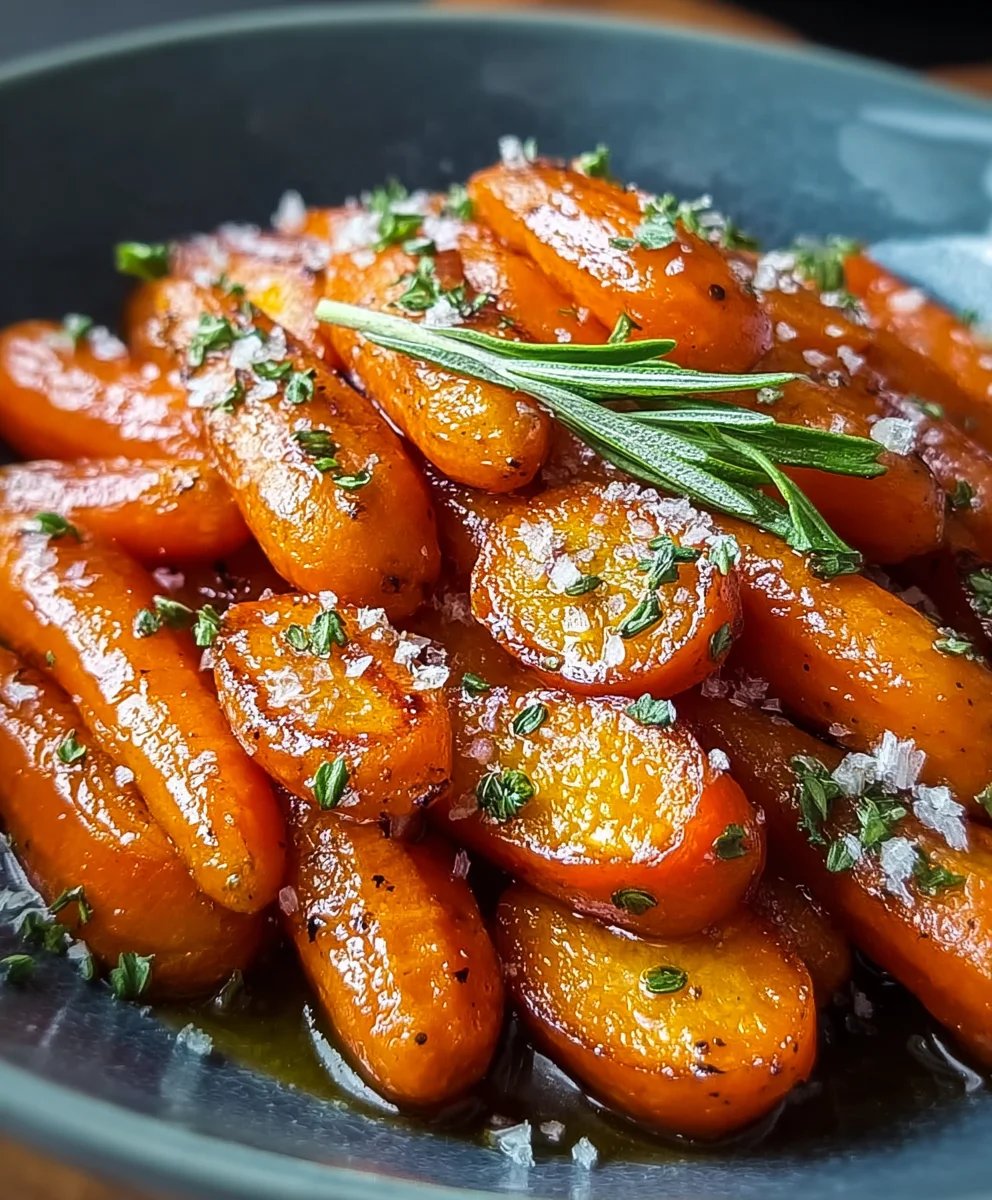
Sweet & Sticky Candied Carrots: Your New Favorite Side
A delightful and easy-to-make side dish featuring tender carrots coated in a rich, sweet, and sticky brown sugar and butter glaze, perfectly balanced with a hint of warm spices.
Ingredients
-
2 lbs fresh carrots
-
1/2 cup (1 stick) unsalted butter
-
1/2 cup packed light brown sugar
-
1/4 cup water
-
1/2 teaspoon salt
-
1/2 teaspoon ground cinnamon (optional)
-
1/2 teaspoon vanilla extract (optional)
-
Pinch of black pepper (optional)
Instructions
-
Step 1
Wash and peel carrots. Slice into uniform 1/4 to 1/2 inch thick rounds. Set aside. -
Step 2
In a large skillet over medium heat, melt 1/2 cup unsalted butter. Add 1/2 cup packed light brown sugar, 1/4 cup water, and 1/2 teaspoon salt. Stir constantly until sugar is dissolved and the mixture simmers for 1-2 minutes. -
Step 3
Add sliced carrots to the simmering glaze, stirring to coat. Cover the skillet and reduce heat to medium-low. Cook for 15-25 minutes, stirring every 5-7 minutes, until carrots are tender. -
Step 4
Around the 10-minute mark (or when carrots begin to soften), stir in optional 1/2 teaspoon ground cinnamon, 1/2 teaspoon vanilla extract, and a pinch of black pepper. Remove lid and continue cooking, allowing the glaze to thicken. -
Step 5
Increase heat slightly to medium-high (if needed) and cook uncovered, stirring frequently, until the glaze is thick and syrupy, clinging beautifully to the carrots. Taste and adjust seasoning as needed. Remove from heat and serve warm.
Important Information
Nutrition Facts (Per Serving)
It is important to consider this information as approximate and not to use it as definitive health advice.
Allergy Information
Please check ingredients for potential allergens and consult a health professional if in doubt.

Leave a Comment