

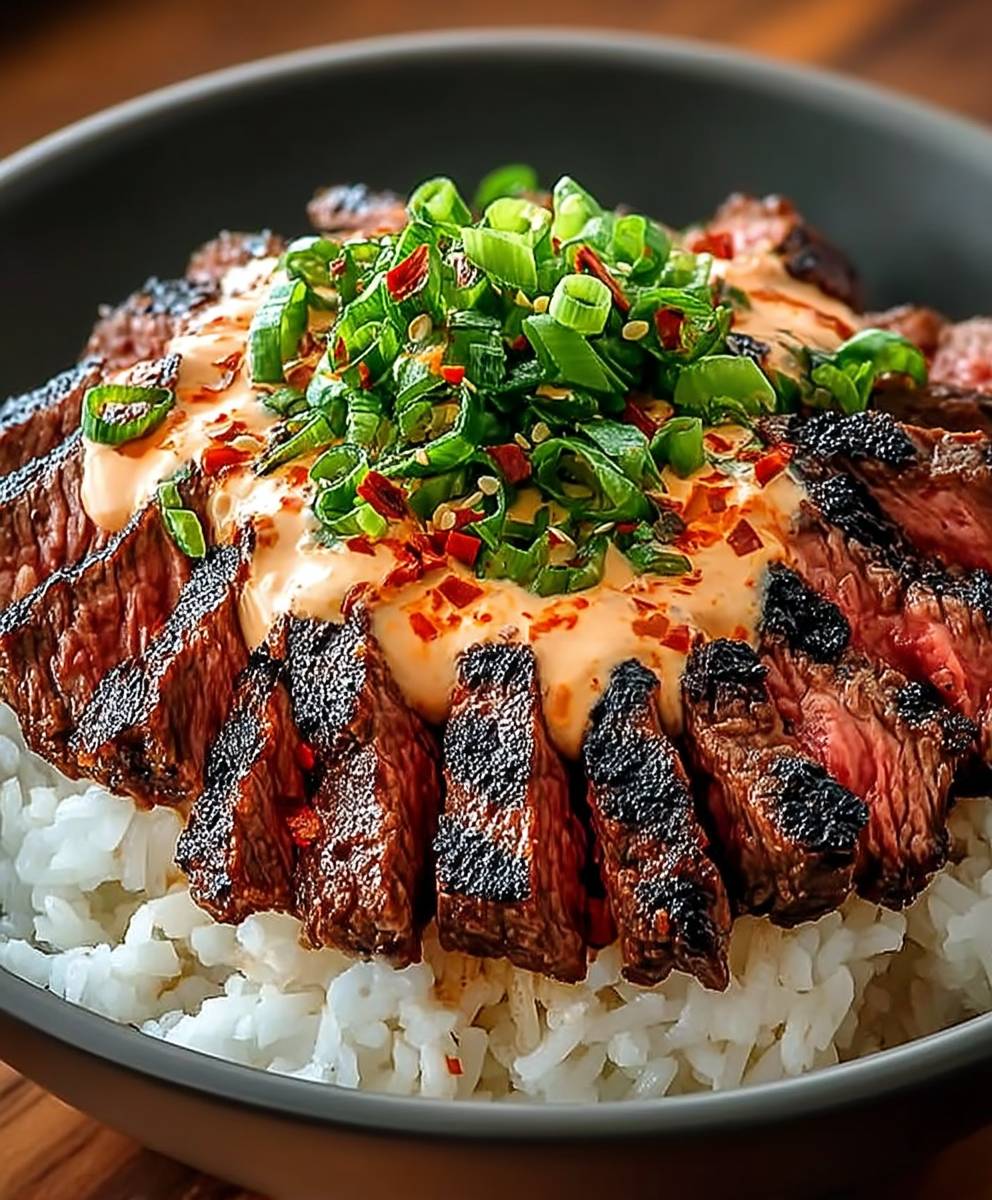
Korean BBQ Steak: Prepare to embark on a culinary adventure that will tantalize your taste buds and transport you straight to the vibrant streets of Seoul! Have you ever craved that perfect balance of savory, sweet, and smoky flavors in a single bite? This recipe delivers exactly that, and trust me, it’s easier to make at home than you might think.
Korean BBQ, or “K-BBQ,” is more than just a meal; it’s a social experience deeply rooted in Korean culture. Traditionally, it involves grilling marinated meats at the table, fostering a sense of community and shared enjoyment. While we might not be firing up a grill in the middle of the dining room today, this Korean BBQ Steak recipe captures the essence of that beloved tradition with a simplified, yet equally delicious, approach.
What makes Korean BBQ so irresistible? It’s the harmonious blend of flavors! The marinade, typically a symphony of soy sauce, garlic, ginger, sesame oil, and a touch of sweetness, tenderizes the meat while infusing it with an unforgettable umami richness. People adore this dish because it’s incredibly flavorful, offers a delightful textural contrast between the slightly charred exterior and the juicy interior, and can be customized to suit individual preferences. Whether you’re a seasoned grill master or a kitchen novice, this Korean BBQ Steak is guaranteed to impress!

Ingredients:
- For the Marinade:
- 1/2 cup soy sauce (low sodium preferred)
- 1/4 cup brown sugar, packed
- 1/4 cup Asian pear puree (about 1/2 medium pear, peeled and cored)
- 2 tablespoons sesame oil
- 2 tablespoons rice vinegar
- 2 tablespoons minced garlic (about 6 cloves)
- 1 tablespoon grated ginger
- 1 tablespoon gochujang (Korean chili paste), adjust to taste
- 1 teaspoon black pepper, freshly ground
- 1/2 teaspoon red pepper flakes (optional, for extra heat)
- For the Steak:
- 2 pounds flank steak, skirt steak, or ribeye (about 1-inch thick)
- For Serving (Optional):
- Cooked white rice or brown rice
- Kimchi
- Sesame seeds, for garnish
- Sliced green onions, for garnish
- Lettuce leaves (for lettuce wraps)
- Ssamjang (Korean dipping sauce)
Preparing the Marinade:
- Puree the Asian Pear: Peel and core the Asian pear. Cut it into chunks and place it in a food processor or blender. Puree until smooth. You should have about 1/4 cup of puree. If you don’t have Asian pear, you can substitute with apple or a small amount of pineapple juice, but the flavor will be slightly different. The Asian pear helps tenderize the meat and adds a subtle sweetness.
- Combine the Marinade Ingredients: In a medium-sized bowl, whisk together the soy sauce, brown sugar, Asian pear puree, sesame oil, rice vinegar, minced garlic, grated ginger, gochujang, black pepper, and red pepper flakes (if using). Make sure the brown sugar is fully dissolved. The gochujang adds a wonderful depth of flavor and a touch of spice, but you can adjust the amount to your liking. If you’re sensitive to spice, start with 1/2 tablespoon and taste as you go.
- Taste and Adjust: Give the marinade a taste. It should be a balance of salty, sweet, savory, and spicy. Adjust the ingredients as needed to suit your preferences. You might want to add a little more brown sugar if it’s too salty, or a little more gochujang if you want more heat.
Marinating the Steak:
- Prepare the Steak: Trim any excess fat from the steak. If using flank steak or skirt steak, consider scoring the surface lightly in a crosshatch pattern. This helps the marinade penetrate deeper and also helps to tenderize the meat. Be careful not to cut too deep, just score the surface.
- Marinate the Steak: Place the steak in a large resealable plastic bag or a shallow dish. Pour the marinade over the steak, making sure it’s evenly coated. If using a bag, squeeze out any excess air and seal tightly. If using a dish, cover it with plastic wrap.
- Refrigerate: Refrigerate the steak for at least 4 hours, or preferably overnight. The longer it marinates, the more flavorful and tender it will become. However, don’t marinate for more than 24 hours, as the acid in the marinade can start to break down the meat too much and make it mushy.
- Turn Occasionally: If marinating in a dish, turn the steak occasionally to ensure that it’s evenly marinated. If marinating in a bag, you can flip the bag over every few hours.
Cooking the Steak:
- Remove from Refrigerator: About 30 minutes before cooking, remove the steak from the refrigerator and let it sit at room temperature. This will help it cook more evenly.
- Choose Your Cooking Method: You can cook the steak on a grill, in a skillet, or under the broiler. Grilling is the most authentic way to cook Korean BBQ steak, as it imparts a smoky flavor. A skillet is a good option if you don’t have a grill, and broiling is a quick and easy way to cook the steak indoors.
- Prepare Your Cooking Surface:
- Grilling: Preheat your grill to medium-high heat. Clean the grates and lightly oil them to prevent sticking.
- Skillet: Heat a large skillet (cast iron is ideal) over medium-high heat. Add a tablespoon of oil (vegetable or canola oil works well). Make sure the skillet is very hot before adding the steak.
- Broiling: Preheat your broiler to high. Place the steak on a broiler pan lined with foil. Position the rack so that the steak is about 4-6 inches from the broiler.
- Cook the Steak:
- Grilling: Place the steak on the hot grill and cook for 3-5 minutes per side for medium-rare, or longer depending on your desired level of doneness. Use a meat thermometer to check the internal temperature. For medium-rare, aim for 130-135°F.
- Skillet: Sear the steak for 3-5 minutes per side for medium-rare, or longer depending on your desired level of doneness. Avoid overcrowding the skillet, as this will lower the temperature and prevent the steak from searing properly. If necessary, cook the steak in batches.
- Broiling: Broil the steak for 3-5 minutes per side for medium-rare, or longer depending on your desired level of doneness. Watch the steak carefully, as it can burn easily under the broiler.
- Check for Doneness: Use a meat thermometer to check the internal temperature of the steak.
- Rare: 125-130°F
- Medium-Rare: 130-135°F
- Medium: 135-145°F
- Medium-Well: 145-155°F
- Well-Done: 155°F+
- Rest the Steak: Once the steak is cooked to your liking, remove it from the grill, skillet, or broiler and place it on a cutting board. Tent it loosely with foil and let it rest for at least 10 minutes. This allows the juices to redistribute throughout the meat, resulting in a more tender and flavorful steak. Don’t skip this step!
Slicing and Serving:
- Slice the Steak: After the steak has rested, slice it thinly against the grain. This is crucial for tenderizing the meat, especially if you’re using flank steak or skirt steak. Cutting against the grain shortens the muscle fibers, making the steak easier to chew.
- Serve Immediately: Serve the sliced steak immediately.
- Serving Suggestions:
- With Rice: Serve the steak over cooked white rice or brown rice.
- With Kimchi: Serve with a side of kimchi for a traditional Korean meal.
- As Lettuce Wraps: Serve with lettuce leaves, ssamjang (Korean dipping sauce), and other toppings like sliced green onions and sesame seeds for lettuce wraps. This is a fun and interactive way to enjoy the steak.
- Garnish: Garnish with sesame seeds and sliced green onions for added flavor and visual appeal.
Tips and Variations:
- Spice Level: Adjust the amount of gochujang to control the spice level. If you’re sensitive to spice, start with a small amount and add more to taste. You can also add a pinch of sugar to balance the heat.
- Sweetness: If you prefer a sweeter marinade, you can add a little more brown sugar or honey.
- Vegetables: You can grill or stir-fry some vegetables to serve alongside the steak. Bell peppers, onions, and mushrooms are all good choices.
- Marinade Storage: The marinade can be made ahead of time and stored in the refrigerator for up to 3 days.
- Steak Selection: While flank steak, skirt steak, and ribeye are all great choices, you can also use other cuts of beef, such as sirloin or hanger steak. Just be sure to adjust the cooking time accordingly.
- Make it Vegetarian: For a vegetarian option, you can marinate and grill tofu or portobello mushrooms using the same marinade.
- Leftovers
Conclusion:
This Korean BBQ Steak recipe isn’t just another steak dinner; it’s a flavor explosion waiting to happen, and trust me, you absolutely need to experience it. The combination of savory, sweet, and slightly spicy marinade transforms an ordinary cut of beef into something truly extraordinary. The depth of flavor achieved through the gochujang, soy sauce, garlic, and ginger is simply unparalleled. It’s the kind of dish that will have your family and friends begging for the recipe!
But why is this a must-try? Beyond the incredible taste, it’s surprisingly easy to make. The marinade comes together in minutes, and the steak can be grilled, pan-fried, or even broiled, making it accessible to cooks of all skill levels. Plus, it’s incredibly versatile. You can use different cuts of steak depending on your preference and budget flank steak, ribeye, or even sirloin all work beautifully.
Serving Suggestions and Variations:
The possibilities are endless when it comes to serving this delectable Korean BBQ Steak. For a classic Korean experience, serve it with steamed rice, kimchi, and a variety of banchan (Korean side dishes) like pickled cucumbers, seasoned spinach, and bean sprouts. A sprinkle of sesame seeds and chopped green onions adds a final touch of elegance.
Looking for something a little different? Try slicing the steak thinly and using it as a filling for tacos or lettuce wraps. The bold flavors pair perfectly with fresh vegetables and a drizzle of sriracha mayo. You could also incorporate it into a stir-fry with noodles and your favorite vegetables for a quick and satisfying weeknight meal.
For a lighter option, serve the Korean BBQ Steak over a bed of mixed greens with a sesame ginger dressing. The rich, savory steak provides a delicious contrast to the fresh, crisp salad.
And if you’re feeling adventurous, why not try marinating chicken or pork using the same recipe? The marinade works wonders on other proteins as well. You can even use it to marinate tofu for a delicious vegetarian option.
Don’t be afraid to experiment and make this recipe your own! Add a pinch of red pepper flakes for extra heat, or a splash of rice vinegar for a touch of tanginess. The beauty of this recipe lies in its adaptability.
So, what are you waiting for? Gather your ingredients, fire up the grill (or your stovetop!), and prepare to be amazed. I’m confident that this Korean BBQ Steak will become a new favorite in your household.
I’m so excited for you to try this recipe! Once you’ve had a chance to make it, please come back and share your experience in the comments below. I’d love to hear what you think, what variations you tried, and how you served it. Your feedback is invaluable and helps other readers discover the joy of cooking this amazing dish. Happy cooking!
Korean BBQ Steak: The Ultimate Guide to Grilling Perfection
Savory and tender Korean BBQ steak marinated in a flavorful blend of soy sauce, Asian pear, and gochujang. Perfect for grilling, pan-searing, or broiling, and serving with rice, kimchi, or lettuce wraps.
Ingredients
- 1/2 cup soy sauce (low sodium preferred)
- 1/4 cup brown sugar, packed
- 1/4 cup Asian pear puree (about 1/2 medium pear, peeled and cored)
- 2 tablespoons sesame oil
- 2 tablespoons rice vinegar
- 2 tablespoons minced garlic (about 6 cloves)
- 1 tablespoon grated ginger
- 1 tablespoon gochujang (Korean chili paste), adjust to taste
- 1 teaspoon black pepper, freshly ground
- 1/2 teaspoon red pepper flakes (optional, for extra heat)
- 2 pounds flank steak, skirt steak, or ribeye (about 1-inch thick)
- Cooked white rice or brown rice
- Kimchi
- Sesame seeds, for garnish
- Sliced green onions, for garnish
- Lettuce leaves (for lettuce wraps)
- Ssamjang (Korean dipping sauce)
Instructions
- Puree the Asian Pear: Peel and core the Asian pear. Cut it into chunks and place it in a food processor or blender. Puree until smooth. You should have about 1/4 cup of puree. If you don’t have Asian pear, you can substitute with apple or a small amount of pineapple juice, but the flavor will be slightly different. The Asian pear helps tenderize the meat and adds a subtle sweetness.
- Combine the Marinade Ingredients: In a medium-sized bowl, whisk together the soy sauce, brown sugar, Asian pear puree, sesame oil, rice vinegar, minced garlic, grated ginger, gochujang, black pepper, and red pepper flakes (if using). Make sure the brown sugar is fully dissolved. The gochujang adds a wonderful depth of flavor and a touch of spice, but you can adjust the amount to your liking. If you’re sensitive to spice, start with 1/2 tablespoon and taste as you go.
- Taste and Adjust: Give the marinade a taste. It should be a balance of salty, sweet, savory, and spicy. Adjust the ingredients as needed to suit your preferences. You might want to add a little more brown sugar if it’s too salty, or a little more gochujang if you want more heat.
- Prepare the Steak: Trim any excess fat from the steak. If using flank steak or skirt steak, consider scoring the surface lightly in a crosshatch pattern. This helps the marinade penetrate deeper and also helps to tenderize the meat. Be careful not to cut too deep, just score the surface.
- Marinate the Steak: Place the steak in a large resealable plastic bag or a shallow dish. Pour the marinade over the steak, making sure it’s evenly coated. If using a bag, squeeze out any excess air and seal tightly. If using a dish, cover it with plastic wrap.
- Refrigerate: Refrigerate the steak for at least 4 hours, or preferably overnight. The longer it marinates, the more flavorful and tender it will become. However, don’t marinate for more than 24 hours, as the acid in the marinade can start to break down the meat too much and make it mushy.
- Turn Occasionally: If marinating in a dish, turn the steak occasionally to ensure that it’s evenly marinated. If marinating in a bag, you can flip the bag over every few hours.
- Remove from Refrigerator: About 30 minutes before cooking, remove the steak from the refrigerator and let it sit at room temperature. This will help it cook more evenly.
- Choose Your Cooking Method: You can cook the steak on a grill, in a skillet, or under the broiler. Grilling is the most authentic way to cook Korean BBQ steak, as it imparts a smoky flavor. A skillet is a good option if you don’t have a grill, and broiling is a quick and easy way to cook the steak indoors.
- Prepare Your Cooking Surface:
- Grilling: Preheat your grill to medium-high heat. Clean the grates and lightly oil them to prevent sticking.
- Skillet: Heat a large skillet (cast iron is ideal) over medium-high heat. Add a tablespoon of oil (vegetable or canola oil works well). Make sure the skillet is very hot before adding the steak.
- Broiling: Preheat your broiler to high. Place the steak on a broiler pan lined with foil. Position the rack so that the steak is about 4-6 inches from the broiler.
- Cook the Steak:
- Grilling: Place the steak on the hot grill and cook for 3-5 minutes per side for medium-rare, or longer depending on your desired level of doneness. Use a meat thermometer to check the internal temperature. For medium-rare, aim for 130-135°F.
- Skillet: Sear the steak for 3-5 minutes per side for medium-rare, or longer depending on your desired level of doneness. Avoid overcrowding the skillet, as this will lower the temperature and prevent the steak from searing properly. If necessary, cook the steak in batches.
- Broiling: Broil the steak for 3-5 minutes per side for medium-rare, or longer depending on your desired level of doneness. Watch the steak carefully, as it can burn easily under the broiler.
- Check for Doneness: Use a meat thermometer to check the internal temperature of the steak.
- Rare: 125-130°F
- Medium-Rare: 130-135°F
- Medium: 135-145°F
- Medium-Well: 145-155°F
- Well-Done: 155°F+
- Rest the Steak: Once the steak is cooked to your liking, remove it from the grill, skillet, or broiler and place it on a cutting board. Tent it loosely with foil and let it rest for at least 10 minutes. This allows the juices to redistribute throughout the meat, resulting in a more tender and flavorful steak. Don’t skip this step!
- Slice the Steak: After the steak has rested, slice it thinly against the grain. This is crucial for tenderizing the meat, especially if you’re using flank steak or skirt steak. Cutting against the grain shortens the muscle fibers, making the steak easier to chew.
- Serve Immediately: Serve the sliced steak immediately.
- Serving Suggestions:
- With Rice: Serve the steak over cooked white rice or brown rice.
- With Kimchi: Serve with a side of kimchi for a traditional Korean meal.
- As Lettuce Wraps: Serve with lettuce leaves, ssamjang (Korean dipping sauce), and other toppings like sliced green onions and sesame seeds for lettuce wraps. This is a fun and interactive way to enjoy the steak.
- Garnish: Garnish with sesame seeds and sliced green onions for added flavor and visual appeal.
Notes
- Adjust the amount of gochujang to control the spice level. If you’re sensitive to spice, start with a small amount and add more to taste. You can also add a pinch of sugar to balance the heat.
- If you prefer a sweeter marinade, you can add a little more brown sugar or honey.
- You can grill or stir-fry some vegetables to serve alongside the steak. Bell peppers, onions, and mushrooms are all good choices.
- The marinade can be made ahead of time and stored in the refrigerator for up to 3 days.
- While flank steak, skirt steak, and ribeye are all great choices, you can also use other cuts of beef, such as sirloin or hanger steak. Just be sure to adjust the cooking time accordingly.
- For a vegetarian option, you can marinate and grill tofu or portobello mushrooms using the same marinade.

Leave a Comment