

?p=8353 marks the beginning of a truly comforting culinary adventure. Have you ever craved a dish that feels like a warm embrace, a meal that effortlessly transports you back to cherished memories or creates new ones around the family table? I certainly have, and today, I am thrilled to share with you the secrets to crafting the ultimate slow-cooked beef stew. This magnificent creation, with roots stretching back to ancient cooking practices across diverse cultures, has long been revered for its ability to transform simple, humble ingredients into a symphony of rich, savory flavors.
A Timeless Tradition, Perfected for Today
Historically, stews were a practical and ingenious way to tenderize tougher cuts of meat over long periods, making hearty, nourishing meals accessible to all. Its enduring popularity stems from its incredible taste – fall-apart tender beef, deeply flavored broth, and perfectly cooked vegetables – alongside its surprising convenience; a slow cooker does most of the heavy lifting! The beautiful aroma filling your home and the undeniable satisfaction of each spoonful are precisely why this classic dish, which you’ll find detailed within these very pages marked as ?p=8353, holds such a special place in hearts and kitchens worldwide. Get ready to create a meal that truly nourishes the soul.

Ingredients:
-
For the Flaky Buttermilk Pie Crust:
- 2 ½ cups (300g) all-purpose flour, plus more for dusting
- 1 teaspoon salt
- 1 cup (226g) unsalted butter, very cold and cut into ½-inch cubes
- ½ cup (120ml) very cold buttermilk
- 2-4 tablespoons (30-60ml) ice water, as needed
-
For the Creamy Chicken Pot Pie Filling:
- 2 tablespoons unsalted butter
- 1 tablespoon olive oil
- 1 ½ pounds (approx. 680g) boneless, skinless chicken breasts or thighs, cut into ½-inch pieces
- 1 large yellow onion, chopped
- 2 carrots, peeled and diced
- 2 celery stalks, diced
- ½ cup (60g) frozen peas
- ½ cup (60g) frozen corn kernels
- ½ cup (60g) all-purpose flour
- 2 cups (480ml) chicken broth, low sodium is preferred
- 1 cup (240ml) whole milk or half-and-half
- ½ cup (120ml) heavy cream
- 1 teaspoon dried thyme
- ½ teaspoon dried sage
- ½ teaspoon black pepper
- 1 teaspoon salt, or to taste
- ¼ cup (approx. 4g) fresh parsley, chopped (for garnish, optional)
-
For the Egg Wash:
- 1 large egg
- 1 tablespoon water or milk
Preparing the Flaky Buttermilk Pie Crust
Creating a truly flaky and tender pie crust from scratch is a labor of love, but it’s absolutely worth every bit of effort. The key here is to keep your ingredients, especially the butter and buttermilk, as cold as possible. This prevents the butter from melting too quickly, ensuring those beautiful pockets of steam that create flakiness when baked. Trust me, a soggy bottom is the enemy of any good pot pie, and a well-made crust is your best defense!
- First, in a large mixing bowl, combine the 2 ½ cups of all-purpose flour and 1 teaspoon of salt. Give it a good whisk to ensure everything is evenly distributed.
- Now, it’s time for the butter. Add your very cold, ½-inch cubed unsalted butter to the flour mixture. Using your fingertips, a pastry blender, or a food processor (if you prefer, but be careful not to overmix), cut the butter into the flour. You want to work quickly to keep the butter cold. The goal is to have a mixture that resembles coarse meal, with some larger pea-sized pieces of butter still visible. These larger butter pieces are crucial for flakiness! Don’t try to make it uniform.
- Pour the ½ cup of very cold buttermilk over the butter-flour mixture. Gently mix with a fork or your hands until just combined. The dough will still look a bit shaggy, and that’s perfectly fine.
- Gradually add 2 to 4 tablespoons of ice water, one tablespoon at a time, mixing after each addition, until the dough just comes together. Be careful not to add too much water; you want the dough to be moist enough to form a ball but not sticky. Different flours absorb liquid differently, so watch the consistency closely.
- Divide the dough into two equal portions. Gently press each portion into a flat disc, wrap tightly in plastic wrap, and refrigerate for at least 1 hour, but ideally 2 hours or even overnight. Chilling is non-negotiable here; it allows the gluten to relax, making the dough easier to roll out and preventing shrinkage during baking.
Making the Rich Chicken Pot Pie Filling
The heart of any great pot pie is a deeply flavorful, creamy filling. This recipe focuses on creating a rich, savory experience with tender chicken and perfectly cooked vegetables, all bound together in a luscious sauce. I always find that browning the chicken properly at the beginning adds a depth of flavor that simply boiling or poaching cannot achieve. It builds layers of deliciousness right from the start.
- Heat 2 tablespoons of unsalted butter and 1 tablespoon of olive oil in a large Dutch oven or heavy-bottomed pot over medium-high heat.
- Add the ½-inch pieces of chicken breast or thigh. Season lightly with salt and pepper. Cook for about 5-7 minutes, stirring occasionally, until the chicken is lightly browned on all sides and mostly cooked through. It doesn’t need to be fully cooked at this stage, as it will finish cooking in the sauce. Remove the chicken from the pot and set aside on a plate.
- Reduce the heat to medium. Add the chopped yellow onion, diced carrots, and diced celery to the pot. If needed, add a tiny splash more olive oil. Cook, stirring occasionally, for 8-10 minutes, or until the vegetables have softened and the onion is translucent and fragrant. This slow sautéing brings out their natural sweetness.
- Sprinkle the ½ cup of all-purpose flour over the softened vegetables. Stir constantly for 1-2 minutes, allowing the flour to cook out its raw taste. This step is crucial for creating your roux, which will thicken the sauce and prevent a pasty texture.
- Slowly whisk in the 2 cups of chicken broth, a little at a time, ensuring there are no lumps. Continue whisking until the mixture is smooth. Then, gradually whisk in the 1 cup of whole milk or half-and-half, followed by the ½ cup of heavy cream. Maintain constant whisking to achieve a silky-smooth sauce.
- Bring the mixture to a gentle simmer, stirring frequently. As it heats, it will begin to thicken. Once it reaches your desired consistency – a thick, gravy-like sauce – reduce the heat to low.
- Stir in the dried thyme, dried sage, ½ teaspoon of black pepper, and 1 teaspoon of salt. Taste the sauce and adjust seasonings as needed. Remember, you can always add more salt, but you can’t take it away!
- Return the browned chicken to the pot. Add the ½ cup of frozen peas and ½ cup of frozen corn kernels. Stir everything together gently to combine. Allow the filling to simmer for another 5 minutes on low heat, ensuring the chicken is fully cooked through and the vegetables are heated.
- Remove the pot from the heat and let the filling cool slightly while you prepare the crust for assembly. Allowing the filling to cool is important as it prevents the bottom crust from becoming soggy during baking.
Assembling and Baking the Pot Pie
Now comes the satisfying part: bringing all your delicious components together! Assembling the pot pie correctly ensures a beautiful presentation and even cooking. Paying attention to details like crimping the edges and venting the top crust will make all the difference in achieving that picture-perfect, golden-brown pie.
- Preheat your oven to 400°F (200°C). Have a 9-inch pie dish ready.
- On a lightly floured surface, unwrap one disc of pie dough. Using a rolling pin, roll it out into a 12-inch circle, about ⅛-inch thick. Periodically lift and rotate the dough to prevent sticking, adding a little more flour underneath if necessary.
- Carefully transfer the rolled dough to your 9-inch pie dish. Gently press it into the bottom and up the sides. Trim any excess dough around the edges, leaving about a ½-inch overhang.
- Pour the slightly cooled chicken pot pie filling evenly into the prepared bottom crust. Make sure the filling isn’t too hot; lukewarm is ideal.
- For the top crust, unwrap the second disc of pie dough. Roll it out into another 12-inch circle.
- Carefully drape the second crust over the filling. Trim the edges to match the bottom crust’s overhang.
- Now, you’ll seal the pie. Fold the overhanging edges of both crusts under themselves, creating a thicker edge that sits on the rim of the pie dish. Crimp the edges decoratively with a fork or your fingers to seal them securely. This also creates a lovely aesthetic. A tight seal is important to keep the filling from bubbling out excessively.
- Using a sharp knife, cut several slits or a decorative pattern into the top crust. These vents are essential; they allow steam to escape during baking, preventing the crust from puffing up excessively and ensuring a crisp top.
- In a small bowl, whisk together the 1 large egg and 1 tablespoon of water or milk to create your egg wash. Lightly brush the top crust with the egg wash. This will give your pie a beautiful golden-brown sheen when baked.
- Place the pie dish on a baking sheet (this helps catch any potential drips and makes it easier to transfer). Bake for 20 minutes at 400°F (200°C).
- After 20 minutes, reduce the oven temperature to 375°F (190°C). Continue baking for an additional 30-40 minutes, or until the crust is deeply golden brown and the filling is bubbling hot. If the crust starts to brown too quickly, you can loosely tent the edges with aluminum foil.
- Once baked to perfection, carefully remove the pot pie from the oven.
Serving Your Homemade Masterpiece
The aroma alone will be enough to draw everyone to the kitchen! This step is about enjoying the fruits of your labor, but a little patience here goes a long way. Resist the urge to cut into it immediately.
- Allow the chicken pot pie to rest for at least 10-15 minutes before slicing and serving. This resting period is incredibly important as it allows the filling to set further, preventing it from oozing out excessively when you cut into it. It also ensures the flavors meld beautifully and the crust maintains its integrity.
- Garnish with fresh chopped parsley, if desired, for a pop of color and freshness.
- Serve warm and enjoy the comforting, rich flavors of your homemade chicken pot pie. It’s a complete meal in itself, perfect for a cozy evening!
Conclusion:
Well, my friends, we’ve reached the culmination of our culinary journey with this incredible recipe, and I genuinely couldn’t be more excited for you to experience it firsthand. This isn’t just another dish to add to your repertoire; it’s a revelation, a true game-changer that promises to deliver an explosion of flavors and a comforting warmth that lingers long after the last bite. I honestly believe this recipe is a must-try for everyone, from the seasoned home chef to those just starting their adventure in the kitchen. Its brilliance lies in its beautiful balance of simplicity and sophistication. You’ll be absolutely amazed by how effortlessly you can achieve such a profound depth of flavor, transforming humble ingredients into something truly extraordinary. It’s the kind of meal that brings smiles to faces, sparks conversation around the dinner table, and creates those cherished memories we all treasure. The secret, as you’ve seen, isn’t in complex techniques or obscure ingredients, but in understanding how to coax the very best out of each component, allowing them to shine in harmony. Trust me, the aroma alone as it cooks will have your household eagerly anticipating mealtime, and the first taste will confirm that every moment spent preparing it was more than worth it.
Elevate Your Dining Experience: Serving Suggestions & Creative Variations
Now that you’re armed with the knowledge to create this masterpiece, let’s talk about how to make it truly your own. While the recipe shines brilliantly as a standalone star, its versatility is one of its most charming qualities. Imagine serving it as the centerpiece of a cozy family dinner, perhaps alongside a crisp, green salad with a light vinaigrette to cut through its richness. Or, if you’re entertaining, consider it as an impressive main course that will surely garner compliments, paired with some crusty artisanal bread perfect for soaking up every last drop of that delectable sauce. For a lighter touch, you could serve it with a side of steamed asparagus or perfectly roasted broccoli, adding a wonderful textural contrast and extra nutrients.
But the fun doesn’t stop there! This recipe is a fantastic canvas for your own culinary creativity. Feeling adventurous? Try incorporating seasonal vegetables – perhaps some tender spring peas or vibrant summer corn for a fresh twist. For those who enjoy a bit of heat, a pinch of red pepper flakes stirred in at the end will add a delightful kick. If you’re looking to make it heartier, consider adding some grilled chicken or pan-seared shrimp in the final minutes of cooking, transforming it into an even more substantial meal. Vegetarian or vegan friends? No problem! Most elements are already plant-based, and with a simple swap of any dairy components for plant-based alternatives, you can easily adapt it without sacrificing an ounce of flavor. Don’t be afraid to experiment with different fresh herbs too; a sprinkle of fresh oregano or chives can offer an entirely new aromatic dimension. The possibilities are truly endless, and each variation you try will only deepen your appreciation for this fantastic base recipe.
Your Turn: Cook, Share, and Inspire!
So, what are you waiting for? I’m genuinely excited for you to roll up your sleeves and dive into making this absolutely delightful dish. I promise you, the satisfaction of creating something this delicious from scratch is unparalleled. There’s a special kind of joy that comes from seeing your loved ones savoring every bite of a meal you’ve prepared with care and passion. Don’t be shy; embrace the process, trust your instincts, and enjoy every moment in your kitchen. This is your invitation to explore, to taste, and to truly connect with the food you eat. Once you’ve had a chance to try this recipe, I would absolutely love to hear about your experience!
Did you make any exciting substitutions? Did you find a new favorite pairing? Share your photos, your triumphs, and even your funny kitchen mishaps with me and our wonderful community. Your insights and creative twists are what make cooking so vibrant and inspiring for everyone. I can’t wait to see what you come up with. And when you do, please feel free to tag your culinary masterpiece with ?p=8353 on your social media platforms. It’s a little identifier that helps me easily spot your amazing creations and celebrate your success right alongside you! Let’s build a tapestry of shared deliciousness. Happy cooking, everyone!

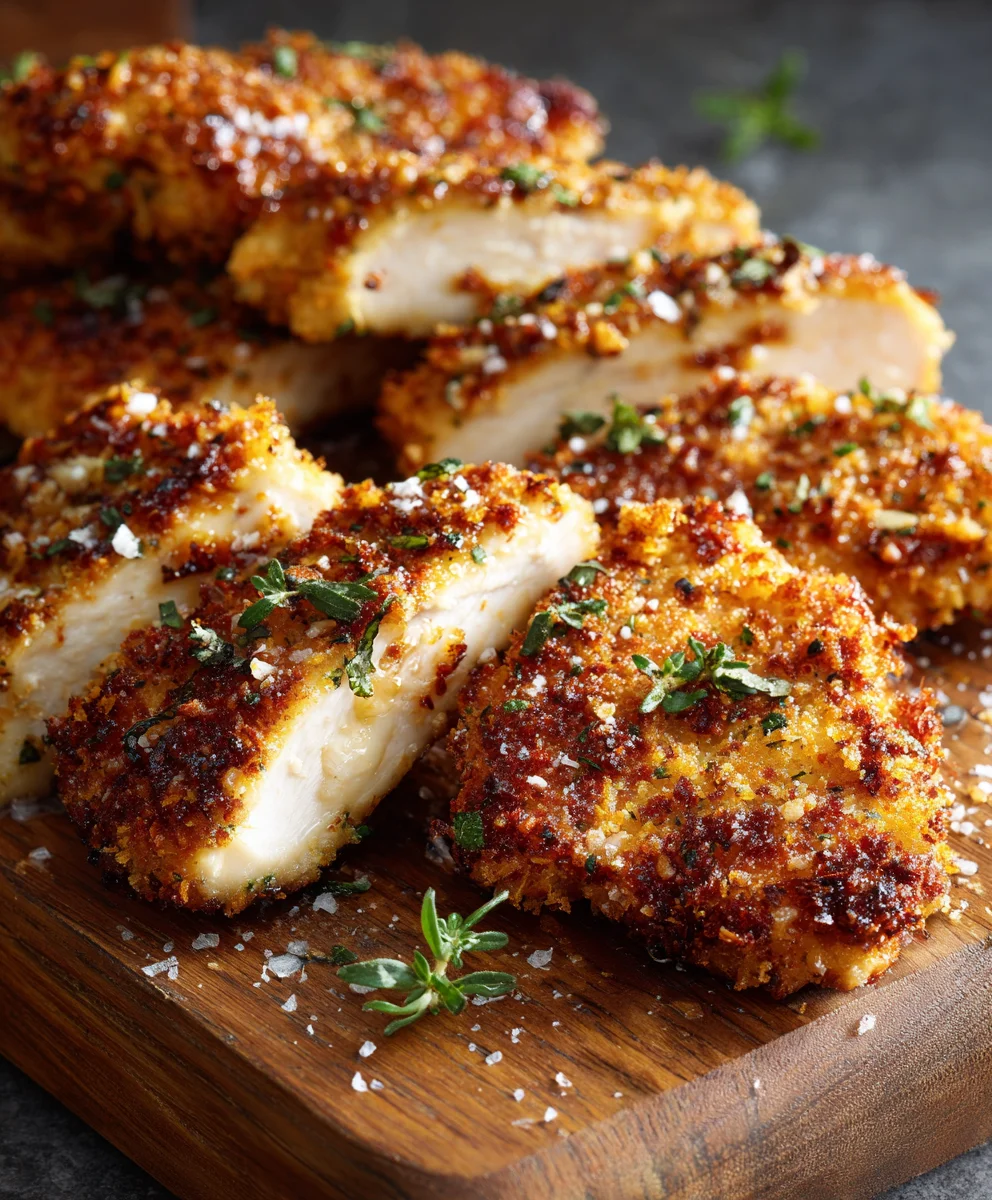
Crispy Garlic Parmesan Chicken Breasts
A quick and easy recipe for juicy chicken breasts coated in a crispy garlic-Parmesan panko crust, baked to golden perfection. Perfect for busy weeknights.
Ingredients
-
4 boneless, skinless chicken breasts (approx. 1.5 lbs)
-
2 cloves fresh garlic, minced
-
1 cup freshly grated Parmesan cheese
-
1 cup panko breadcrumbs
-
2 tsp Italian seasoning
-
1 tsp salt
-
1/2 tsp pepper
-
Olive oil spray
Instructions
-
Step 1
Preheat oven to 400°F (200°C). Lightly spray a baking sheet with olive oil spray. -
Step 2
In a shallow dish, combine Parmesan cheese, panko breadcrumbs, minced garlic, Italian seasoning, salt, and pepper. Mix well. -
Step 3
Lightly spray each chicken breast with olive oil spray. Dredge each chicken breast in the panko mixture, pressing firmly to coat evenly on all sides. -
Step 4
Place coated chicken breasts on the prepared baking sheet. Bake for 20-25 minutes, or until chicken is cooked through (internal temperature reaches 165°F/74°C) and the coating is golden brown and crispy. -
Step 5
Remove from oven and serve warm. Let rest for a few minutes before slicing.
Important Information
Nutrition Facts (Per Serving)
It is important to consider this information as approximate and not to use it as definitive health advice.
Allergy Information
Please check ingredients for potential allergens and consult a health professional if in doubt.


Leave a Comment