
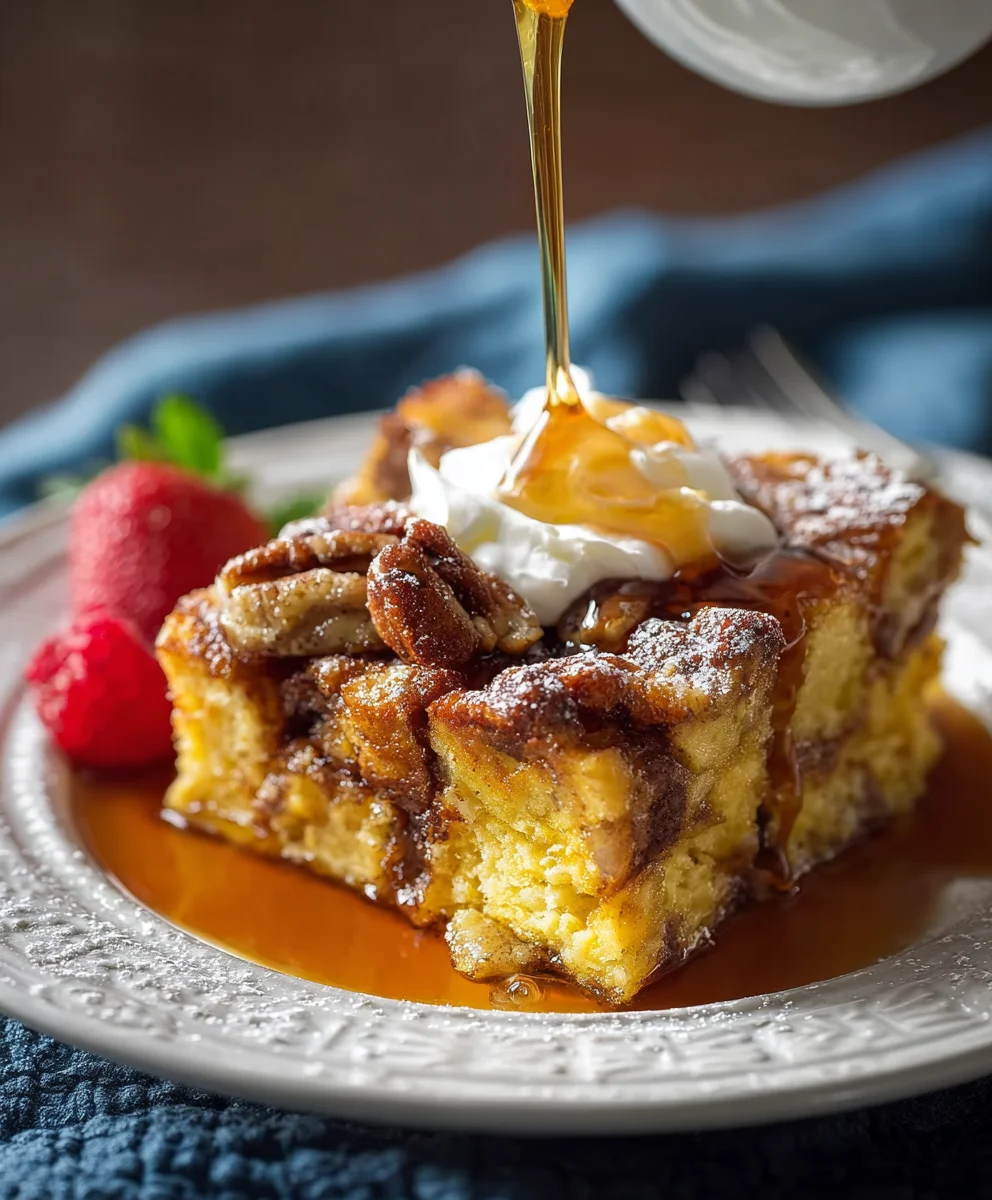
French toast casserole easy – what’s not to love? This recipe is a true breakfast game-changer, transforming a beloved classic into a stress-free, crowd-pleasing delight. Forget the fuss of individual slices; this is the ultimate lazy weekend treat that delivers all the comforting, eggy, cinnamon-spiced goodness you crave, with minimal effort. People adore french toast casserole easy because it perfectly marries indulgence with simplicity. It’s the kind of dish that smells like pure happiness filling your kitchen, beckoning everyone to the table. What makes this particular french toast casserole easy so special is its inherent versatility. Whether you’re serving a hungry family, hosting brunch guests, or simply treating yourself, this baked wonder adapts beautifully. It’s incredibly forgiving, meaning even novice cooks can achieve spectacular results, and it’s a fantastic vehicle for your favorite fruits or a sprinkle of powdered sugar. Get ready to discover your new go-to breakfast!

Ingredients:
- 1 loaf bread (about 12 slices, preferably day-old or stale.)
- 8 large eggs
- 2 cups milk
- 1 cup heavy cream
- 1/2 cup granulated sugar
- 1 tablespoon vanilla extract
- 2 teaspoons ground cinnamon
- 1/4 teaspoon salt
- 1/2 cup maple syrup (optional for serving)
- to taste powdered sugar (for dusting, optional)
Prepare the Bread
The foundation of any great french toast casserole is good bread, and for this easy recipe, day-old or slightly stale bread is your best friend. Stale bread has a firmer texture and will absorb the custard mixture without becoming completely soggy, ensuring a delightful bite. If your bread is fresh, simply leave it out on the counter for a few hours, or even overnight, to dry out. I like to cut my loaf into 1-inch cubes. This size is perfect for soaking up the eggy mixture and also provides a satisfying texture when baked. You can use a serrated knife for a clean cut, especially if the bread is on the chewier side. If you have a particularly soft bread, like brioche or challah, you might find it even easier to cube. Spread the bread cubes evenly in a single layer in your baking dish. This ensures all the pieces have a chance to soak in the delicious custard, preventing any dry spots later on. I find a 9×13 inch baking dish works wonderfully for this quantity, but you can adjust if needed. If your bread is very dense, you might want to arrange it slightly more loosely.
Whisk the Custard
Now, let’s create the rich, flavorful custard that will transform our bread into a heavenly french toast casserole. In a large mixing bowl, crack all 8 large eggs. Whisk them vigorously until the yolks and whites are completely combined and the mixture is a uniform pale yellow. Next, pour in the 2 cups of milk and the 1 cup of heavy cream. The cream adds a luxurious creaminess and richness that takes this casserole to the next level, making it incredibly decadent. Whisk these dairy components together with the eggs until they are well incorporated. Now for the sweetness and spice! Add the 1/2 cup of granulated sugar, 1 tablespoon of vanilla extract, 2 teaspoons of ground cinnamon, and 1/4 teaspoon of salt. The vanilla extract provides that classic french toast aroma and flavor, while the cinnamon brings warmth and a touch of spice that is absolutely essential. The salt, though a small amount, is crucial for balancing the sweetness and enhancing all the other flavors. Whisk everything together until the sugar is dissolved and the mixture is smooth and homogenous. Ensure there are no pockets of cinnamon or unincorporated sugar at the bottom of the bowl. This creamy, spiced custard is the heart of our easy french toast casserole.
Assemble and Soak
This is where the magic really begins to happen for our french toast casserole easy recipe. Carefully pour the prepared custard mixture evenly over the bread cubes in the baking dish. Use a spatula or a spoon to gently press down on the bread pieces, ensuring they are submerged in the custard as much as possible. Don’t worry if some pieces are floating a bit; the goal is good absorption. Once all the bread is coated, cover the baking dish tightly with plastic wrap or a lid. Now comes the crucial soaking step, which is key to achieving that perfect custardy texture. I like to let mine soak for at least 30 minutes at room temperature. However, for the absolute best results and to make it truly an easy make-ahead breakfast or brunch, I highly recommend refrigerating it overnight. This allows the bread ample time to fully absorb the custard, resulting in a moist and tender casserole with every bite. If you’re short on time, the 30-minute soak is still effective, but the overnight soak truly elevates this dish. While it soaks, the flavors meld together beautifully, making the morning prep even simpler.
Bake to Golden Perfection
When you’re ready to bake your delicious french toast casserole, preheat your oven to 350 degrees Fahrenheit (175 degrees Celsius). Remove the plastic wrap from the baking dish. If your bread was very stale or dense, you might notice it hasn’t absorbed all the liquid, which is perfectly fine. Place the uncovered baking dish into the preheated oven. Bake for approximately 35 to 45 minutes. The baking time can vary depending on your oven and the type of bread you used. You’ll know it’s done when the casserole is puffed up, golden brown on top, and a knife inserted into the center comes out clean or with just a few moist crumbs attached. The edges should be slightly set and perhaps a little crisp. During the last 10 minutes of baking, you can loosely tent it with foil if you notice the top browning too quickly, preventing it from burning while the inside finishes cooking. This ensures an evenly cooked and wonderfully baked french toast casserole.
Serve and Enjoy
Once your french toast casserole is baked to perfection, carefully remove it from the oven. Let it rest for about 5 to 10 minutes before serving. This resting period allows the casserole to set up slightly, making it easier to serve and ensuring that the delightful custardy texture doesn’t run out. While optional, I highly recommend serving it warm. Ladle generous portions onto plates. For an extra touch of sweetness and classic french toast flavor, drizzle with 1/2 cup of maple syrup (or more, to your preference). The warm syrup cascading over the fluffy casserole is an irresistible combination. If you like a bit of visual appeal and a hint of sweetness, you can also dust the top with powdered sugar just before serving. It adds a lovely snowy finish. This french toast casserole easy recipe is perfect for a leisurely weekend brunch, a special holiday breakfast, or even a comforting dessert. The combination of soft, custardy interior and golden-brown, slightly crisp exterior is simply divine. Serve it with fresh fruit or a side of bacon for a complete meal that everyone will adore.
Conclusion:
I hope you enjoyed this recipe for french toast casserole easy! It’s truly a delightful and fuss-free way to elevate your breakfast or brunch. The beauty of this dish lies in its simplicity and the incredible comfort it delivers. Whether you’re a seasoned baker or just starting in the kitchen, this recipe is designed to be approachable and rewarding. The soft, custardy interior combined with the slightly crispy edges is pure heaven.
For serving suggestions, this french toast casserole is fantastic on its own, but I love topping it with a dollop of whipped cream and a sprinkle of fresh berries for a vibrant contrast. A drizzle of maple syrup is, of course, non-negotiable! If you’re feeling adventurous, try adding a pinch of cinnamon or nutmeg to the bread mixture for an extra layer of warmth. You can also swap out the type of bread; challah or brioche bread will offer an even richer, more decadent result. Don’t be afraid to experiment with adding chocolate chips or a swirl of fruit compote. This recipe is a fantastic base for your own creative culinary twists. So, go ahead and give it a try – I’m confident you’ll fall in love with how easy and delicious french toast casserole can be!
Frequently Asked Questions:
Can I make this french toast casserole ahead of time?
Absolutely! This is one of the best features of this recipe. You can assemble the entire casserole the night before, cover it tightly, and refrigerate. In the morning, just pull it out of the fridge while your oven preheats, and bake as directed. You might need to add a few extra minutes to the baking time since it will be cold.
What kind of bread is best for french toast casserole?
While this recipe is forgiving with most bread types, slightly stale or day-old bread works best as it absorbs the custard mixture without becoming too mushy. Thick-cut challah, brioche, or even a hearty white bread are excellent choices for a rich and satisfying french toast casserole easy experience.
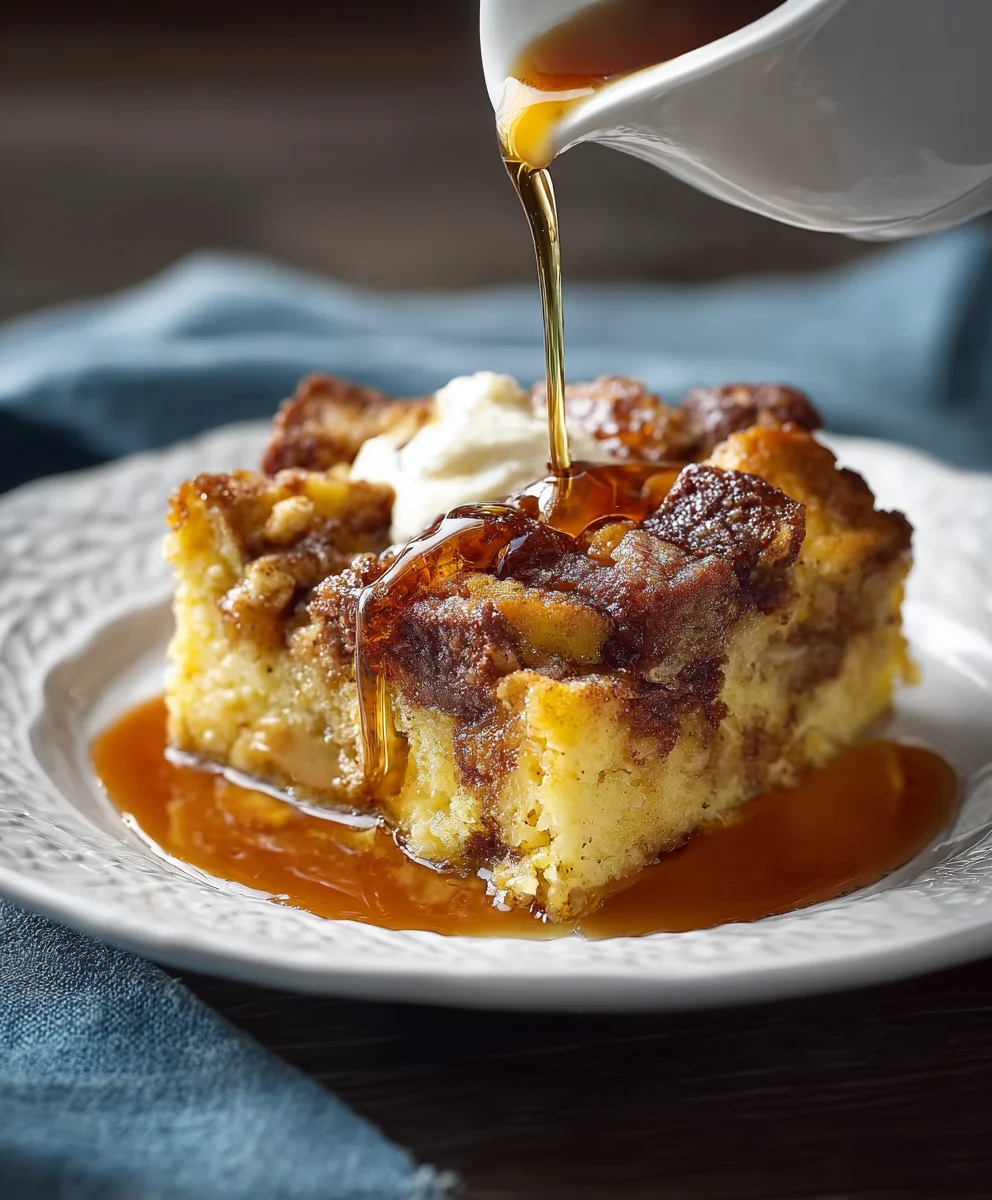
Easy French Toast Casserole-Weeknight Winner
A simple and delicious French toast casserole perfect for breakfast, brunch, or even dessert. Made with day-old bread and a rich custard, it’s a crowd-pleaser that’s easy to prepare.
Ingredients
-
1 loaf bread (about 12 slices, preferably day-old or stale)
-
8 large eggs
-
2 cups milk
-
1 cup heavy cream
-
1/2 cup granulated sugar
-
1 tablespoon vanilla extract
-
2 teaspoons ground cinnamon
-
1/4 teaspoon salt
-
1/2 cup maple syrup (optional for serving)
-
powdered sugar (for dusting, optional)
Instructions
-
Step 1
Prepare the bread by cubing it into 1-inch pieces and spreading evenly in a 9×13 inch baking dish. -
Step 2
Whisk together eggs, milk, heavy cream, granulated sugar, vanilla extract, ground cinnamon, and salt in a large bowl until smooth. -
Step 3
Pour the custard mixture evenly over the bread cubes, gently pressing to submerge. Cover and let soak for at least 30 minutes at room temperature, or preferably overnight in the refrigerator. -
Step 4
Preheat oven to 350°F (175°C). Bake the casserole uncovered for 35-45 minutes, or until puffed up, golden brown, and a knife inserted into the center comes out clean. -
Step 5
Let the casserole rest for 5-10 minutes before serving. Drizzle with maple syrup and dust with powdered sugar, if desired.
Important Information
Nutrition Facts (Per Serving)
It is important to consider this information as approximate and not to use it as definitive health advice.
Allergy Information
Please check ingredients for potential allergens and consult a health professional if in doubt.

Leave a Comment