

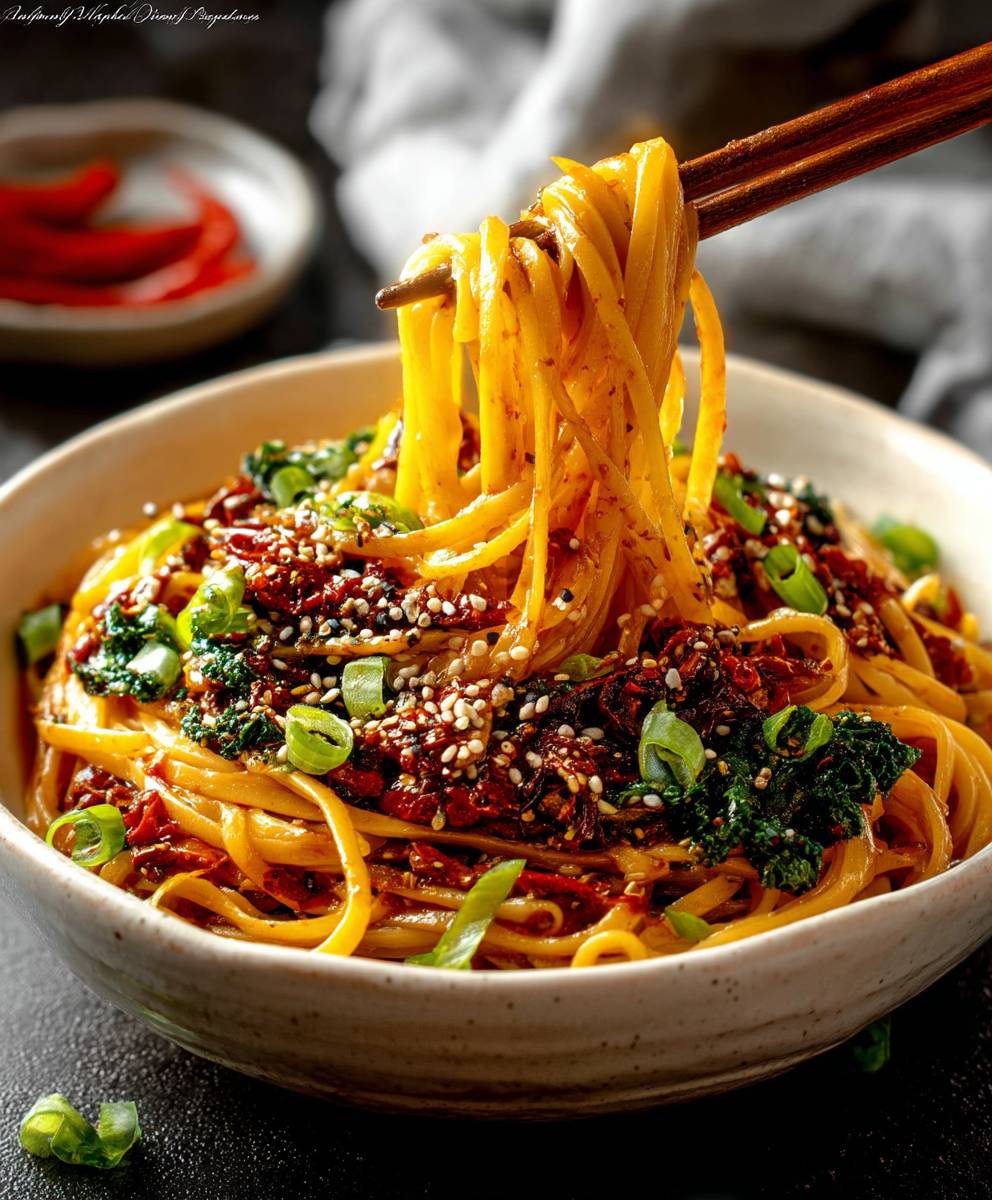
Szechuan Noodles: Prepare to embark on a culinary adventure that will ignite your taste buds! Have you ever craved a dish that’s both comforting and exhilarating, a symphony of flavors that dance on your palate? Look no further, because this recipe for authentic Szechuan Noodles is exactly what you need.
These noodles aren’t just a meal; they’re a cultural experience steeped in history. Originating from the Sichuan province of China, known for its bold and spicy cuisine, Szechuan Noodles have been enjoyed for centuries. The region’s unique climate and geography have gifted it with an array of distinctive ingredients, including the famed Sichuan peppercorns that lend their signature numbing and tingling sensation to the dish.
What makes Szechuan Noodles so irresistible? It’s the perfect balance of textures and tastes. The chewy noodles, often thick and hand-pulled, are coated in a rich, savory sauce that’s both spicy and aromatic. The combination of chili oil, soy sauce, sesame paste, and those unforgettable Sichuan peppercorns creates an explosion of flavor that’s simply addictive. Whether you’re looking for a quick and satisfying weeknight dinner or a dish to impress your friends and family, these noodles are guaranteed to be a hit. Get ready to experience the authentic taste of Sichuan in your own kitchen!

Ingredients:
- For the Noodles:
- 1 pound dried Asian wheat noodles (such as lo mein or ramen-style noodles)
- Water for boiling
- 1 tablespoon sesame oil
- For the Szechuan Sauce:
- 3 tablespoons vegetable oil
- 2-3 dried red chilies, deseeded and chopped (adjust to your spice preference)
- 1 tablespoon Szechuan peppercorns
- 4 cloves garlic, minced
- 1 inch ginger, peeled and minced
- 2 tablespoons Doubanjiang (fermented broad bean paste)
- 2 tablespoons soy sauce
- 1 tablespoon dark soy sauce
- 1 tablespoon Chinese rice wine (Shaoxing wine)
- 1 tablespoon Chinkiang vinegar (black vinegar)
- 1 teaspoon sugar
- 1/2 cup chicken broth or vegetable broth
- 1 tablespoon cornstarch mixed with 2 tablespoons cold water (slurry)
- For the Toppings (Optional but Recommended):
- 1/2 cup roasted peanuts, chopped
- 1/4 cup scallions, thinly sliced
- 1/4 cup cilantro, chopped
- 2 tablespoons sesame seeds
- Chili oil (for extra heat)
- Ground pork or shredded chicken (for added protein)
- Blanched vegetables (such as bok choy or spinach)
Preparing the Noodles:
- Boil the Noodles: Bring a large pot of water to a rolling boil. Add the dried noodles and cook according to the package directions, usually about 6-8 minutes, or until al dente. Be careful not to overcook them, as they will become mushy.
- Drain and Rinse: Once the noodles are cooked, drain them immediately in a colander. Rinse them thoroughly with cold water to stop the cooking process and remove excess starch. This will prevent them from sticking together.
- Toss with Sesame Oil: Transfer the drained noodles to a large bowl. Add 1 tablespoon of sesame oil and toss well to coat. This will keep the noodles from sticking and add a subtle nutty flavor. Set aside while you prepare the sauce.
Making the Szechuan Sauce:
- Infuse the Oil: Heat 3 tablespoons of vegetable oil in a wok or large skillet over medium heat. Add the dried red chilies and Szechuan peppercorns. Cook for about 1-2 minutes, or until the chilies turn slightly darker and the peppercorns become fragrant. Be careful not to burn them, as this will make the sauce bitter.
- Add Aromatics: Add the minced garlic and ginger to the wok. Cook for about 30 seconds, or until fragrant, stirring constantly to prevent burning.
- Incorporate Doubanjiang: Add the Doubanjiang (fermented broad bean paste) to the wok. Cook for about 1 minute, stirring constantly, to release its flavor. This is a key ingredient for authentic Szechuan flavor, so don’t skip it!
- Add Liquid Ingredients: Pour in the soy sauce, dark soy sauce, Chinese rice wine, and Chinkiang vinegar. Stir well to combine all the ingredients.
- Sweeten and Thicken: Add the sugar to balance the flavors. Then, pour in the chicken broth or vegetable broth. Bring the sauce to a simmer.
- Thicken the Sauce: Stir the cornstarch slurry (cornstarch mixed with cold water) and pour it into the simmering sauce. Stir constantly until the sauce thickens to your desired consistency. This usually takes about 1-2 minutes. If you prefer a thinner sauce, use less cornstarch.
- Taste and Adjust: Taste the sauce and adjust the seasoning as needed. You may want to add more soy sauce for saltiness, vinegar for tanginess, sugar for sweetness, or chili oil for extra heat. Remember that the flavors will intensify as the sauce sits.
Assembling the Szechuan Noodles:
- Combine Noodles and Sauce: Pour the Szechuan sauce over the prepared noodles in the large bowl. Toss well to ensure that the noodles are evenly coated with the sauce.
- Add Toppings: Add your desired toppings, such as chopped roasted peanuts, thinly sliced scallions, chopped cilantro, and sesame seeds. If you’re using ground pork or shredded chicken, add it now as well.
- Serve Immediately: Serve the Szechuan noodles immediately while they are still warm. You can drizzle with chili oil for extra heat, if desired.
Tips and Variations:
- Spice Level: Adjust the amount of dried red chilies and chili oil to your preferred spice level. If you’re sensitive to heat, start with a small amount and add more as needed.
- Noodle Type: While lo mein or ramen-style noodles are traditionally used, you can also use other types of Asian noodles, such as udon or even spaghetti. Just be sure to cook them al dente.
- Vegetarian Option: To make this dish vegetarian, use vegetable broth instead of chicken broth. You can also add tofu or other vegetarian protein sources.
- Protein Additions: Feel free to add other protein sources, such as shrimp, beef, or tofu. Just cook them separately and add them to the noodles along with the sauce.
- Vegetable Additions: Add blanched vegetables, such as bok choy, spinach, or bean sprouts, for added nutrients and texture.
- Make Ahead: The Szechuan sauce can be made ahead of time and stored in the refrigerator for up to 3 days. Just reheat it before adding it to the noodles. The noodles are best served fresh, but you can cook them ahead of time and toss them with sesame oil to prevent sticking.
- Szechuan Peppercorns: Don’t skip the Szechuan peppercorns! They provide a unique numbing sensation that is characteristic of Szechuan cuisine. You can find them at most Asian grocery stores or online. Toasting them lightly before grinding can enhance their flavor.
- Doubanjiang Substitute: If you can’t find Doubanjiang, you can substitute it with a mixture of chili garlic sauce and miso paste. However, the flavor will not be exactly the same.
- Dark Soy Sauce: Dark soy sauce is used primarily for color. If you don’t have it, you can use regular soy sauce, but the noodles will be slightly lighter in color.
Enjoy your homemade Szechuan Noodles! I hope you find this recipe easy to follow and delicious. Let me know in the comments if you have any questions or suggestions. Happy cooking!
Conclusion:
And there you have it! This isn’t just another noodle dish; it’s a flavor explosion waiting to happen. I truly believe this Szechuan Noodles recipe is a must-try for anyone who loves bold, spicy, and utterly satisfying food. The combination of the tingling Szechuan peppercorns, the savory sauce, and the perfectly cooked noodles creates a symphony of textures and tastes that will leave you craving more.
But why is this recipe so special? It’s the balance. The heat is there, definitely, but it’s not just about burning your mouth. It’s about a complex, nuanced spiciness that dances on your tongue, complemented by the umami richness of the soy sauce and the subtle sweetness of the sugar. It’s a dish that engages all your senses and leaves you feeling completely satisfied.
Plus, it’s incredibly versatile! Looking for serving suggestions? I love serving these noodles as a main course with a side of steamed bok choy or a refreshing cucumber salad. They’re also fantastic as a side dish to grilled chicken or fish. And if you’re feeling adventurous, why not try adding some protein directly into the noodles? Crispy tofu, shredded chicken, or even ground pork would be delicious additions.
Here are a few variations to get your creative juices flowing:
Spice It Up (or Down):
If you’re a true spice fiend, feel free to add more chili oil or a pinch of dried chili flakes. If you’re a little more sensitive to heat, reduce the amount of chili oil or remove the seeds from the chili flakes before adding them.
Veggie Power:
Toss in some stir-fried vegetables like bell peppers, mushrooms, or snap peas for added nutrients and texture.
Peanut Butter Boost:
For a creamier, richer sauce, add a tablespoon or two of peanut butter. This will also add a nutty flavor that complements the Szechuan peppercorns beautifully.
Sesame Seed Sensation:
Garnish with a generous sprinkle of toasted sesame seeds for added flavor and visual appeal.
I’ve poured my heart into perfecting this recipe, and I’m confident that you’ll love it as much as I do. It’s quick, easy, and packed with flavor the perfect weeknight meal. But don’t just take my word for it!
I wholeheartedly encourage you to give this Szechuan Noodles recipe a try. I promise you won’t be disappointed. And more importantly, I want to hear about your experience! Did you make any modifications? Did you add any special ingredients? What did your family and friends think?
Please, come back and leave a comment below sharing your thoughts and any tips or tricks you discovered along the way. Your feedback is invaluable, and it helps me continue to improve and create even more delicious recipes for you to enjoy. So go ahead, get cooking, and let me know what you think! Happy cooking! I can’t wait to hear all about your Szechuan noodle adventures!
Szechuan Noodles: The Ultimate Guide to Spicy, Flavorful Noodles
Spicy and flavorful Szechuan noodles with a numbing kick from Szechuan peppercorns, tossed in a rich sauce and topped with crunchy peanuts, scallions, and cilantro.
Ingredients
- 1 pound dried Asian wheat noodles (such as lo mein or ramen-style noodles)
- Water for boiling
- 1 tablespoon sesame oil
- 3 tablespoons vegetable oil
- 2-3 dried red chilies, deseeded and chopped (adjust to your spice preference)
- 1 tablespoon Szechuan peppercorns
- 4 cloves garlic, minced
- 1 inch ginger, peeled and minced
- 2 tablespoons Doubanjiang (fermented broad bean paste)
- 2 tablespoons soy sauce
- 1 tablespoon dark soy sauce
- 1 tablespoon Chinese rice wine (Shaoxing wine)
- 1 tablespoon Chinkiang vinegar (black vinegar)
- 1 teaspoon sugar
- 1/2 cup chicken broth or vegetable broth
- 1 tablespoon cornstarch mixed with 2 tablespoons cold water (slurry)
- 1/2 cup roasted peanuts, chopped
- 1/4 cup scallions, thinly sliced
- 1/4 cup cilantro, chopped
- 2 tablespoons sesame seeds
- Chili oil (for extra heat)
- Ground pork or shredded chicken (for added protein)
- Blanched vegetables (such as bok choy or spinach)
Instructions
- Bring a large pot of water to a rolling boil. Add the dried noodles and cook according to the package directions, usually about 6-8 minutes, or until al dente. Be careful not to overcook them, as they will become mushy.
- Once the noodles are cooked, drain them immediately in a colander. Rinse them thoroughly with cold water to stop the cooking process and remove excess starch. This will prevent them from sticking together.
- Transfer the drained noodles to a large bowl. Add 1 tablespoon of sesame oil and toss well to coat. This will keep the noodles from sticking and add a subtle nutty flavor. Set aside while you prepare the sauce.
- Heat 3 tablespoons of vegetable oil in a wok or large skillet over medium heat. Add the dried red chilies and Szechuan peppercorns. Cook for about 1-2 minutes, or until the chilies turn slightly darker and the peppercorns become fragrant. Be careful not to burn them, as this will make the sauce bitter.
- Add the minced garlic and ginger to the wok. Cook for about 30 seconds, or until fragrant, stirring constantly to prevent burning.
- Add the Doubanjiang (fermented broad bean paste) to the wok. Cook for about 1 minute, stirring constantly, to release its flavor. This is a key ingredient for authentic Szechuan flavor, so don’t skip it!
- Pour in the soy sauce, dark soy sauce, Chinese rice wine, and Chinkiang vinegar. Stir well to combine all the ingredients.
- Add the sugar to balance the flavors. Then, pour in the chicken broth or vegetable broth. Bring the sauce to a simmer.
- Stir the cornstarch slurry (cornstarch mixed with cold water) and pour it into the simmering sauce. Stir constantly until the sauce thickens to your desired consistency. This usually takes about 1-2 minutes. If you prefer a thinner sauce, use less cornstarch.
- Taste the sauce and adjust the seasoning as needed. You may want to add more soy sauce for saltiness, vinegar for tanginess, sugar for sweetness, or chili oil for extra heat. Remember that the flavors will intensify as the sauce sits.
- Pour the Szechuan sauce over the prepared noodles in the large bowl. Toss well to ensure that the noodles are evenly coated with the sauce.
- Add your desired toppings, such as chopped roasted peanuts, thinly sliced scallions, chopped cilantro, and sesame seeds. If you’re using ground pork or shredded chicken, add it now as well.
- Serve the Szechuan noodles immediately while they are still warm. You can drizzle with chili oil for extra heat, if desired.
Notes
- Spice Level: Adjust the amount of dried red chilies and chili oil to your preferred spice level. If you’re sensitive to heat, start with a small amount and add more as needed.
- Noodle Type: While lo mein or ramen-style noodles are traditionally used, you can also use other types of Asian noodles, such as udon or even spaghetti. Just be sure to cook them al dente.
- Vegetarian Option: To make this dish vegetarian, use vegetable broth instead of chicken broth. You can also add tofu or other vegetarian protein sources.
- Protein Additions: Feel free to add other protein sources, such as shrimp, beef, or tofu. Just cook them separately and add them to the noodles along with the sauce.
- Vegetable Additions: Add blanched vegetables, such as bok choy, spinach, or bean sprouts, for added nutrients and texture.
- Make Ahead: The Szechuan sauce can be made ahead of time and stored in the refrigerator for up to 3 days. Just reheat it before adding it to the noodles. The noodles are best served fresh, but you can cook them ahead of time and toss them with sesame oil to prevent sticking.
- Szechuan Peppercorns: Don’t skip the Szechuan peppercorns! They provide a unique numbing sensation that is characteristic of Szechuan cuisine. You can find them at most Asian grocery stores or online. Toasting them lightly before grinding can enhance their flavor.
- Doubanjiang Substitute: If you can’t find Doubanjiang, you can substitute it with a mixture of chili garlic sauce and miso paste. However, the flavor will not be exactly the same.
- Dark Soy Sauce: Dark soy sauce is used primarily for color. If you don’t have it, you can use regular soy sauce, but the noodles will be slightly lighter in color.

Leave a Comment