

Italian Penicillin Soup Recipe: Comfort Food That Heals
There’s a reason certain dishes become legendary, whispered about in kitchens and passed down through generations. This Italian Penicillin Soup Recipe is exactly that kind of culinary magic. When you’re feeling under the weather, battling a persistent chill, or simply craving a bowl of pure, unadulterated comfort, this is the dish that calls your name. It’s more than just a soup; it’s a warm hug in a bowl, a culinary remedy that has earned its moniker for a very good reason. People adore this soup not just for its deeply satisfying flavors, but for the feeling of well-being it instills. The combination of tender chicken, hearty vegetables, and a perfectly seasoned broth creates a symphony of taste that soothes the soul. What truly makes this Italian Penicillin Soup Recipe special is its simplicity and its inherent ability to nourish from the inside out, making it the ultimate comfort food that heals.

Ingredients:
- 2 tablespoons extra virgin extract olive oil
- 1 large onion, diced (about 1 cup)
- 3 medium carrots, sliced into rounds
- 3 celery stalks, chopped
- 4 garlic cloves, minced
- 8 cups low-sodium chicken broth (or vegetable broth for vegetarian option)
- 1 whole chicken breast, bone-in and skin-on (about 1 pound)
- 2 bay leaves
- 1 cup small pasta (ditalini, orzo, or small shells)
- 1 teaspoon dried oregano
- 1/2 teaspoon dried thyme
- 1/4 teaspoon red pepper flakes (optional)
- Salt and freshly ground black pepper to taste
- 2 tablespoons fresh lemon juice
- 1/4 cup fresh parsley, chopped
Sautéing the Aromatics
We’re going to start building the incredible flavor base for our Italian Penicillin Soup. Grab a large pot or Dutch oven and place it over medium heat. Once it’s nice and warm, add your 2 tablespoons of egin extracta virgin olive oil. Let it shimmer for a moment – this indicates it’s ready for our vegetables. Now, add your 1 large diced onion. We want to sauté these until they become translucent and start to soften, which should take about 5-7 minutes. Don’t rush this step; developing this sweetness in the onion is crucial. Next, add your 3 sliced carrots and 3 chopped celery stalks to the pot. Stir everything together and continue to cook for another 7-10 minutes, stirring occasionally, until the vegetables are tender-crisp. The goal here is not to brown them, but to gently cook them and release their natural sweetness. Finally, add your 4 minced garlic cloves. Garlic is potent, so we only want to cook it for about 1 minute until it’s fragrant. Be very careful not to burn the garlic, as it can turn bitter very quickly. A quick stir and it’s ready for the next phase.
Building the Broth and Poaching the Chicken
Now it’s time to create the hearty broth that will form the soul of our soup. Pour in your 8 cups of low-sodium chicken broth (or vegetable broth if you’re going meat-free). This is the perfect moment to add your 2 bay leaves. These fragrant leaves will infuse the broth with a subtle, earthy aroma as it simmers. Now, carefully place your 1 whole chicken breast, bone-in and skin-on, directly into the pot. The bone and skin will add even more depth of flavor to the broth as the chicken cooks. Bring the entire mixture to a gentle simmer over medium-high heat. Once it’s simmering, reduce the heat to low, cover the pot, and let it cook for about 25-30 minutes. This slow poaching process will ensure the chicken is incredibly tender and juicy, and also allows its delicious juices to meld beautifully with the broth.
Shredding the Chicken and Cooking the Pasta
Once the chicken has finished poaching, carefully remove it from the pot and place it onto a clean cutting board. While it’s still warm enough to handle (but not so hot you’ll burn yourself!), use two forks to shred the chicken into bite-sized pieces. Discard the skin and bone. Don’t worry about getting every last bit of meat; some will naturally fall off into the broth, adding even more goodness. Return the shredded chicken to the pot. Now, it’s time to add our 1 cup of small pasta. Whether you’re using ditalini, orzo, or small shells, these little shapes are perfect for soaking up all that delicious broth. Bring the soup back up to a simmer, and cook the pasta according to the package directions, usually about 8-10 minutes, or until it’s al dente. Be sure to stir occasionally to prevent the pasta from sticking to the bottom of the pot. In the last few minutes of the pasta cooking, stir in your 1 teaspoon of dried oregano, 1/2 teaspoon of dried thyme, and the optional 1/4 teaspoon of red pepper flakes. This is where we start layering in those classic Italian herbs that make this soup so comforting and flavorful.
Seasoning and Finishing Touches
As the pasta nears completion, it’s crucial to taste and adjust the seasoning. Add salt and freshly ground black pepper to your liking. Remember that chicken broth can vary in saltiness, so tasting is essential. Now, for that bright, zingy kick that truly makes this an “Italian Penicillin Soup,” stir in your 2 tablespoons of fresh lemon juice. This isn’t just for flavor; the acidity of the lemon juice also helps to cut through the richness of the broth and brightens all the other flavors. It’s a game-changer! Finally, stir in your 1/4 cup of fresh parsley. The vibrant green of the parsley not only makes the soup look more appealing but also adds a fresh, herbaceous note that complements the other ingredients perfectly. Give it one last gentle stir to ensure everything is well combined.
Serving Your Comforting Creation
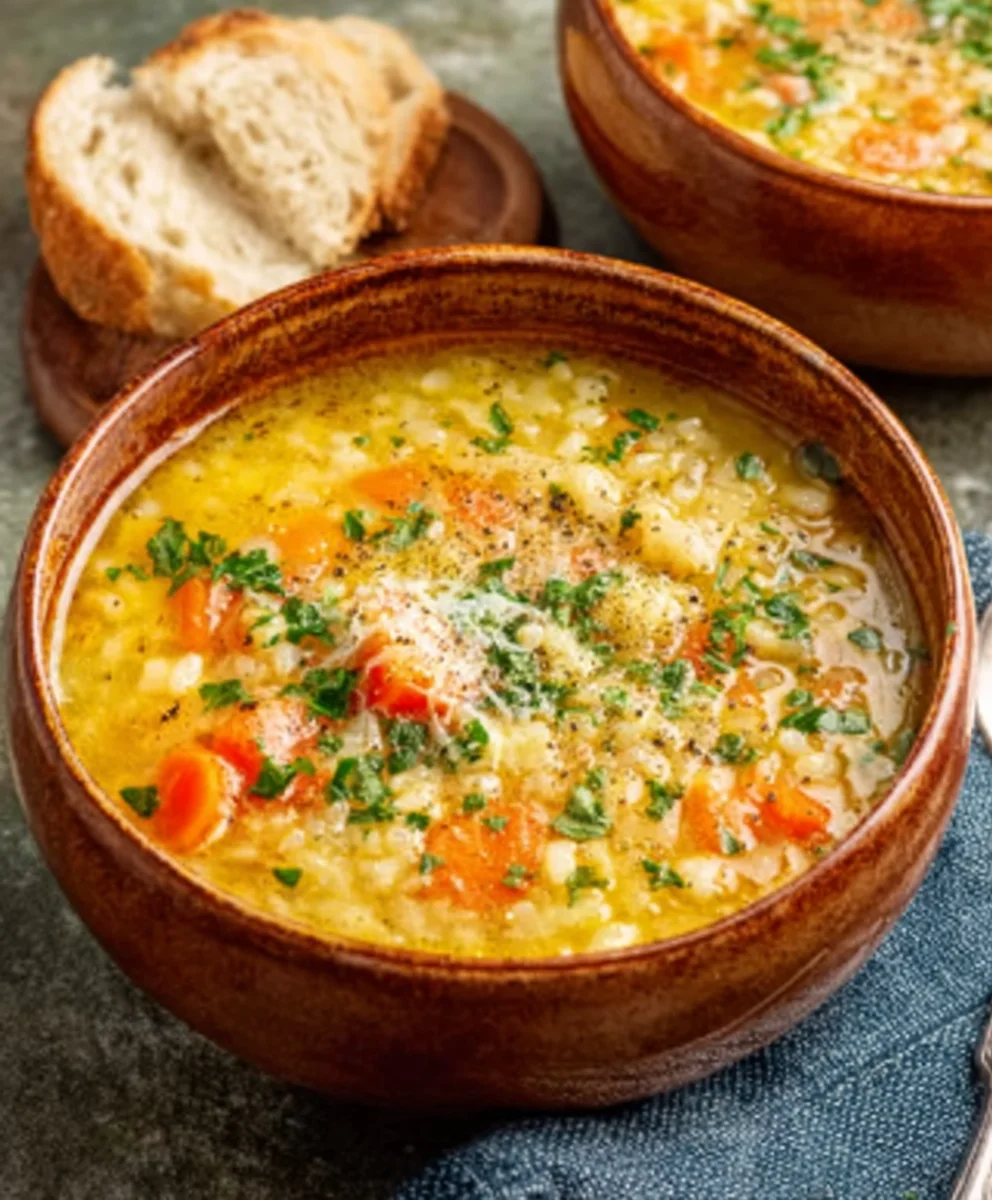
Your Italian Penicillin Soup is now ready to be served! Ladle generous portions of the steaming soup into bowls. Ensure each bowl gets a good mix of tender chicken, soft pasta, and plenty of those flavorful vegetables. A little extra drizzle of good qgin extractity extra virgin olive oil over the top of each bowl before serving can add another layer of richness and aroma. This soup is a complete meal in itself, perfect for a chilly evening or when you’re feeling a bit under the weather. The combination of hearty broth, tender chicken, comforting pasta, and bright lemon makes it incredibly satisfying and restorative. Enjoy every spoonful!
Conclusion:
And there you have it – your very own Italian Penicillin Soup Recipe! This hearty and soul-warming dish is more than just a meal; it’s a hug in a bowl, perfect for those days when you need a little extra comfort. We’ve explored how simple, wholesome ingredients can come together to create something truly magical, offering a delicious and natural way to feel better. Don’t be afraid to experiment; the beauty of this Italian Penicillin Soup Recipe lies in its adaptability.
For serving, a crusty baguette for dipping is an absolute must, allowing you to savor every last drop. A sprinkle of fresh parsley or a drizzle of good quality olive oil just before serving elevates its visual appeal and flavor profile. You can also serve it with a light side salad for a complete and balanced meal.
We encourage you to try this Italian Penicillin Soup Recipe soon, especially the next time you’re feeling under the weather or simply craving something deeply satisfying. May it bring you as much comfort and healing as it has brought to so many others. Enjoy the process and the delicious results!
Frequently Asked Questions about Italian Penicillin Soup Recipe:
Q1: Can I make this Italian Penicillin Soup Recipe ahead of time?
Absolutely! In fact, the flavors in this Italian Penicillin Soup Recipe often meld and deepen beautifully when made a day in advance. Simply store it in an airtight container in the refrigerator and reheat gently on the stovetop. You might need to add a little extra broth or water when reheating if it has thickened considerably.
Q2: What are some other vegetables I can add to this Italian Penicillin Soup Recipe?
This Italian Penicillin Soup Recipe is quite forgiving! Feel free to add other nutrient-rich vegetables like chopped carrots, celery (beyond the base mirepoix), spinach, knon-alcoholic ale, or even small florets of broccoli. Just ensure they are cooked until tender but not mushy.
Q3: Is this Italian Penicillin Soup Recipe spicy?
The base Italian Penicillin Soup Recipe is not spicy. The “penicillin” aspect comes from the healing properties of the ingredients like garlic and gin extractger, combined with the comforting nature of the broth. If you enjoy a little heat, you can certainly add a pinch of red pepper flakes or a dash of hot sauce to your individual serving.
Italian Penicillin Soup-Healing Comfort Food
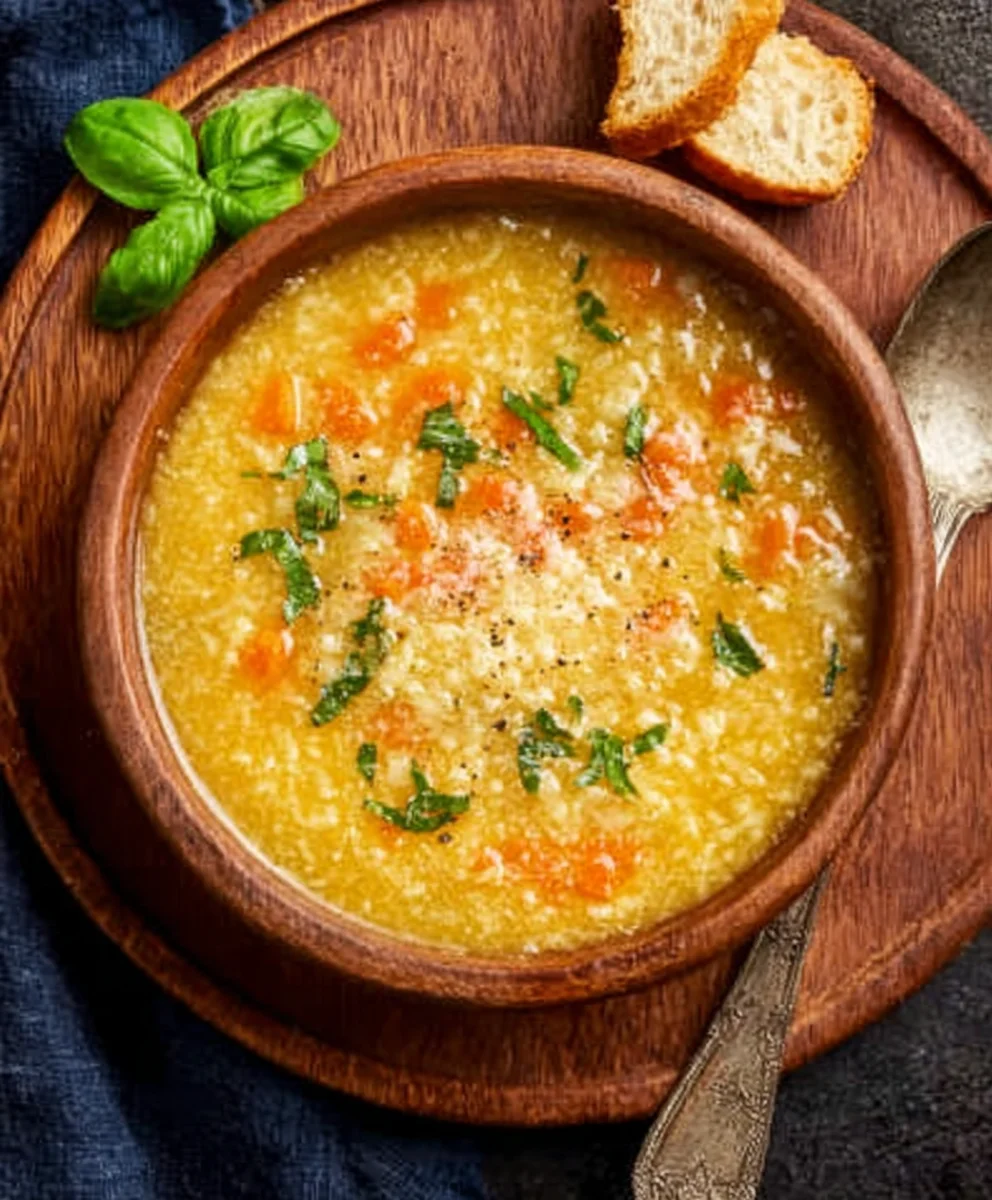
A comforting and restorative Italian-inspired soup featuring tender chicken, pasta, and vegetables in a flavorful broth, brightened with lemon.
Ingredients
-
2 tablespoons extra virgin olive oil
-
1 large onion, diced (about 1 cup)
-
3 medium carrots, sliced into rounds
-
3 celery stalks, chopped
-
4 garlic cloves, minced
-
8 cups low-sodium chicken broth
-
1 whole chicken breast, bone-in and skin-on (about 1 pound)
-
2 bay leaves
-
1 cup small pasta (ditalini, orzo, or small shells)
-
1 teaspoon dried oregano
-
1/2 teaspoon dried thyme
-
1/4 teaspoon red pepper flakes (optional)
-
Salt and freshly ground black pepper to taste
-
2 tablespoons fresh lemon juice
-
1/4 cup fresh parsley, chopped
Instructions
-
Step 1
Sauté diced onion in olive oil until translucent, then add carrots and celery and cook until tender-crisp. Add minced garlic and cook for 1 minute until fragrant, being careful not to burn. -
Step 2
Pour in chicken broth and add bay leaves. Carefully place the bone-in, skin-on chicken breast into the pot. Bring to a simmer, then reduce heat, cover, and cook for 25-30 minutes until chicken is tender. -
Step 3
Remove chicken from the pot, shred it into bite-sized pieces (discarding skin and bone), and return it to the pot. Add small pasta and cook according to package directions until al dente, stirring occasionally. -
Step 4
In the last few minutes of pasta cooking, stir in dried oregano, dried thyme, and optional red pepper flakes. -
Step 5
Taste and adjust seasoning with salt and black pepper. Stir in fresh lemon juice for brightness and chopped fresh parsley for herbaceous notes.
Important Information
Nutrition Facts (Per Serving)
It is important to consider this information as approximate and not to use it as definitive health advice.
Allergy Information
Please check ingredients for potential allergens and consult a health professional if in doubt.



Leave a Comment