

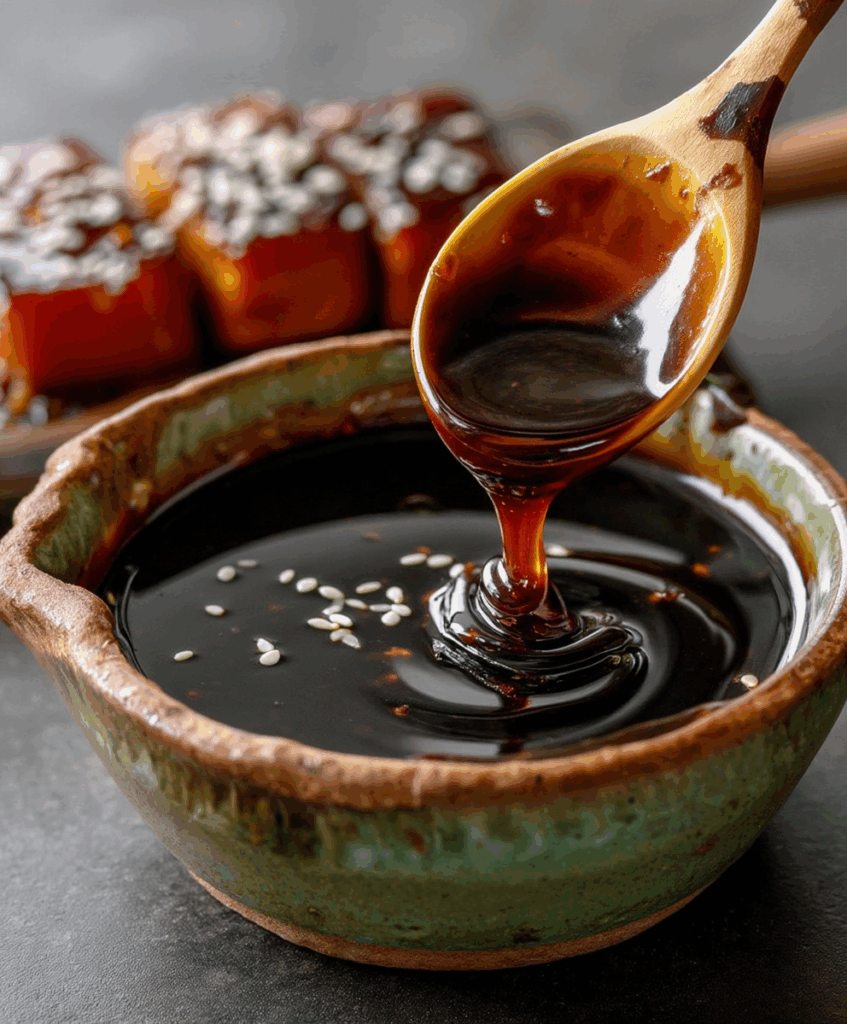
Homemade Teriyaki Sauce: the secret weapon to unlocking restaurant-quality Asian cuisine in your very own kitchen! Forget those overly sweet, gloopy bottled sauces we’re about to embark on a culinary adventure that will transform your weeknight dinners. Have you ever wondered how your favorite Japanese restaurants achieve that perfect balance of sweet, savory, and umami in their teriyaki dishes? The answer, my friend, lies in crafting your own sauce from scratch.
Teriyaki, derived from the Japanese words “teri” (luster) and “yaki” (to grill or broil), has a rich history rooted in Japanese culinary tradition. It’s a technique that dates back centuries, originally used to preserve and enhance the flavor of fish. Over time, it evolved into the beloved marinade and glaze we know today, gracing everything from chicken and beef to tofu and vegetables.
But what makes teriyaki so universally appealing? It’s the irresistible combination of flavors, of course! The sweetness from the sugar or mirin beautifully complements the salty soy sauce, while ginger and garlic add a subtle warmth and depth. People adore teriyaki for its versatility, its ability to create a sticky, caramelized glaze, and its sheer deliciousness. Plus, making homemade teriyaki sauce is surprisingly easy and allows you to customize the flavors to your exact liking. Get ready to ditch the store-bought stuff and experience the true magic of teriyaki!

Ingredients:
- 1/2 cup soy sauce (low sodium preferred)
- 1/4 cup sake (or dry sherry as a substitute)
- 1/4 cup mirin (sweet rice wine)
- 2 tablespoons brown sugar, packed
- 1 tablespoon honey
- 1 tablespoon grated fresh ginger
- 2 cloves garlic, minced
- 1 teaspoon sesame oil
- 1/2 teaspoon cornstarch (for thickening)
- 1 tablespoon cold water (for cornstarch slurry)
- Optional: 1/4 teaspoon red pepper flakes (for a little heat)
Making the Teriyaki Sauce: Step-by-Step
- Combine the Base Ingredients: In a medium saucepan, whisk together the soy sauce, sake (or sherry), and mirin. This trio forms the foundation of our teriyaki sauce, providing that classic umami and slightly sweet flavor profile. Make sure everything is well combined before moving on to the next step.
- Add Sweeteners and Aromatics: Now, add the brown sugar and honey to the saucepan. These sweeteners not only contribute to the overall sweetness but also help create that beautiful, glossy sheen we associate with teriyaki sauce. Next, incorporate the grated ginger and minced garlic. Fresh ginger and garlic are crucial for adding depth and complexity to the sauce. Don’t skimp on these! The aroma alone will make your kitchen smell amazing.
- Simmer the Sauce: Place the saucepan over medium heat. Bring the mixture to a gentle simmer, stirring occasionally to ensure the brown sugar and honey dissolve completely. Once simmering, reduce the heat to low and continue to simmer for about 10-15 minutes, or until the sauce has slightly thickened. Keep an eye on it, stirring occasionally, to prevent it from sticking to the bottom of the pan. This simmering process allows the flavors to meld together beautifully.
- Prepare the Cornstarch Slurry: While the sauce is simmering, prepare the cornstarch slurry. In a small bowl, whisk together the cornstarch and cold water until smooth. This slurry will act as our thickening agent, giving the teriyaki sauce that perfect consistency. It’s important to use cold water to prevent the cornstarch from clumping.
- Thicken the Sauce: Slowly pour the cornstarch slurry into the simmering sauce, whisking constantly to prevent lumps from forming. Continue to simmer for another 1-2 minutes, or until the sauce has thickened to your desired consistency. Remember, the sauce will thicken further as it cools, so don’t over-thicken it at this stage.
- Add Sesame Oil and Optional Red Pepper Flakes: Remove the saucepan from the heat and stir in the sesame oil. Sesame oil adds a nutty aroma and flavor that complements the other ingredients perfectly. If you like a little heat, add the red pepper flakes at this point. Start with 1/4 teaspoon and adjust to your preference.
- Cool and Store: Allow the teriyaki sauce to cool completely before transferring it to an airtight container. Store it in the refrigerator for up to 1 week. The sauce will thicken further as it cools, so don’t be alarmed if it seems a bit thin when it’s still warm.
Tips and Tricks for the Best Teriyaki Sauce
- Use High-Quality Ingredients: The quality of your ingredients will directly impact the flavor of your teriyaki sauce. Opt for low-sodium soy sauce to control the saltiness, and use fresh ginger and garlic for the best aroma and flavor.
- Adjust the Sweetness to Your Liking: The amount of brown sugar and honey can be adjusted to suit your personal preference. If you prefer a less sweet sauce, reduce the amount of brown sugar and honey. If you like it sweeter, add a little more.
- Control the Thickness: The cornstarch slurry is the key to controlling the thickness of your teriyaki sauce. If you prefer a thinner sauce, use less cornstarch. If you want a thicker sauce, use a little more. Just remember to add the slurry gradually and whisk constantly to prevent lumps.
- Don’t Overcook the Sauce: Overcooking the sauce can result in a bitter or burnt flavor. Simmer it gently over low heat and keep an eye on it to prevent it from sticking to the bottom of the pan.
- Strain the Sauce (Optional): If you prefer a smoother sauce, you can strain it through a fine-mesh sieve after it has cooled. This will remove any bits of ginger or garlic.
- Experiment with Flavors: Feel free to experiment with other flavors to customize your teriyaki sauce. You can add a splash of rice vinegar for a tangy twist, or a dash of Worcestershire sauce for added umami.
Serving Suggestions
This homemade teriyaki sauce is incredibly versatile and can be used in a variety of dishes. Here are a few serving suggestions:
- Teriyaki Chicken: Marinate chicken thighs or breasts in the teriyaki sauce for at least 30 minutes (or up to overnight) before grilling, baking, or pan-frying. Baste the chicken with more sauce during cooking for a glossy finish.
- Teriyaki Salmon: Brush salmon fillets with the teriyaki sauce and bake, grill, or pan-fry until cooked through. The sauce will caramelize beautifully, creating a delicious crust.
- Teriyaki Beef: Marinate thinly sliced beef in the teriyaki sauce and stir-fry with vegetables like broccoli, bell peppers, and onions. Serve over rice or noodles.
- Teriyaki Tofu: Press the tofu to remove excess water, then cut it into cubes and marinate in the teriyaki sauce. Bake, pan-fry, or air-fry until golden brown and crispy.
- Teriyaki Vegetables: Toss your favorite vegetables (like broccoli, carrots, snap peas, and mushrooms) in the teriyaki sauce and roast, stir-fry, or grill until tender-crisp.
- Teriyaki Rice Bowls: Create a delicious and satisfying rice bowl by topping cooked rice with your choice of protein (chicken, salmon, beef, tofu), vegetables, and a generous drizzle of teriyaki sauce. Garnish with sesame seeds and chopped green onions.
- Teriyaki Noodles: Toss cooked noodles (like udon, soba, or ramen) with the teriyaki sauce and your choice of protein and vegetables.
Variations and Substitutions
Here are some variations and substitutions you can try to customize your teriyaki sauce:
- Spicy Teriyaki Sauce: Add more red pepper flakes or a dash of chili garlic sauce for a spicier kick.
- Garlic Teriyaki Sauce: Increase the amount of garlic for a more pronounced garlic flavor. You can also add garlic powder for an extra boost.
- Ginger Teriyaki Sauce: Increase the amount of ginger for a more pronounced ginger flavor. You can also add ginger powder for an extra boost.
- Pineapple Teriyaki Sauce: Add a splash of pineapple juice for a tropical twist.
- Orange Teriyaki Sauce: Add a splash of orange juice and a little orange zest for a citrusy flavor.
- Gluten-Free Teriyaki Sauce: Use tamari instead of soy sauce to make the sauce gluten-free. Tamari is a Japanese soy sauce that is made without wheat.
- Sugar-Free Teriyaki Sauce: Use a sugar substitute like stevia or erythritol instead of brown sugar and honey.
- Sake Substitute: If you don’t have sake, you can substitute it with dry sherry or even chicken broth.
- Mirin Substitute: If you don’t have mirin, you can substitute it with a mixture of sake (or sherry) and a little sugar.
Why Make Your Own Teriyaki Sauce?
While store-bought teriyaki sauce is convenient, making your own homemade version offers several advantages:
- Control Over Ingredients: When you make your own teriyaki sauce, you have complete control over the ingredients. You can choose high-quality ingredients and avoid artificial flavors, preservatives, and excessive amounts of sodium and sugar.
- Customizable Flavor: Homemade teriyaki sauce allows you to customize the flavor to your exact preferences. You can adjust the sweetness, spiciness, and thickness to create a sauce that is perfect for your taste.
- Fresher Taste: Homemade teriyaki sauce has a fresher, more vibrant flavor than store-bought versions. The flavors of the fresh ginger and garlic really shine through.
- Cost-Effective: Making your own teriyaki sauce is often more cost-effective than buying store-bought versions, especially if you use it frequently.
- Sense of Accomplishment: There’s something incredibly satisfying about making your own condiments and sauces from scratch. It’s a great way to impress your friends and family with your culinary skills.
Troubleshooting
Here are some common issues you might encounter when making teriyaki sauce and how to fix them:
Conclusion:
This isn’t just another recipe; it’s your gateway to restaurant-quality teriyaki, right in your own kitchen! I truly believe this Homemade Teriyaki Sauce will revolutionize your weeknight dinners. Forget the sugary, preservative-laden bottles from the store. This recipe delivers a depth of flavor that’s both complex and comforting, a perfect balance of sweet, savory, and umami that will have everyone asking for seconds.
Why is this a must-try? Because it’s incredibly easy, surprisingly quick, and infinitely customizable. You control the ingredients, ensuring a healthier and tastier sauce that perfectly suits your palate. Plus, the satisfaction of creating something so delicious from scratch is simply unmatched.
But the magic doesn’t stop there! The versatility of this Homemade Teriyaki Sauce is truly remarkable. While I’ve outlined the basic recipe, feel free to experiment with different variations. For a spicier kick, add a pinch of red pepper flakes or a dash of sriracha. If you prefer a tangier flavor, a squeeze of fresh lemon or lime juice will do the trick. Want a richer, more intense flavor? Try using dark brown sugar instead of light brown.
Here are a few serving suggestions to get you started:
Serving Suggestions:
* Classic Teriyaki Chicken: Marinate chicken thighs or breasts in the sauce for at least 30 minutes (or even overnight for maximum flavor) and then grill, bake, or pan-fry until cooked through. Serve over rice with steamed broccoli or your favorite vegetables.
* Teriyaki Salmon: Brush salmon fillets with the sauce and bake or pan-fry until flaky. The sweet and savory glaze perfectly complements the richness of the salmon.
* Teriyaki Tofu: Press firm or extra-firm tofu to remove excess water, then cube it and marinate in the sauce. Bake, pan-fry, or air-fry until golden brown and crispy. This is a fantastic vegetarian option.
* Teriyaki Stir-Fry: Add the sauce to your favorite stir-fry vegetables and protein (chicken, beef, shrimp, or tofu) for a quick and flavorful meal.
* Teriyaki Glazed Meatballs: Bake or pan-fry your favorite meatballs (beef, pork, or turkey) and then toss them in the sauce for a delicious appetizer or main course.
* Teriyaki Noodles: Toss cooked noodles (udon, soba, or ramen) with the sauce and your favorite vegetables and protein for a quick and easy noodle dish.Don’t be afraid to get creative and use this Homemade Teriyaki Sauce in your own unique ways! I’ve even used it as a glaze for roasted vegetables like Brussels sprouts and carrots, and it was absolutely divine.
I’m so confident that you’ll love this recipe that I urge you to try it this week. It’s a game-changer, I promise! Once you’ve made it, I would absolutely love to hear about your experience. Did you make any variations? What did you serve it with? Share your photos and comments below! Let’s build a community of teriyaki enthusiasts and inspire each other with our culinary creations. Happy cooking! I can’t wait to see what you come up with!
Homemade Teriyaki Sauce: The Ultimate Guide to Making It From Scratch
Easy homemade teriyaki sauce that’s better than store-bought! Simple ingredients create a flavorful, glossy sauce perfect for chicken, salmon, beef, tofu, and vegetables. Customize sweetness, spiciness, and thickness to your liking.
Ingredients
- 1/2 cup soy sauce (low sodium preferred)
- 1/4 cup sake (or dry sherry as a substitute)
- 1/4 cup mirin (sweet rice wine)
- 2 tablespoons brown sugar, packed
- 1 tablespoon honey
- 1 tablespoon grated fresh ginger
- 2 cloves garlic, minced
- 1 teaspoon sesame oil
- 1/2 teaspoon cornstarch (for thickening)
- 1 tablespoon cold water (for cornstarch slurry)
- Optional: 1/4 teaspoon red pepper flakes (for a little heat)
Instructions
- Combine the Base Ingredients: In a medium saucepan, whisk together the soy sauce, sake (or sherry), and mirin.
- Add Sweeteners and Aromatics: Add the brown sugar and honey to the saucepan. Incorporate the grated ginger and minced garlic.
- Simmer the Sauce: Place the saucepan over medium heat. Bring the mixture to a gentle simmer, stirring occasionally until the sugar and honey dissolve. Reduce the heat to low and continue to simmer for about 10-15 minutes, or until the sauce has slightly thickened.
- Prepare the Cornstarch Slurry: While the sauce is simmering, prepare the cornstarch slurry. In a small bowl, whisk together the cornstarch and cold water until smooth.
- Thicken the Sauce: Slowly pour the cornstarch slurry into the simmering sauce, whisking constantly to prevent lumps from forming. Continue to simmer for another 1-2 minutes, or until the sauce has thickened to your desired consistency.
- Add Sesame Oil and Optional Red Pepper Flakes: Remove the saucepan from the heat and stir in the sesame oil. If desired, add the red pepper flakes.
- Cool and Store: Allow the teriyaki sauce to cool completely before transferring it to an airtight container. Store it in the refrigerator for up to 1 week.
Notes
- Use high-quality, fresh ingredients for the best flavor.
- Adjust the sweetness by adding more or less brown sugar and honey.
- Control the thickness by adjusting the amount of cornstarch slurry.
- Don’t overcook the sauce, as it can become bitter.
- Strain the sauce for a smoother texture (optional).
- Experiment with flavors like rice vinegar or Worcestershire sauce.
- For a spicier sauce, add more red pepper flakes or chili garlic sauce.
- For gluten-free, use tamari instead of soy sauce.
- For sugar-free, use a sugar substitute like stevia or erythritol.



Leave a Comment