

?utm_medium=social&utm_source=pinterest&utm_campaign=tailwind_tribes&utm_content=tribes&utm_term=992166412_44896978_297243 might seem like a mysterious code, but for those in the know, it represents a truly unforgettable culinary experience. Imagine a dish so revolutionary, so distinct, that its very name evolved from the digital path it blazed across the internet. This isn’t just another recipe; it’s a cultural phenomenon, a testament to how food, in the modern age, can transcend traditional boundaries and capture imaginations with a single viral share.
Born from the ingenious experiments of a home cook whose initial share exploded online, this dish became instantly recognizable by the unique string that tagged its first appearance. Its history isn’t rooted in ancient traditions but in the vibrant, interconnected world of today, making it a modern classic that truly speaks to our digital age. What makes this particular creation so universally adored? It’s a harmonious blend of unexpected textures and a flavor profile that dances between comforting familiarity and thrilling novelty. People are captivated by the sheer ingenuity and the delightful surprise each bite offers. There’s a certain magic to discovering something so profoundly delicious under such an unconventional moniker.
Why Everyone is Raving About This Dish
The beauty of ?utm_medium=social&utm_source=pinterest&utm_campaign=tailwind_tribes&utm_content=tribes&utm_term=992166412_44896978_297243 lies not only in its intriguing origin but also in its remarkable versatility and surprising simplicity for such a complex-tasting meal. It delivers an incredible depth of flavor that feels gourmet, yet it’s entirely approachable for home chefs. The satisfaction of mastering this iconic dish, known affectionately by its unique identifier, is unparalleled. I truly believe that once you try it, you’ll understand precisely why this dish, ?utm_medium=social&utm_source=pinterest&utm_campaign=tailwind_tribes&utm_content=tribes&utm_term=992166412_44896978_297243, has earned its place as a beloved staple in countless kitchens. Let’s get cooking!

Ingredients:
- For the Braised Beef Short Ribs:
- 3-4 pounds bone-in beef short ribs, cut into 2-3 inch pieces. I always look for well-marbled ribs with a good amount of meat on the bone; they develop incredible flavor and tenderness during the long braising process.
- 2 tablespoons olive oil, for searing. A good quality olive oil can really make a difference, even for searing.
- 1 large yellow onion, roughly chopped. The foundation of so many delicious stews and braises!
- 3 carrots, peeled and roughly chopped. Carrots add a lovely sweetness and depth to the sauce.
- 3 celery stalks, roughly chopped. Celery contributes a subtle savory note that complements the other aromatics perfectly.
- 4 cloves garlic, minced. Because can you ever have too much garlic? I think not!
- 2 tablespoons tomato paste. This concentrated paste adds a rich umami depth and a beautiful reddish hue to our sauce.
- 1 cup dry red wine, such as Cabernet Sauvignon or Merlot. Choose a wine you’d genuinely enjoy drinking, as its flavor will be highly concentrated and a star component in the final sauce.
- 4 cups beef broth, preferably low-sodium. This will be the main liquid for our braise, so a good quality, flavorful broth is absolutely essential.
- 2 sprigs fresh rosemary. Rosemary’s pungent, woody aroma pairs exceptionally well with rich beef and stands up wonderfully to long cooking times.
- 4 sprigs fresh thyme. Thyme brings an earthy, slightly minty note that beautifully complements the robust meat flavors.
- 2 bay leaves. These humble leaves add a subtle, complex savory essence to the braising liquid, enhancing the overall depth of flavor.
- 1 teaspoon salt, or to taste. Always start with a moderate amount and remember you can adjust later; it’s easier to add than to remove!
- ½ teaspoon black pepper, freshly ground, or to taste. Freshly ground pepper has so much more vibrant flavor than pre-ground.
- For the Creamy Polenta:
- 1 cup coarse-ground polenta or corn grits. Make sure it’s not instant polenta; we want that slow-cooked, incredibly creamy, comforting texture that only traditional polenta can provide.
- 4 cups whole milk. Whole milk makes the polenta unbelievably rich, velvety, and luxurious.
- 2 cups water. To help thin out the polenta initially and prevent it from becoming overly thick too quickly while it cooks.
- ½ cup grated Parmesan cheese. This adds a wonderful salty, nutty kick and an extra layer of umami that elevates the polenta.
- 4 tablespoons unsalted butter. Butter makes everything better, especially polenta, contributing to its creamy texture and rich flavor!
- ½ teaspoon salt, or to taste.
- ¼ teaspoon black pepper, or to taste.
- For the Roasted Root Vegetables:
- 1 pound parsnips, peeled and cut into 1-inch chunks. Their unique sweetness and slightly earthy flavor become incredibly concentrated and delightful when roasted.
- 1 pound small red potatoes, halved or quartered depending on size. These roast up beautifully, becoming wonderfully tender on the inside and slightly crisp and golden on the outside.
- 1 pound carrots, peeled and cut into 1-inch chunks. Roasting brings out their natural sweetness even more, transforming them into a caramelized treat.
- 2 tablespoons olive oil. For coating the vegetables and helping them crisp up nicely.
- 1 teaspoon dried rosemary. The dried version works perfectly for roasting, clinging to the vegetables and infusing them with its aromatic essence.
- ½ teaspoon salt.
- ¼ teaspoon black pepper.
- Optional Garnish:
- Fresh parsley, chopped. For a burst of bright color and fresh herbaceousness, perfect for finishing the dish.
Preparing the Braised Beef Short Ribs
This is where the magic truly begins! Braising transforms tough cuts of meat into fork-tender masterpieces, infusing them with incredibly rich flavors. It’s a labor of love, but oh so worth it for the deeply satisfying results.
- Preheat and Prepare the Ribs: First things first, preheat your oven to a cozy 325°F (160°C). While the oven warms, take your beef short ribs and pat them thoroughly dry with paper towels. This step is crucial for achieving a beautiful, deep, golden-brown sear, which is where much of the initial depth of flavor develops. Once dry, season them generously all over with salt and freshly ground black pepper. Don’t be shy here; the seasoning penetrates the meat during the long braising process, flavoring it from within.
- Sear the Short Ribs: Heat the 2 tablespoons of olive oil in a large, heavy-bottomed Dutch oven or oven-safe pot over medium-high heat. You want the oil shimmering but not smoking. Working in batches to avoid overcrowding the pot (this is absolutely key for a proper sear; otherwise, the meat will steam instead of brown), sear the short ribs on all sides until deeply browned and caramelized. This usually takes about 3-5 minutes per side. Once seared to a gorgeous crust, transfer the ribs to a plate and set them aside. I love seeing that beautiful, dark crust develop – it’s a promise of deliciousness to come!
- Sauté the Aromatics: Reduce the heat to medium. Add the chopped yellow onion, carrots, and celery to the same Dutch oven, scraping up any browned bits (the “fond”) from the bottom of the pot with a wooden spoon. Those bits are packed with concentrated flavor! Sauté for 8-10 minutes, stirring occasionally, until the vegetables have softened and the onion is translucent. This step builds the aromatic foundation of our magnificent braising sauce.
- Add Garlic and Tomato Paste: Stir in the minced garlic and the tomato paste. Continue to cook for another 2-3 minutes, stirring constantly. The tomato paste needs to “cook out” a bit, losing its raw edge and deepening in color to a rich brick red. This concentrates its flavor, enhancing the overall umami and richness of the dish. You’ll definitely notice a beautiful, savory fragrance filling your kitchen at this point!
- Deglaze with Red Wine: Pour in the dry red wine. Increase the heat to medium-high and bring it to a vigorous simmer, scraping vigorously at the bottom of the pot with a wooden spoon to loosen all those flavorful browned bits. Let the wine simmer and reduce by about half, which should take 5-7 minutes. This process concentrates the wine’s flavor, burns off the alcohol, and leaves behind a delightful, complex depth that will be a cornerstone of our sauce.
- Introduce Braising Liquid and Herbs: Return the seared short ribs to the Dutch oven, nestling them comfortably among the aromatic vegetables. Pour in the beef broth. The liquid should mostly cover the ribs, but it doesn’t need to completely submerge them. Add the fresh rosemary sprigs, thyme sprigs, and bay leaves. Give everything a gentle stir to combine, ensuring the herbs are submerged to infuse their flavors effectively.
- Slow Braise in the Oven: Bring the liquid to a gentle simmer on the stovetop. Once simmering, cover the Dutch oven tightly with its lid and transfer it to your preheated oven. Braise for 2.5 to 3 hours, or until the short ribs are incredibly tender and practically falling off the bone. The exact time can vary depending on the thickness and quality of your ribs, so I usually recommend checking them gently after 2 hours. I typically test by gently prodding with a fork – if it slides in with almost no resistance and the meat flakes away easily, they’re perfectly ready!
- Rest and Prepare for Serving: Carefully remove the Dutch oven from the oven. Using tongs, gently transfer the cooked short ribs to a clean plate, tent them loosely with foil, and let them rest for at least 10-15 minutes. This crucial resting period allows the juices to redistribute throughout the meat, ensuring maximum tenderness and succulence. While they rest, you can prepare your sauce further if desired. I like to skim any excess fat from the surface of the braising liquid. You can also strain the sauce through a fine-mesh sieve for a smoother, more refined consistency, pressing on the solids to extract every last drop of flavor, but I often leave the vegetables in for a more rustic, homey touch that I adore.
Preparing the Creamy Polenta
Creamy polenta is truly the perfect, comforting canvas for those incredibly rich short ribs. Its velvety texture and subtle corn flavor are unbelievably soothing and soak up the flavorful sauce beautifully.
- Combine Liquids: In a large, heavy-bottomed saucepan (this helps prevent scorching), combine the 4 cups of whole milk and 2 cups of water. Bring the mixture to a gentle simmer over medium heat, stirring occasionally to prevent the milk from sticking to the bottom and scorching. It’s important not to let it boil vigorously; a gentle simmer is all we need.
- Add Polenta Gradually: Once the liquid is simmering, slowly pour in the coarse-ground polenta in a thin, steady stream, whisking constantly with a sturdy whisk to prevent any lumps from forming. This constant whisking is absolutely key to achieving a perfectly smooth, lump-free polenta. Continue whisking for a minute or two after all the polenta is added, ensuring it’s fully incorporated.
- Slow Cook and Stir: Reduce the heat to low, cover the saucepan, and cook for 40-50 minutes. During this time, you must stir frequently (every 5-7 minutes) to prevent sticking and ensure even cooking. If it starts to thicken too much or stick to the bottom, don’t panic! Simply add a little more warm milk or water, a quarter cup at a time, until you reach your desired creamy consistency. The polenta should be wonderfully tender, creamy, and have no gritty texture remaining. This slow cooking process truly develops its characteristic sweet corn flavor and luxurious texture.
- Finish with Butter and Cheese: Once the polenta is tender and perfectly creamy, remove it from the heat. Stir in the 4 tablespoons of unsalted butter and ½ cup of grated Parmesan cheese until both are completely melted and fully incorporated into the warm polenta. Season with ½ teaspoon of salt and ¼ teaspoon of black pepper, tasting and adjusting the seasoning as needed to your preference. I sometimes like to add a tiny pinch of freshly grated nutmeg here too for an extra layer of warmth and complexity, but it’s totally optional. Serve immediately, as polenta tends to firm up quite a bit as it cools.
Preparing the Roasted Root Vegetables
Roasting brings out the glorious natural sweetness of these hearty root vegetables, making them a delightful, colorful, and wholesome accompaniment to our rich braised short ribs.
- Preheat Oven and Prep Vegetables: Adjust an oven rack to the middle position and preheat your oven to a robust 400°F (200°C). While the oven heats, meticulously wash and prepare your root vegetables: peel the parsnips and carrots, then cut all the vegetables (parsnips, small red potatoes, and carrots) into roughly 1-inch chunks. Try your best to keep the pieces uniform in size so they cook evenly and reach tender perfection at the same time.
- Season the Vegetables: In a large mixing bowl, combine the cut parsnips, potatoes, and carrots. Drizzle generously with 2 tablespoons of olive oil. Sprinkle with 1 teaspoon of dried rosemary, ½ teaspoon of salt, and ¼ teaspoon of black pepper. Toss everything together really well with your hands or a large spoon, ensuring all the vegetables are evenly coated with the oil and seasonings. This ensures maximum flavor and a beautiful roast.
- Roast to Perfection: Spread the seasoned vegetables in a single layer on a large baking sheet. Avoid overcrowding the pan at all costs; if necessary, use two baking sheets to ensure they roast and caramelize rather than steam. Roast for 30-40 minutes, flipping them halfway through, until they are wonderfully tender, beautifully caramelized, and slightly crispy at the edges. The aroma in your kitchen at this point will be absolutely heavenly – a sure sign of deliciousness to come!
Assembling and Serving
Now for the grand finale! Bringing all these distinct, yet harmonious, delicious components together for a truly satisfying and memorable meal.
- Prepare the Sauce (Optional Refinement): If you chose to strain your braising liquid for a smoother, more refined sauce, you can return it to the Dutch oven or a clean saucepan and gently reheat it over low heat. If you desire a thicker sauce, you can make a quick slurry: simply mix a tablespoon of cornstarch with an equal amount of cold water until smooth, then whisk it gradually into the simmering sauce until it reaches your desired consistency. Personally, I often just serve the rustic sauce with the braised vegetables still in it, as I truly love the texture and extra flavor they provide.
- Plate the Meal: Spoon a generous portion of the creamy, warm polenta onto the center of each individual serving plate. Create a slight well or depression in the center of the polenta with the back of your spoon – this is where our star will sit!
- Add the Short Ribs and Sauce: Carefully place one or two of the incredibly tender, fall-off-the-bone braised short ribs on top of the polenta, nestling them into that well. Ladle a good amount of that rich, flavorful braising sauce over the short ribs and polenta, making sure to get some of those lovely braised vegetables if you didn’t strain your sauce. This sauce is liquid gold!
- Arrange Roasted Vegetables: Artfully arrange a colorful medley of the perfectly roasted root vegetables alongside the short ribs and polenta. Their inherent sweetness and slightly crisp-tender texture provide a wonderful contrast to the richness of the meat and the creaminess of the polenta.
- Garnish and Serve: Finish with a light sprinkle of fresh chopped parsley for a touch of bright color and invigorating herbaceousness. Serve immediately and watch your loved ones enjoy this truly comforting, impressive, and deeply satisfying meal. This dish is absolutely perfect for a special occasion, a cozy Sunday dinner, or any time you want to impress; it’s always a crowd-pleaser and truly feels like a warm hug in a bowl!
Recipe Identifier / Content Tracker:
?utm_medium=social&utm_source=pinterest&utm_campaign=tailwind_tribes&utm_content=tribes&utm_term=992166412_44896978_297243
Conclusion:
And there you have it, my friends! We’ve reached the delicious crescendo of our culinary journey, and I genuinely hope you’re feeling as inspired and hungry as I am right now. This isn’t just another recipe; it’s an invitation to experience something truly special in your own kitchen. I’ve poured my heart into perfecting this dish, and I truly believe it represents a harmonious blend of incredible flavors, satisfying textures, and surprising simplicity. You might think creating something so profoundly flavorful requires hours of meticulous effort, but the beauty of this recipe lies in its elegant straightforwardness. It’s designed to be approachable for every home cook, regardless of your experience level, ensuring that you can achieve gourmet-level results without the stress.
What makes this recipe an absolute must-try? Firstly, it’s the unparalleled depth of flavor. Each ingredient plays a crucial role, building layers of taste that dance on your palate with every bite. From the initial aromatic sizzle to the final flourish, you’ll be captivated by how simple components can transform into something so complex and rewarding. Secondly, its versatility is unmatched. Whether you’re looking for a show-stopping main course that will impress dinner guests or a comforting weeknight meal to nourish your soul, this dish effortlessly adapts. It’s comforting, yet sophisticated; familiar, yet exciting. Thirdly, and perhaps most importantly for our busy lives, it truly delivers on the promise of a big impact with minimal fuss. No obscure ingredients, no complicated techniques – just pure, unadulterated cooking joy.
Elevate Your Experience: Serving Suggestions & Creative Variations!
Now, let’s talk about how you can make this recipe uniquely yours. While the core recipe is fantastic as is, part of the fun of cooking is experimentation! For a classic serving, I adore it alongside a simple, crisp green salad with a light vinaigrette to cut through the richness. A sprinkle of fresh herbs like chopped parsley or chives always adds a burst of color and freshness right before serving. If you’re looking to turn it into a more substantial meal, consider pairing it with fluffy quinoa, a bed of creamy polenta, or even a hearty artisanal bread to sop up every last drop of that incredible sauce.
Feeling adventurous? Here are a few variations you absolutely must try. For those who love a bit of heat, a pinch of red pepper flakes or a finely diced jalapeño added during the initial cooking stage will introduce a delightful warmth. If you’re leaning towards a vegetarian or vegan version, many of the core components can be adapted. Consider swapping out the main protein for marinated firm tofu, tempeh, or even a medley of robust mushrooms like cremini and shiitake, ensuring they get a good sear for that umami depth. You could also introduce different vegetables – roasted asparagus, sautéed spinach, or tender-crisp broccoli florets would all be excellent additions, folded in towards the end of cooking. For a touch of indulgence, a swirl of crème fraîche or a sprinkle of grated Parmesan cheese just before serving can add a luxurious creaminess that is truly divine.
Don’t be afraid to play with the aromatics too. A squeeze of fresh lemon juice at the end can brighten everything up, while a dash of your favorite smoky paprika could add an intriguing new dimension. Think about the season too! In the cooler months, root vegetables like parsnips or sweet potatoes could be roasted and served alongside. In warmer weather, a garnish of fresh basil or a lighter side like couscous could be perfect. The possibilities are truly endless, and I encourage you to see this recipe not just as a set of instructions, but as a flexible framework for your own culinary creativity. This recipe is a canvas, and your kitchen is the studio!
Your Turn! Cook, Share, and Inspire!
So, what are you waiting for? I’ve shared my passion, now it’s your turn to unleash yours in the kitchen. I wholeheartedly encourage you to roll up your sleeves, gather your ingredients, and give this incredible recipe a try. Trust me, the aroma alone as it cooks will be enough to make your mouth water, and the first bite will confirm that every moment was worth it. This isn’t just about feeding your body; it’s about nourishing your spirit through the joy of creating something wonderful with your own hands.
Once you’ve experienced the magic, I would absolutely love to hear about it! Please, don’t keep your culinary triumphs to yourself. Share your experiences, your photos, and any delightful variations you come up with. Did you serve it with a surprising side? Did you add an unexpected ingredient that elevated it even further? Your insights and creations inspire not just me, but our entire community of food lovers. When you share, remember that this recipe carries a unique digital signature, like a special badge of honor: ?utm_medium=social&utm_source=pinterest&utm_campaign=tailwind_tribes&utm_content=tribes&utm_term=992166412_44896978_297243. It’s a fun little identifier for our shared cooking adventure!
Let’s build a delicious conversation around this dish. Your feedback is invaluable, and your culinary journey is a source of inspiration for so many. So go ahead, make this recipe, savor every single bite, and then come back and tell me all about your delicious adventure. Happy cooking, everyone!

?utm_medium=social&utm_source=pinterest&utm_campaign=tailwind_tribes&utm_content=tribes&utm_term=992166412_44896978_297243
Discover this unforgettable culinary experience, a modern classic that transcends boundaries. This dish, known by its unique digital identifier, offers a harmonious blend of textures and a flavor profile that is both comforting and thrilling, all without alcohol. It’s a testament to how food, in the modern age, can capture imaginations with a single viral share.
Ingredients
-
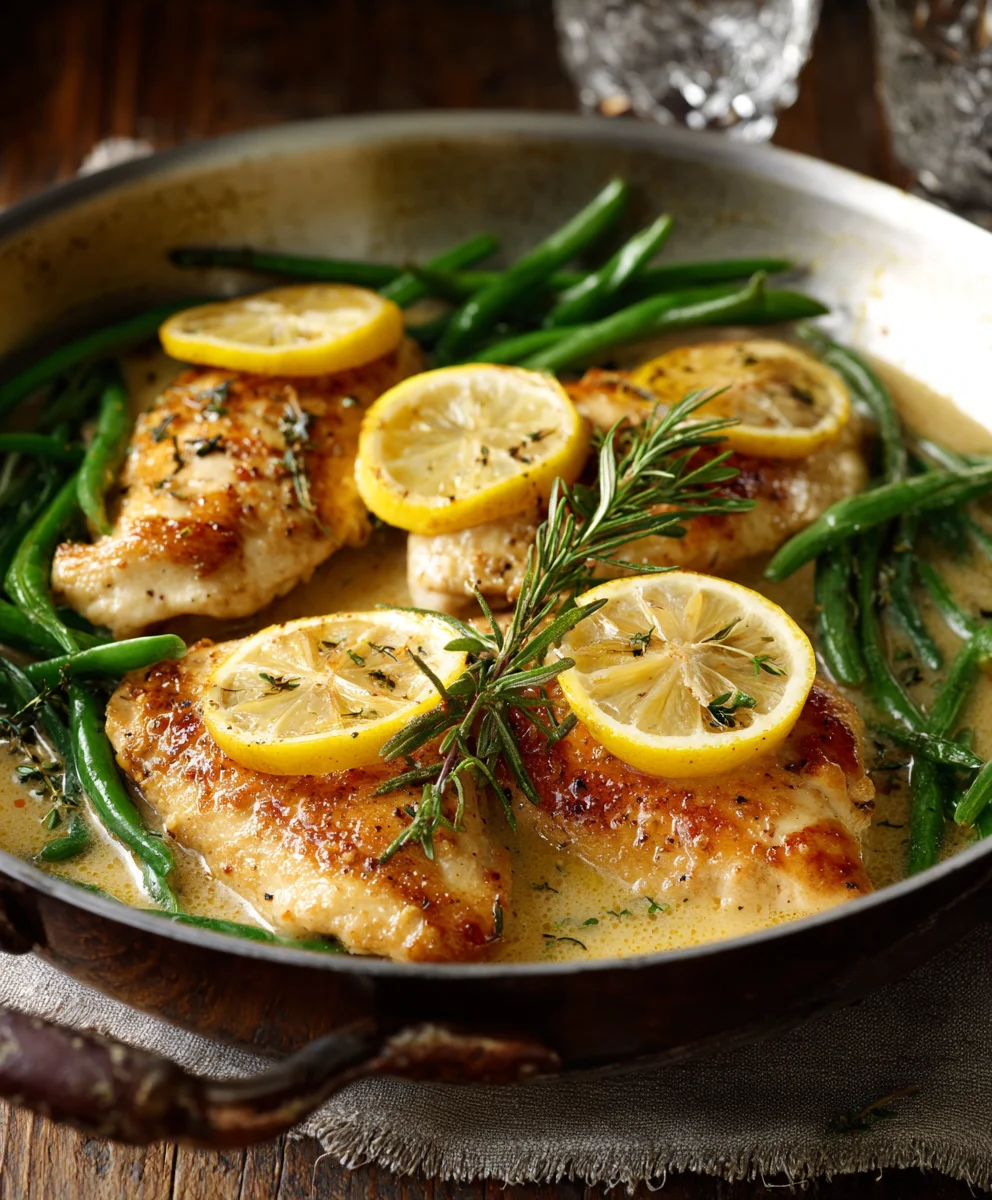
1 1/2 lb chicken breast (2 large)
-
1 Tbsp olive oil
-
1 Tbsp parsley, chopped (optional garnish)
-
1/2 lemon, sliced (optional garnish)
-
2 large eggs
-
1 clove garlic, minced
-
1/2 tsp Italian seasoning
-
1/2 tsp salt
-
1/4 tsp ground black pepper
-
1 cup Parmesan cheese, grated
-
3 Tbsp all-purpose flour
-
8 Tbsp unsalted butter
-
2 cloves garlic, minced
-
1/4 cup lemon juice
-
1/4 cup chicken broth
Instructions
-
Step 1
Slice chicken breasts horizontally into 4 thinner cutlets. Pat dry. -
Step 2
Prepare breading station: In one shallow dish, whisk eggs, 1 minced garlic, Italian seasoning, 1/2 tsp salt, and 1/4 tsp pepper. In a second dish, combine Parmesan cheese and flour. -
Step 3
Dip each chicken cutlet first into the egg mixture, then into the Parmesan-flour mixture, pressing to coat well. -
Step 4
Heat 1 Tbsp olive oil in a large skillet over medium-high heat. Cook chicken cutlets 3-5 minutes per side until golden brown and cooked through. Transfer chicken to a plate. -
Step 5
In the same skillet, melt 8 Tbsp unsalted butter. Add 2 minced garlic cloves and cook for 1 minute. Stir in 1/4 cup lemon juice and 1/4 cup chicken broth; bring to a gentle simmer. -
Step 6
Return the cooked chicken to the skillet, spooning the lemon garlic sauce over the top. Garnish with fresh chopped parsley and lemon slices if desired. Serve immediately.
Important Information
Nutrition Facts (Per Serving)
It is important to consider this information as approximate and not to use it as definitive health advice.
Allergy Information
Please check ingredients for potential allergens and consult a health professional if in doubt.


Leave a Comment