

How to make Pita Bread at home might just be the culinary quest you didn’t know you needed to embark on, but trust me, it’s one that yields incredibly delicious and rewarding results. Forget those pre-packaged options; there’s a unique magic in pulling warm, pillowy pita bread straight from your oven, complete with those signature pockets that are just beggin extractg to be filled. People adore this versatile bread for its ability to transform simple meals into something special – perfect for scooping up hummus, cradling falafel, or simply enjoying with a drizzle of olive oil. What truly sets homemade pita bread apart is its incredible freshness and delicate chew, a far cry from the often drier, mass-produced versions. You get to control the ingredients, ensuring a pure, wholesome product that tastes infinitely better. Ready to unlock the secrets to perfect homemade pita?

Ingredients:
- 2 cups All Purpose Flour, plus an additional 1/2 cup for dusting
- 1/2 cup Whole Wheat Flour
- 1 tablespoon Sugar
- 1 teaspoon Salt
- 1 tablespoon Olive Oil
- 2 teaspoons Active Dry Yeast
- 1 cup Warm Water (around 105-115°F or 40-46°C)
Preparing the Dough
Activating the Yeast
The first crucial step in achieving perfectly puffed pita bread is ensuring your yeast is alive and active. In a small bowl, combine the 1 cup of warm water and the 1 tablespoon of sugar. Give it a gentle stir to help dissolve the sugar. Sprinkle the 2 teaspoons of active dry yeast over the surface of the water. Do not stir it in just yet. Let it sit undisturbed for about 5 to 10 minutes. You’ll know the yeast is ready when it becomes foamy and bubbly, resembling a light, airy mousse on top. This indicates that the yeast is alive and will effectively leaven your dough. If you don’t see this activity, your yeast may be old or the water was too hot or too cold, and you’ll need to start this step again with fresh yeast.
Mixing the Dough
Once your yeast is activated, it’s time to bring the dough together. In a large mixing bowl, combine the 2 cups of all-purpose flour and the 1/2 cup of whole wheat flour. Add the 1 teaspoon of salt to the dry ingredients and whisk them together to ensure an even distribution. Now, pour the foamy yeast mixture into the bowl with the flour. Add the 1 tablespoon of olive oil. Using a sturdy spoon or a dough whisk, begin extract to mix the ingredients until they just start to come together into a shaggy dough. At this stage, the mixture will still be quite sticky and might not look like a cohesive ball.
Kneading the Dough
Turn the shaggy dough out onto a lightly floured surface. You’ll use some of that reserved 1/2 cup of all-purpose flour here for dusgin extractg. Begin to knead the dough. This process develops the gluten, which is essential for the pita’s structure and that signature puff. To knead, fold the dough over on itself, then push down and away with the heels of your hands. Rotate the dough a quarter turn and repeat. Continue this process for about 8 to 10 minutes. The dough should gradually transform from a sticky, lumpy mass into a smooth, elastic ball. It should feel slightly tacky but not stick excessively to your hands or the work surface. If it’s still too sticky, add a tiny bit more flour, a tablespoon at a time, until it reaches the desired consistency.
First Rise
Allowing the Dough to Proof
Lightly grease your large mixing bowl with a little more olive oil. Place the kneaded dough ball into the greased bowl and turn it over to coat all sides with the oil. This prevents a dry crust from forming. Cover the bowl tightly with plastic wrap or a clean, damp kitchen towel. Find a warm, draft-free place in your kitchen for the dough to rise. An oven that has been turned off after being briefly warmed (and then cooled slightly) is often a good spot. Let the dough rise for 1 to 1.5 hours, or until it has doubled in size. You’ll see a significant increase in volume, and the dough will look puffy and airy.
Shaping and Second Rise
Punching Down and Dividing
Once the dough has doubled, gently punch it down in the center with your fist. This releases the trapped gases and makes the dough easier to work with. Turn the dough out onto your lightly floured work surface again. For average-sized pita breads, divide the dough into 6 to 8 equal portions. You can do this by gently flattening the dough and then cutting it with a knife or bench scraper, or by estimating and tearing pieces. Roll each portion into a smooth ball.
Resting and Flattening
Cover the dough balls loosely with a clean kitchen towel and let them rest for about 10 to 15 minutes. This brief rest allows the gluten to relax, making them easier to roll ogin extractwithout springing back. After resting, take one dough ball at a time and gently flatten it with your hands. Then, using a rolling pin, roll each ball into a flat circle, about 6 to 7 inches in diameter and approximately 1/4 inch thick. Try to maintain an even thickness for consistent cooking. Place the rolled-out pitas on your floured work surface, ensuring they don’t touch each other, and cover them loosely with the towel while you roll out the rest.
Baking the Pita Bread
Preheating the Oven and Baking Surface
This is where the magic happens! Preheat your oven to a very high temperature – 450°F (230°C). If you have a baking stone or a pizza steel, place it in the oven while it preheats. This super-hot surface is key to getting that dramatic puff. If you don’t have a baking stone, a heavy-duty baking sheet turned upside down can also work, but preheating it is still essential.
The Puffing Process
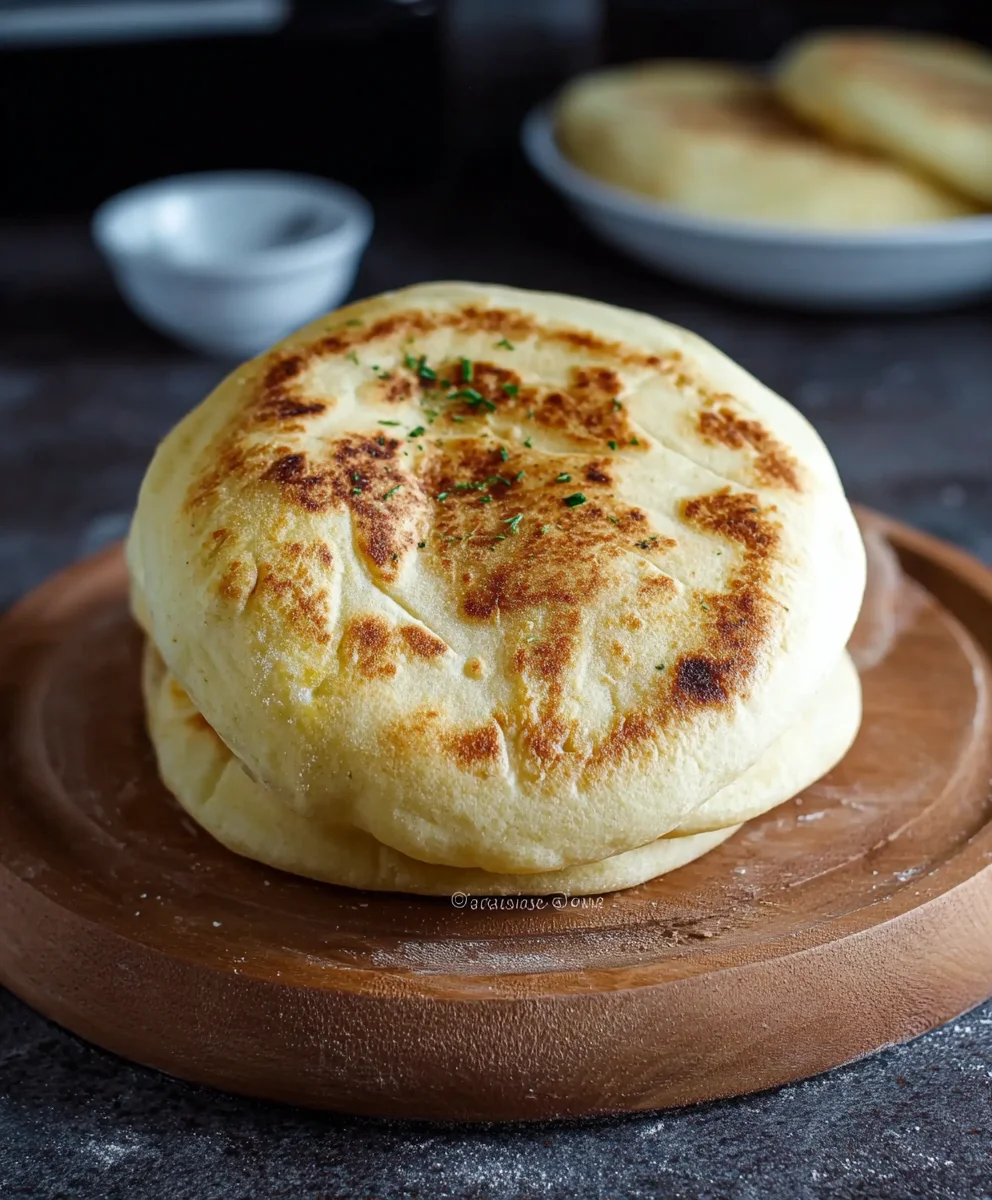
Carefully transfer 2 to 3 of the rolled-out pita rounds onto the preheated baking stone or sheet. Work quickly to minimize heat loss from the oven. Yougin extractould see the pitas begin to puff up within 30 seconds to a minute of hitting the hot surface. They will inflate like balloons as the steam trapped inside the dough expands rapidly. Bake for 2 to 3 minutes per side, or until they are puffed and have light golden-brown spots. You may need to use tongs to flip them gently for even cooking and to encourage maximum puffing on both sides. Don’t overbake them, or they will become hard and brittle rather than soft and pliable.
Cooling and Storing
Once baked, remove the pita breads from the oven and immediately place them on a wire rack. To keep them soft and prevent them from drying out, you can stack them and cover them with a clean kitchen towel while they cool. This traps the steam and helps maintain their pliability. They are best enjoyed warm, but they can be stored in an airtight container or a zip-top bag at room temperature for a couple of days, or frozen for longer storage. Reheat gently in a dry skillet or in a warm oven.
Conclusion:
There you have it! You’ve now unlocked the secret to creating perfect, fluffy pita bread right in your own kitchen. This recipe for How to make Pita Bread at home is surprisingly simple and incredibly rewarding. The aroma of freshly baked pita filling your home is truly something special. Enjoying warm, homemade pita with your favorite dips like hummus, baba ghanoush, or tzatziki is a culinary delight. You can also use these pitas as a base for delicious pizzas or as a side to hearty stews and curries. Don’t be afraid to experiment! Try adding herbs like rosemary or za’atar to the dough for an extra burst of flavor, or incorporate a touch of whole wheat flour for a nuttier profile. We encourage you to give this recipe a try and discover the joy of baking your own bread. Happy baking!
Frequently Asked Questions:
Why isn’t my pita bread puffing up?
Several factors can affect puffing. Ensure your oven is hot enough, ideally 450-500°F (230-260°C). The pita needs intense heat to create steam quickly inside the dough. Make sure your dough is adequately proofed and not overworked. Also, try placing the pita directly on a preheated baking stone or pizza steel for maximum heat transfer from the bottom.
Can I make pita bread ahead of time?
Absolutely! Once cooled completely, store your homemade pita bread in an airtight container or a zip-top bag at room temperature for 2-3 days. For longer storage, they can be frozen for up to 2-3 months. Reheat them gently in a toaster oven, on a dry skillet, or in a warm oven to bring back their freshness.

Easy Homemade Pita Bread Recipe-Soft & Fluffy
A simple recipe for making soft and fluffy homemade pita bread from scratch, perfect for filling or dipping.
Ingredients
-
2 cups All Purpose Flour, plus an additional 1/2 cup for dusting
-
1/2 cup Whole Wheat Flour
-
1 tablespoon Sugar
-
1 teaspoon Salt
-
1 tablespoon Olive Oil
-
2 teaspoons Active Dry Yeast
-
1 cup Warm Water (around 105-115°F or 40-46°C)
Instructions
-
Step 1
Activate the yeast by combining warm water and sugar in a bowl, then sprinkling yeast on top and letting it sit for 5-10 minutes until foamy. -
Step 2
In a large bowl, combine all-purpose flour, whole wheat flour, and salt. Pour in the activated yeast mixture and olive oil, mixing until a shaggy dough forms. -
Step 3
Turn the dough onto a lightly floured surface and knead for 8-10 minutes until smooth and elastic. Add a little more flour if it’s too sticky. -
Step 4
Place the dough in a greased bowl, cover, and let it rise in a warm place for 1-1.5 hours, or until doubled in size. -
Step 5
Punch down the dough, divide into 6-8 portions, and roll each into a smooth ball. Let them rest for 10-15 minutes. -
Step 6
Roll out each dough ball into a 6-7 inch circle, about 1/4 inch thick. Cover and let them rest again. -
Step 7
Preheat oven to 450°F (230°C) with a baking stone or inverted baking sheet inside. Carefully place 2-3 pita rounds onto the hot surface. -
Step 8
Bake for 2-3 minutes per side, or until puffed and lightly golden brown. Flip gently to encourage even puffing. -
Step 9
Remove from oven, stack, and cover with a towel to keep soft while cooling. Store in an airtight container or freeze.
Important Information
Nutrition Facts (Per Serving)
It is important to consider this information as approximate and not to use it as definitive health advice.
Allergy Information
Please check ingredients for potential allergens and consult a health professional if in doubt.



Leave a Comment