

Sauteed Green Beans are far more than just a simple side dish; they are a culinary revelation waiting to brighten any meal. I’ve always been amazed at how a humble vegetable can be transformed into something truly spectacular with just a few minutes in a hot pan. While green beans themselves have been a staple in diets worldwide for centuries, spanning countless cultures from Asian stir-fries to European roasts, the magic of sautéing elevates them.
This method isn’t just about cooking; it’s about
unlocking their vibrant flavor and achieving that coveted crisp-tender texture that everyone adores. People love this dish not only for its incredible taste – often infused with garlic and a hint of butter or olive oil – but also for its remarkable convenience. It’s a quick, healthy, and incredibly versatile addition to almost any main course. Preparing perfect Sauteed Green Beans is a skill that will serve you well in countless kitchen scenarios, proving that delicious, wholesome food doesn’t have to be complicated.

Ingredients:
- 1 pound fresh green beans: I always recommend opting for vibrant, crisp beans. Look for ones that snap easily when you bend them. Avoid any that appear wilted, bruised, or have brown spots. Haricots Verts, the French variety, are also wonderful for this recipe if you can find them; they tend to be thinner and more tender.
- 2 tablespoons extra virgin olive oil: A good quality olive oil truly makes a difference here. It’s not just for cooking; it adds a lovely fruity depth to the final dish. I prefer a medium-bodied olive oil that can withstand the heat without losing its flavor.
- 2-3 cloves garlic: Freshly minced garlic is non-negotiable for me in this recipe. Pre-minced garlic in a jar simply won’t give you the same bright, pungent flavor. Adjust the quantity to your personal preference – I lean towards three cloves for a robust garlic flavor.
- 1/4 cup vegetable or chicken broth (or water): This is my secret weapon for achieving perfectly tender-crisp green beans without overcooking them or making them too oily. It helps to steam the beans slightly while they sauté, locking in moisture and flavor.
- 1/2 teaspoon sea salt: Or kosher salt. I always start with half a teaspoon and adjust at the end. Different salts have different levels of salinity, so taste as you go.
- 1/4 teaspoon freshly ground black pepper: Freshly ground pepper has a much more complex aroma and flavor than pre-ground. Don’t skip this detail!
- Optional garnishes and flavor boosters:
- 1 tablespoon unsalted butter: Adds a beautiful richness and sheen right at the end.
- 1 tablespoon fresh lemon juice: A squeeze of fresh lemon brightens up the entire dish, cutting through the richness and enhancing the natural flavors of the beans.
- 2 tablespoons toasted sliced almonds: For a lovely crunch and nutty flavor.
- 1 tablespoon fresh parsley, chopped: Adds a touch of freshness and color.
- Pinch of red pepper flakes: If you like a little heat, these are fantastic.
Preparing Your Green Beans for Sautéing
- Washing and Trimming: First things first, you’ll want to give your beautiful fresh green beans a good wash under cool running water. I like to place them in a colander and rinse thoroughly, gently rubbing them to remove any dirt or debris. Once they’re clean, it’s time to trim them. My preferred method is to snap off the stem end (the part where they were attached to the plant). Some people use a knife, lining up several beans on a cutting board and slicing off the ends, which is certainly faster, but I find the snap method more satisfying and it ensures you only remove the tough bit. The “tail” end, the thin pointy tip, is usually tender enough to leave on, but you can snip it off if you prefer a neater appearance. The key here is consistency; aim for beans of similar length for even cooking. If you have some very long beans, you might consider snapping them in half to match the size of the others.
- Thorough Drying is Crucial: This step is often overlooked but it is absolutely vital for successful sautéed green beans. After washing and trimming, you need to dry your green beans thoroughly. Excess moisture on the beans will prevent them from browning properly in the pan, leading to a steaming effect rather than a beautiful sauté. I usually spread them out on a clean kitchen towel or use a salad spinner to get them as dry as possible. Pat them with another towel if needed. Dry beans are happy beans, ready to develop that wonderful caramelized char. If you find they are still a bit damp, a quick spin in a salad spinner is incredibly effective.
- Considering an Optional Blanch: While not strictly necessary for this sautéed green beans recipe, blanching can be a great pre-treatment, especially if you’re making a very large batch or want to ensure a vibrant green color and tender interior with minimal effort during the sautéing process. To blanch, bring a pot of salted water to a rolling boil. Drop the trimmed green beans into the boiling water and cook for just 2-3 minutes, until they are bright green and slightly tender-crisp. Immediately transfer them to an ice bath (a bowl of ice water) to stop the cooking process. Once cooled, drain them thoroughly and pat them very dry before proceeding to the sautéing step. This step gives you a head start on tenderness and sets their beautiful color.
The Sautéing Process – Achieving Perfection
- Heat Your Pan Properly: Place a large skillet or frying pan (I love using a 10 or 12-inch cast-iron skillet for this; it holds heat beautifully and gives a fantastic sear) over medium-high heat. Allow the pan to heat for about 1-2 minutes until it’s nice and hot. You want to hear a gentle sizzle when the oil goes in. Once the pan is hot, add the 2 tablespoons of extra virgin olive oil. Swirl the pan to coat the bottom evenly. You’ll know the oil is ready when it shimmers slightly and perhaps a wisp of smoke appears – but be careful not to let it smoke excessively, as that means it’s too hot and the oil is breaking down.
- Add the Aromatics: Reduce the heat slightly to medium. Add the minced garlic to the hot oil. Sauté the garlic for about 30 seconds to 1 minute, stirring constantly. You want the garlic to become fragrant and slightly golden, but absolutely not burnt. Burnt garlic turns bitter and can ruin the dish. Keep a close eye on it; garlic can go from perfect to burnt in a matter of seconds. If you’re nervous, you can even pull the pan off the heat for a few seconds while stirring.
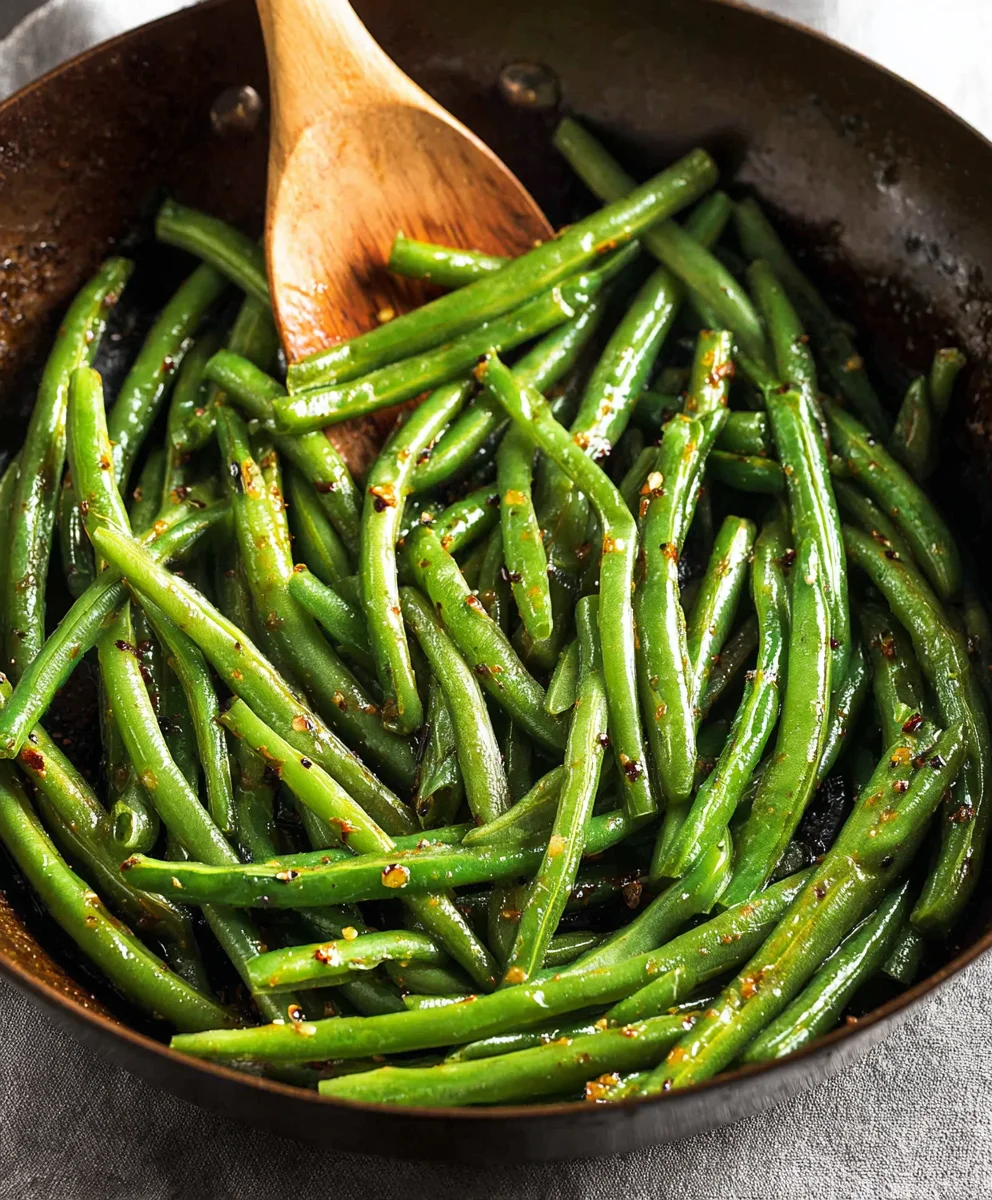
- Sauté the Green Beans: Immediately add the thoroughly dried green beans to the pan with the garlic. Increase the heat back to medium-high. Spread the beans in a single layer as much as possible to ensure even cooking and maximum contact with the hot pan, which promotes browning. Cook for 5-7 minutes, stirring or tossing occasionally. You’re looking for those lovely caramelized, slightly charred spots on the beans – that’s where a lot of the amazing flavor comes from. During this phase, I like to let them sit undisturbed for a minute or two between stirs to allow those beautiful brown spots to develop.
- Season and Steam: After 5-7 minutes of initial sautéing, when the beans have started to soften and show some color, add the 1/2 teaspoon of sea salt and 1/4 teaspoon of freshly ground black pepper. Give everything a good stir to distribute the seasoning. Now, pour in the 1/4 cup of vegetable or chicken broth (or water). This is where the magic happens! The liquid will create steam, helping to tenderize the beans further without making them soggy, and it will also deglaze the pan, picking up all those flavorful browned bits from the bottom.
- Cover and Finish Cooking: Quickly cover the skillet with a lid. Reduce the heat to medium-low and let the beans cook, covered, for another 3-5 minutes. The exact timing will depend on how tender you like your green beans. I personally prefer them tender-crisp, with a slight bite to them, so I lean towards the shorter cooking time. If you like them softer, let them cook for the full 5 minutes or even a minute longer, checking for tenderness.
- Check for Doneness: After the covered cooking time, remove the lid. Most of the liquid should have evaporated. Take a green bean out of the pan and taste it. Is it cooked to your liking? Is the seasoning just right? This is your chance to adjust the salt and pepper if needed. If they’re not quite tender enough, you can add another tablespoon or two of liquid, cover, and cook for another minute.
Elevating Your Sauteed Green Beans
- Add Finishing Touches (Optional but Highly Recommended!): This is where you can truly make your Sauteed Green Beans shine. Right after you remove the lid and have checked for doneness, if you’re using them, stir in the 1 tablespoon of unsalted butter. Let it melt and coat the beans, adding a luxurious sheen and rich flavor. Then, drizzle with the 1 tablespoon of fresh lemon juice – this brightens the entire dish wonderfully, cutting through the richness of the oil and butter. If you’re adding toasted almonds, red pepper flakes, or fresh herbs like parsley, now is the time to fold them in. Give everything a final gentle toss.
- Serve Immediately: These Sauteed Green Beans are best served hot, straight from the pan. They make a fantastic side dish for virtually any meal, whether it’s roasted chicken, grilled fish, steak, or even a simple pasta dish. Their vibrant color and fresh flavor are always a welcome addition to the plate.
-
Troubleshooting and Tips:
- Beans too soft? This usually means they were either over-blanched or cooked for too long in the pan. Next time, reduce the cooking time, especially the covered steaming phase.
- Not enough flavor? Ensure you’re using fresh garlic and good quality olive oil. Don’t be shy with the salt and pepper, and always taste before serving to adjust. A squeeze of lemon juice at the end is a game-changer for boosting flavor.
- Beans not browning? Your pan wasn’t hot enough when you added the beans, or you overcrowded the pan. Cook in batches if necessary, and ensure the beans are very dry before they hit the pan.
- Make ahead? While best fresh, you can sauté the beans until just tender-crisp, then cool quickly and refrigerate. Reheat gently in a skillet with a splash of water or broth until warmed through, then add any finishing touches.
Creative Variations for Your Sauteed Green Beans
Once you’ve mastered the basic technique for these perfect Sauteed Green Beans, the possibilities for customization are endless. Here are some of my favorite ways to switch things up and add even more exciting flavors:
-
Garlic Parmesan Sauteed Green Beans:
To achieve this wonderfully savory variation, follow all the steps for the basic recipe. After you’ve added the butter and lemon juice (or even instead of the lemon juice if you want a purely savory profile), sprinkle 2-3 tablespoons of freshly grated Parmesan cheese over the hot beans. Toss gently until the cheese slightly melts and coats the beans. The residual heat from the beans will be enough to soften the cheese beautifully, creating a creamy, salty crust. This is an absolute crowd-pleaser and pairs incredibly well with Italian-inspired meals or roasted meats. For an extra layer of flavor, you could even add a pinch of garlic powder along with the fresh garlic, or a touch of dried oregano during the sautéing phase. -
Lemon-Almond Sauteed Green Beans:
This variation is all about texture and bright, nutty notes. The key here is toasting your almonds properly. Before you even start cooking the green beans, place 2-3 tablespoons of sliced or slivered almonds in a small, dry skillet over medium-low heat. Toast them, stirring frequently, until they are fragrant and lightly golden brown. This usually takes about 3-5 minutes, so keep a close eye on them as they can burn quickly. Remove them from the pan immediately and set aside. Follow the main recipe instructions for sautéing the green beans. In step 7, after the butter and lemon juice are added, gently fold in your toasted almonds. The crunch of the almonds against the tender-crisp green beans, combined with the zesty lemon, is simply divine. Sometimes, I’ll even add a tiny bit of lemon zest along with the juice for an extra burst of citrus aroma. -
Spicy Red Pepper Sauteed Green Beans:
If you crave a little heat, this variation is incredibly simple and satisfying. When you add the minced garlic to the pan in step 2, also add 1/4 to 1/2 teaspoon of red pepper flakes (or more, if you’re brave!). Sauté the red pepper flakes along with the garlic for about 30 seconds to allow their flavors to bloom in the hot oil. Be mindful not to burn them, as this can make them bitter. Then proceed with the rest of the recipe as written. The heat from the pepper flakes will infuse throughout the green beans, giving each bite a delightful kick. This version is fantastic with Asian-inspired dishes or anything where you want to add a touch of spice. You can also finish it with a drizzle of sesame oil for an extra layer of flavor. -
Balsamic Glazed Sauteed Green Beans:
For a sweet and tangy twist, balsamic vinegar is your friend. Follow the main recipe up to step 6, where the beans are cooked through and the liquid has evaporated. Then, instead of adding lemon juice, pour 1-2 tablespoons of good quality balsamic vinegar into the hot pan. Increase the heat slightly and let the balsamic vinegar reduce and thicken slightly for about 1-2 minutes, coating the green beans in a beautiful, glossy glaze. Stir continuously during this step to ensure the vinegar doesn’t burn. The vinegar will add a wonderful depth of flavor, a pleasant tang, and a hint of sweetness that complements the natural earthiness of the green beans. A touch of butter can still be added here for richness. -
Mushroom and Onion Sauteed Green Beans:
This variation turns your simple side dish into a more substantial offering. When you start heating your pan in step 1, add 1 tablespoon of olive oil. Sauté 1/2 cup of sliced mushrooms (cremini or button work well) and 1/4 cup of thinly sliced shallots or red onion for about 5-7 minutes, until they are tender and nicely browned. Remove them from the pan and set aside. Then, proceed with the main recipe for the Sauteed Green Beans, using the remaining 1 tablespoon of olive oil and adding the garlic as usual. In step 7, just before serving, gently fold the sautéed mushrooms and onions back into the green beans along with any other finishing touches like a touch of fresh thyme or rosemary. This adds an incredible umami depth and a satisfying texture.
No matter which variation you choose, remember that fresh, quality ingredients and careful attention to the sautéing technique are the keys to truly outstanding Sauteed Green Beans. Enjoy experimenting and finding your favorite way to prepare this versatile and delicious vegetable!
Conclusion:
This recipe, my friends, isn’t just another side dish; it’s a revelation. I genuinely believe it’s one of those culinary gems that will elevate your weeknight dinners and impress guests without any fuss. What truly sets it apart is its incredible balance of simplicity and profound flavor. We’re talking about a dish that demands minimal effort yet delivers a vibrant, tender-crisp texture and a rich, savory depth that you might not expect from such humble ingredients. It’s remarkably quick, meaning you can have a gourmet-tasting side on the table in mere minutes, perfect for those busy evenings when you crave something wholesome and delicious but are short on time. Beyond the speed, it’s also incredibly adaptable and surprisingly healthy, making it a fantastic addition to almost any meal plan. You’ll find yourself reaching for this recipe again and again because it simply makes good food taste even better, showcasing how a few key techniques can unlock incredible potential from everyday vegetables. It’s more than just a recipe; it’s a foundational technique for truly wonderful vegetable preparation that everyone should have in their repertoire.
Now, let’s talk about how to make this star side shine even brighter or tweak it to perfectly fit your meal. My absolute favorite way to serve it is alongside a perfectly pan-seared salmon or a roasted chicken breast – the freshness beautifully cuts through the richness. It also pairs wonderfully with a succulent steak, a hearty vegetarian main like lentil loaf, or even a creamy mushroom risotto. Don’t limit yourself to dinner, though! Cold leftovers (if you’re lucky enough to have any!) are fantastic tossed into a lunch salad for an added burst of flavor and texture that will make your midday meal much more exciting.
Unleash Your Inner Chef with These Variations:
But wait, there’s more! The true beauty of this recipe lies in its incredible versatility, practically begging for your personal touch. For a delightful touch of heat, try adding a pinch of red pepper flakes during the last minute of cooking, infusing a subtle kick without overpowering the other flavors. A generous squeeze of fresh lemon juice right before serving can brighten everything up significantly, adding a zesty, refreshing finish that awakens the palate. If you’re feeling a bit adventurous, a sprinkle of toasted slivered almonds or pine nuts can introduce a lovely crunch and a rich, nutty aroma that complements the green beans perfectly. For an umami bomb, a dash of soy sauce or a tablespoon of finely grated Parmesan cheese, stirred in just after removing from the heat, works wonders, adding a layer of savory depth. And if you want to make it a little more decadent, a small knob of butter swirled in at the very end can add a silky richness that takes it over the top. You could also experiment with fresh herbs; a handful of chopped fresh parsley, dill, or chives tossed in at the very end brings a lovely aromatic lift and a splash of color. Imagine a sprinkle of crispy fried shallots or garlic chips on top for an extra layer of texture and savory depth. This dish truly invites creativity, and I wholeheartedly encourage you to make it your own, adapting it to your taste and what you have on hand.
So, there you have it! I’ve shared my passion for this incredible dish, and now it’s your turn. I truly hope you’re feeling inspired to roll up your sleeves and give this recipe a go. Trust me, the simple act of preparing these perfectly cooked Sauteed Green Beans will bring a smile to your face and, more importantly, a truly delicious and nutritious addition to your dinner table. You’ll be amazed at how quickly it comes together and how much flavor you can coax out of such straightforward ingredients. It’s a game-changer for anyone looking to elevate their vegetable sides.
Once you’ve experienced the magic, I would absolutely love to hear about it! Did you try any of my suggested variations? Or did you come up with your own brilliant twist that you just have to share? What did you serve it with? Please don’t hesitate to share your experiences, tips, and photos in the comments below. Your feedback and creativity not only make my day but also help inspire other home cooks in our wonderful community. Let’s make delicious food together and celebrate the joy of cooking, starting with these utterly irresistible Sauteed Green Beans. Happy cooking, everyone! I can’t wait to see what you create!
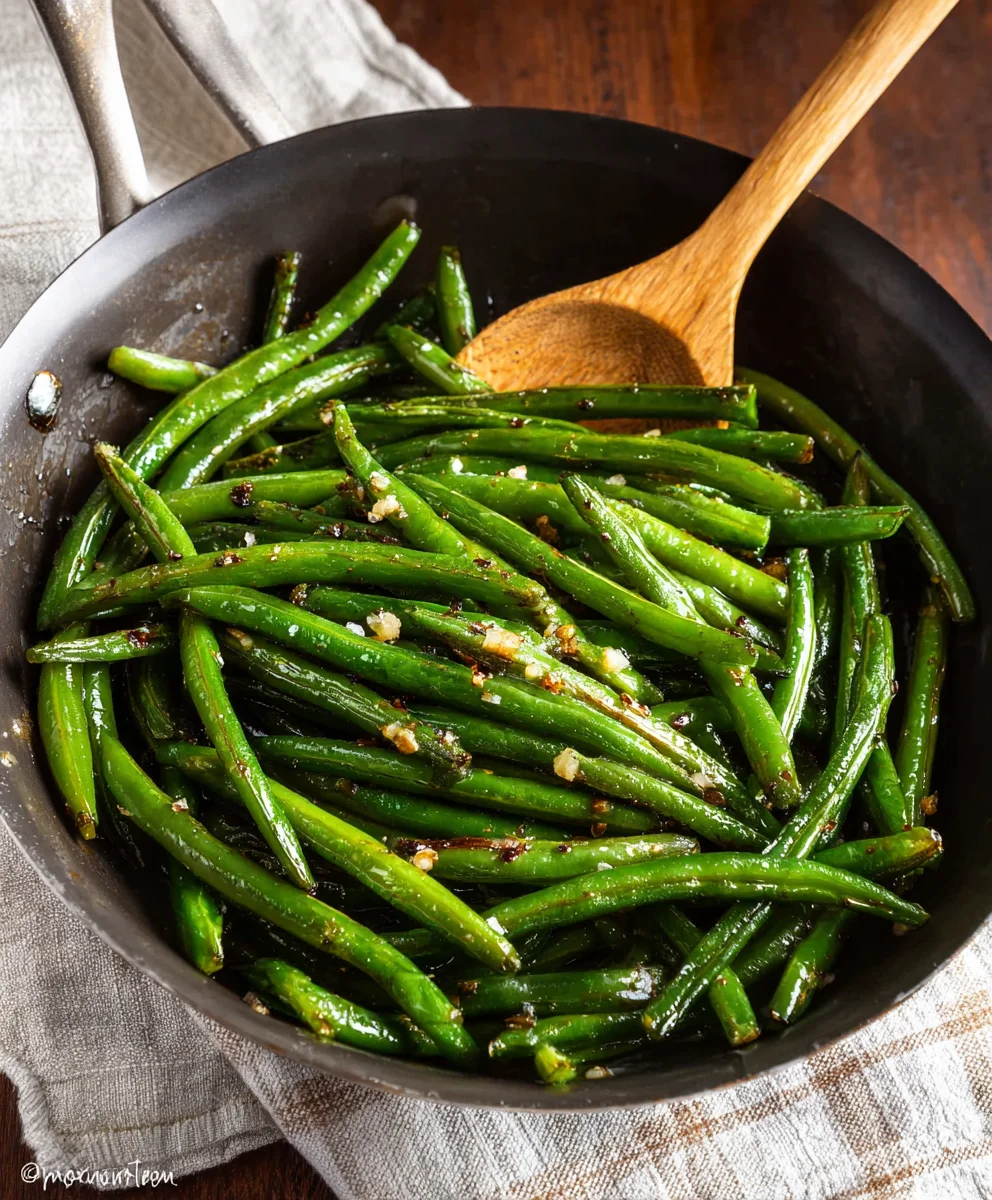
Delicious Sauteed Green Beans – Easy Side Dish
Sauteed Green Beans are a culinary revelation, transforming a humble vegetable into something spectacular. This method unlocks their vibrant flavor and achieves that coveted crisp-tender texture everyone adores, making them a quick, healthy, and versatile addition to any meal.
Ingredients
-
24 oz fresh green beans, ends trimmed
-
3 Tbsp salted butter
-
3 cloves garlic, minced
-
½ tsp salt
-
¼ tsp ground black pepper
Instructions
-
Step 1
Wash and trim the ends from the fresh green beans. Dry them thoroughly using a kitchen towel or salad spinner; this is crucial for browning. -
Step 2
Melt 3 Tbsp salted butter in a large skillet (preferably cast iron) over medium-high heat. Add the 3 cloves of minced garlic and sauté for about 30 seconds until fragrant, being careful not to burn it. -
Step 3
Add the thoroughly dried green beans to the pan. Sauté for 8-10 minutes, stirring occasionally, until the beans are tender-crisp and have developed some lightly browned, caramelized spots. -
Step 4
Season the green beans with ½ tsp salt and ¼ tsp ground black pepper. Toss everything well to combine. Serve immediately while hot.
Important Information
Nutrition Facts (Per Serving)
It is important to consider this information as approximate and not to use it as definitive health advice.
Allergy Information
Please check ingredients for potential allergens and consult a health professional if in doubt.



Leave a Comment