

Duchess Potatoes, those elegant peaks of creamy, buttery, and impossibly smooth mashed potatoes, are more than just a side dish; they’re an experience. Have you ever found yourself mesmerized by their delicate piped swirls, golden-brown edges, and melt-in-your-mouth texture at a special occasion, perhaps a holiday feast or a formal dinner? You’re not alone. People adore Duchess Potatoes because they elevate the humble potato to a star, offering a sophisticated yet comforting taste that perfectly complements any main course. What truly makes this classic French preparation so special is the alchemy that transforms simple ingredients into pure culinary magic. The rich addition of egg yolks and butter creates an unparalleled silken consistency, and the ability to pipe them into stunning shapes ensures they are as visually appealing as they are delicious. Get ready to impress yourself and your guests with this foolproof recipe for truly exceptional Duchess Potatoes.

Ingredients:
- 2 pounds Russet or Yukon gold potatoes
- 1/4 cup unsalted butter, divided
- 1/4 cup heavy cream
- 1/4 cup grated Parmesan cheese
- 1 teaspoon salt
- 1/2 teaspoon black pepper
- 3 large egg yolks
- Fresh chopped chives or parsley, for garnish
- 1 tablespoon coarse sea salt, for garnish
Preparing the Potatoes
The foundation of truly exceptional Duchess Potatoes lies in the quality and preparation of the potatoes themselves. For this recipe, I highly recommend using either Russet or Yukon gold potatoes. Both varieties have a wonderful starch content that yields a fluffy, creamy texture when mashed, which is precisely what we want for these elegant potato creations. Begin extract by thoroughly washing your 2 pounds of potatoes. You can peel them if you prefer a smoother final product, but leaving the skins on can add a rustic charm and a little extra fiber.
Once washed and peeled (if you choose), cut the potatoes into roughly equal-sized pieces, about 1-1.5 inches. This ensures they will cook evenly. Place the cut potatoes into a large pot and cover them with cold water by about an inch. Add a generous pinch of salt to the water; this helps to season the potatoes from the inside out as they boil. Bring the water to a rolling boil over high heat, then reduce the heat to medium-low, cover the pot, and let them simmer for about 15-20 minutes, or until they are fork-tender. You should be able to easily pierce a potato piece with a fork or a knife with very little resistance.
After the potatoes are cooked, drain them thoroughly in a colander. It’s crucial to let them steam dry for a few minutes to allow any excess moisture to evaporate. This step is vital because too much water in your mashed potatoes will lead to a gummy texture, and we’re aiming for light and airy Duchess Potatoes.
Mashing and Enriching the Potato Mixture
Now comes the part where we transform those fluffy cooked potatoes into the base for our Duchess Potatoes. Return the drained and slightly dried potatoes to the empty pot they were cooked in, or transfer them to a large mixing bowl. We’re going to mash them until they are smooth. You can use a potato masher for a slightly coarser texture, but for the silkiest results, I prefer to use a ricer or a food mill. If you don’t have either of those, a sturdy fork can also work, but be prepared to put in a bit more effort to break down all the lumps.
Once the potatoes are mashed, it’s time to add richness and flavor. We’ll start by incorporating 2 tablespoons of the unsalted butter (remember, we have 1/4 cup total, so reserve the other 2 tablespoons for later). As the hot mashed potatoes sit, the butter will melt beautifully into them. Next, add the 1/4 cup of heavy cream. The cream adds moisture and makes the potatoes wonderfully creamy. Stir everything together until the butter is fully melted and the cream is incorporated.
Now it’s time for the Parmesan cheese. Add the 1/4 cup of grated Parmesan cheese to the mixture. This will add a lovely savory, nutty note that complements the potatoes perfectly. Stir in 1 teaspoon of salt and 1/2 teaspoon of black pepper. Taste the mixture at this point and adjust the seasoning if necessary. Remember, the Parmesan cheese is already salty, so be mindful of that when adding more salt.
Incorporating the Egg Yolks and Piping
The egg yolks are what give Duchess Potatoes their signature smooth, rich, and slightly custardy texture, and they also contribute to that beautiful golden hue. It’s important to add the egg yolks when the potato mixture is still warm, but not piping hot, as you don’t want to scramble them. Gently whisk the 3 large egg yolks in a small bowl until they are uniform in color.
Gradually add the whisked egg yolks to the warm potato mixture, stirring continuously until they are fully incorporated. The mixture will become smoother and more cohesive. Continue to stir until you have a thick, luxurious potato purée.
Now, for the fun part – shaping! We’ll get the remaining 2 tablespoons of unsalted butter ready. You can melt them slightly to brush onto your baking sheet, or simply leave them softened to help prevent sticking. Preheat your oven to 400°F (200°C). Line a baking sheet with parchment paper or lightly grease it. Transfer the potato purée to a piping bag fitted with a star tip (a large one works best for dramatic swirls). If you don’t have a piping bag, you can also use a sturdy resealable plastic bag with the corner snipped off, or even two spoons to shape mounds of the potato mixture.
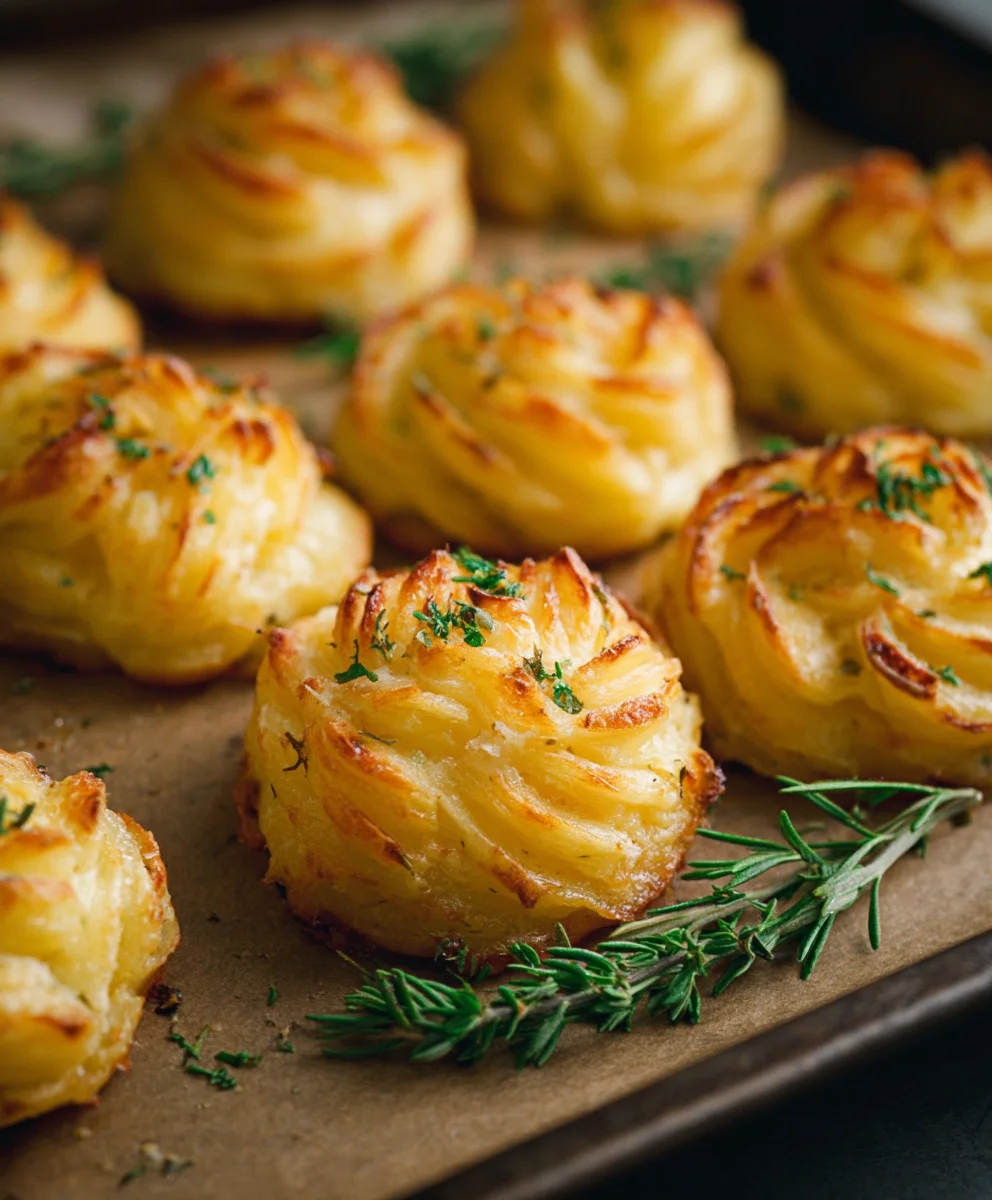
Pipe the Duchess Potatoes into decorative shapes onto the prepared baking sheet. Swirls, rosettes, or even simple mounds look elegant. Make sure they are not too close together, as they will puff up slightly as they bake. For an extra touch of flavor and a beautiful golden crust, you can lightly brush the tops of the piped potatoes with a little melted butter or a light wash of additional heavy cream.
Baking to Perfection
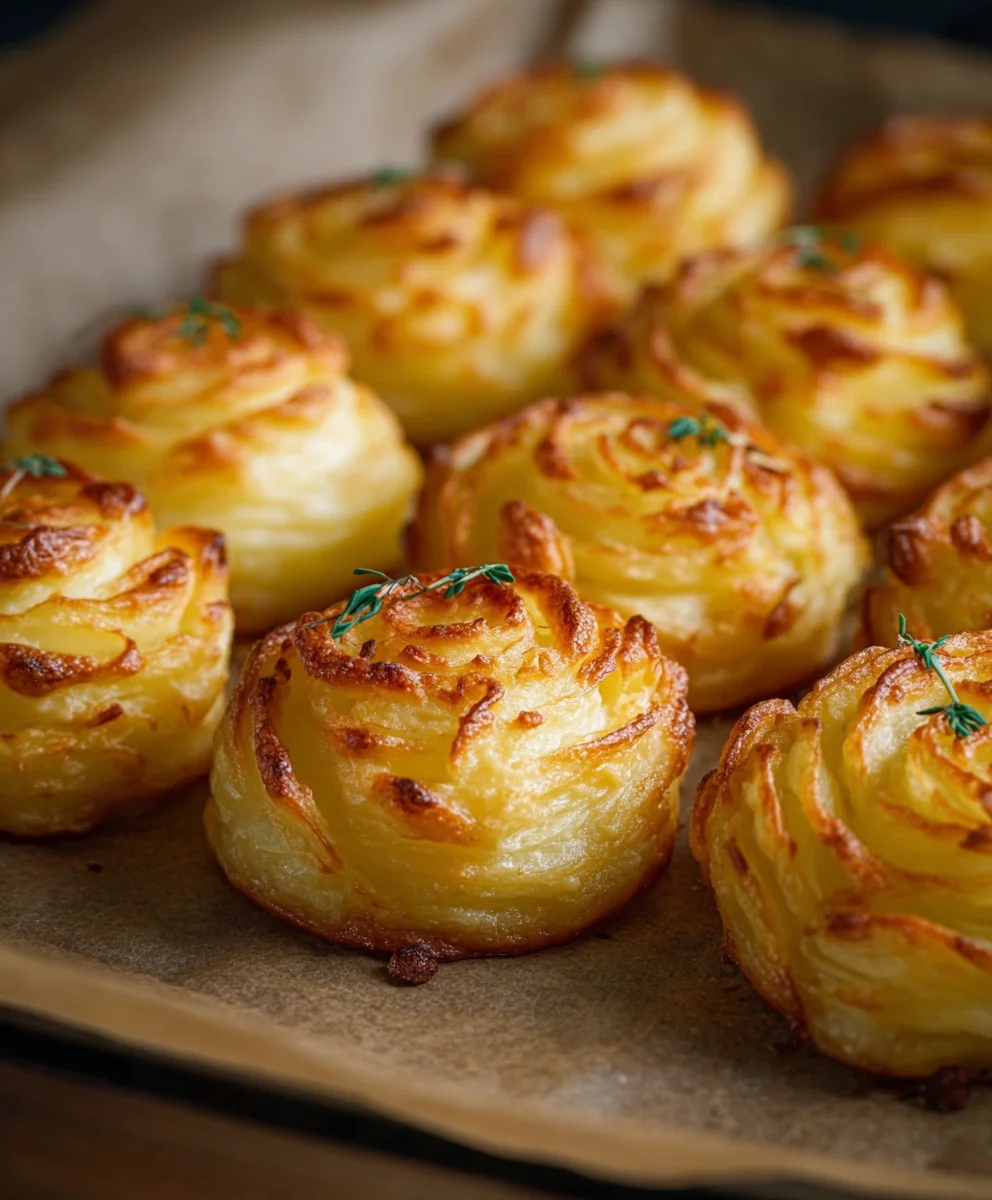
With your beautifully piped Duchess Potatoes ready on the baking sheet, it’s time to send them into the oven. Place the baking sheet in the preheated 400°F (200°C) oven. Bake for approximately 20-25 minutes. The exact baking time will depend on the size and thickness of your piped shapes. You are looking for them to become beautifully golden brown on the edges and slightly browned on the peaks. They should feel firm to the touch and hold their shape.
Keep a close eye on them during the last 5-10 minutes of baking. If you notice some are browning more quickly than others, you can carefully rotate the baking sheet. The goal is an even, appealing golden-brown color all around. The aroma that will fill your kitchen during this stage is simply divine – a rich, buttery, cheesy potato scent that signals deliciousness is on its way.
Once they’ve achieved that perfect golden hue and are heated through, carefully remove the baking sheet from the oven. The Duchess Potatoes will be hot and fragrant. Allow them to cool on the baking sheet for a minute or two before attempting to transfer them to a serving platter. This brief cooling period helps them firm up further, making them easier to handle.
Garnishing and Serving
The final flourish for these exquisite Duchess Potatoes is the garnish. This is where you elevate them from delicious to truly spectacular. While they are still warm, sprinkle them generously with the fresh chopped chives or parsley. The vibrant green adds a pop of color and a fresh, herbaceous counterpoint to the rich potato.
For an extra special touch, and to add a delightful crunch and a hint of mineral flavor, I love to sprinkle a little coarse sea salt over the top. The 1 tablespoon of sea salt provides a beautiful contrast in texture and taste to the smooth potatoes. Serve your Duchess Potatoes immediately while they are warm. They are an elegant side dish that pairs wonderfully with roasted meats like prime rib or chicken, as well as fish or even as part of a sophisticated brunch spread. Enjoy the delightful presentation and the incredibly satisfying, creamy, and flavorful bite of your homemade Duchess Potatoes!
Conclusion:
And there you have it – a delightful journey into the world of Duchess Potatoes! We’ve explored how to create these elegant, creamy, and golden-brown potato peaks that are sure to impress. The process might seem a little involved, but the reward is a truly special side dish that elevates any meal. Whether you’re serving them alongside a Sunday roast, a special holiday dinner, or even just to make an ordinary Tuesday feel extraordinary, Duchess Potatoes are a fantastic choice. Don’t be afraid to get creative with your piping bag; the more decorative, the better!
For serving, these are perfect with roasted meats like chicken or beef, or even as a luxurious accompaniment to fish. You can also serve them with a rich mushroom gravy for a vegetarian option. When it comes to variations, consider adding a pinch of nutmeg to the potato mixture for an extra layer of warmth, or a sprinkle of finely chopped chives for a fresh, oniony bite. Some adventurous cooks even add a touch of grated cheese to the mix before piping. We encourage you to try this recipe and discover the simple elegance of homemade Duchess Potatoes. Enjoy every creamy, buttery bite!
Frequently Asked Questions about Duchess Potatoes:
Q: What is the best way to achieve the classic Duchess Potatoes shape?
A: A piping bag fitted with a star tip is your best friend here. Make sure your potato mixture is smooth and at a consistency that can hold its shape when piped. If it’s too loose, your peaks might slump. Try to pipe them relatively quickly after they’ve been cooled slightly, as they will firm up.
Q: Can I make Duchess Potatoes ahead of time?
A: Yes, you can prepare the piped Duchess Potatoes and refrigerate them on a baking sheet for up to 24 hours. Before baking, let them sit at room temperature for about 15-20 minutes, and then bake as directed, potentially adding a few extra minutes to the cooking time to ensure they’re heated through.
Q: My Duchess Potatoes are not turning golden brown. What can I do?
A: Ensure your oven is preheated correctly and reaching the right temperature. You can also brush the tops of the piped potatoes with a little melted butter or an egg wash before baking. This will help them achieve that beautiful golden-brown hue and added crispiness.
Creamy Duchess Potatoes – Elegant & Easy Side Dish
An elegant and easy side dish made with creamy mashed potatoes, enriched with butter, cream, Parmesan, and egg yolks, then piped and baked to golden perfection.
Ingredients
-
2 pounds Russet or Yukon gold potatoes
-
1/4 cup unsalted butter, divided
-
1/4 cup heavy cream
-
1/4 cup grated Parmesan cheese
-
1 teaspoon salt
-
1/2 teaspoon black pepper
-
3 large egg yolks
-
Fresh chopped chives or parsley, for garnish
-
1 tablespoon coarse sea salt, for garnish
Instructions
-
Step 1
Wash and cut 2 pounds of potatoes into 1-1.5 inch pieces. Cover with cold water by an inch, add salt, boil, then simmer for 15-20 minutes until fork-tender. Drain and let steam dry. -
Step 2
Mash the potatoes until smooth using a ricer, food mill, or masher. Stir in 2 tablespoons of butter until melted, then add 1/4 cup heavy cream. Mix until incorporated. -
Step 3
Add 1/4 cup grated Parmesan cheese, 1 teaspoon salt, and 1/2 teaspoon black pepper. Stir well and taste to adjust seasoning. -
Step 4
Whisk 3 large egg yolks until uniform. Gradually add them to the warm potato mixture, stirring constantly until smooth and cohesive. -
Step 5
Preheat oven to 400°F (200°C). Line a baking sheet. Transfer potato purée to a piping bag fitted with a star tip. Pipe decorative shapes onto the baking sheet. Lightly brush with melted butter or cream if desired. -
Step 6
Bake for 20-25 minutes, or until edges are golden brown and peaks are slightly browned. Watch closely during the last 5-10 minutes. -
Step 7
Remove from oven and let cool for a minute. Garnish with fresh chopped chives or parsley and 1 tablespoon of coarse sea salt before serving warm.
Important Information
Nutrition Facts (Per Serving)
It is important to consider this information as approximate and not to use it as definitive health advice.
Allergy Information
Please check ingredients for potential allergens and consult a health professional if in doubt.

Leave a Comment