
Cheese Soufflé: Just the name conjures images of elegant dinner parties and impressive culinary feats, doesn’t it? But what if I told you that this seemingly daunting dish is actually quite achievable in your own kitchen? Forget the intimidation we’re about to demystify the soufflé and unlock a world of airy, cheesy delight!
The soufflé, with its dramatic rise and delicate texture, has a rich history rooted in French cuisine. Emerging in the early 18th century, it was initially conceived as a way to utilize leftover ingredients, transforming humble components into something truly spectacular. Over time, it evolved into a symbol of culinary skill and sophistication, gracing the tables of royalty and becoming a staple in fine dining establishments.
But why is the Cheese Soufflé so beloved? It’s more than just a pretty face! The combination of rich, cheesy flavor and a light-as-air texture is simply irresistible. The warm, savory aroma fills the kitchen, creating an anticipation that only intensifies with the first bite. Plus, while it might seem fancy, a well-executed soufflé is surprisingly versatile. It can be served as an elegant appetizer, a satisfying light lunch, or even a show-stopping side dish. So, are you ready to embark on this culinary adventure with me? Let’s create a Cheese Soufflé that will impress your friends and family (and, most importantly, yourself!).

Ingredients:
- 1/4 cup (2 ounces) unsalted butter, plus more for greasing the ramekins
- 1/4 cup all-purpose flour
- 1 cup whole milk
- 1/4 teaspoon salt
- 1/8 teaspoon ground white pepper
- Pinch of ground nutmeg
- 4 large eggs, separated
- 1/4 teaspoon cream of tartar
- 1 cup (4 ounces) grated Gruyère cheese
- 1/2 cup (2 ounces) grated Parmesan cheese
Preparing the Soufflé Base (Béchamel Sauce)
Okay, let’s get started! The first thing we need to do is create the base for our soufflé, which is a classic béchamel sauce. Don’t worry, it’s easier than it sounds!
- Melt the Butter: In a medium saucepan, melt the 1/4 cup of butter over medium heat. Keep a close eye on it so it doesn’t burn. We want it nice and melted, but not browned.
- Add the Flour: Once the butter is melted, add the 1/4 cup of all-purpose flour. Whisk constantly and vigorously for about 1-2 minutes. This creates a roux, which is the foundation of our béchamel. You’ll notice the mixture will start to look a little pasty and will have a slightly nutty aroma. This step is crucial for thickening the sauce later, so don’t skip the whisking!
- Gradually Add the Milk: Now, slowly pour in the 1 cup of whole milk, whisking continuously. It’s important to add the milk gradually to prevent lumps from forming. Keep whisking until the mixture is smooth and the milk is fully incorporated.
- Simmer and Thicken: Reduce the heat to low and continue to simmer the sauce, whisking occasionally, for about 5-7 minutes. The sauce will gradually thicken to the consistency of a medium-thick cream. You should be able to coat the back of a spoon with it. If it’s too thick, add a tablespoon or two of milk to thin it out. If it’s too thin, continue simmering for a bit longer.
- Season the Béchamel: Remove the saucepan from the heat and stir in the 1/4 teaspoon of salt, 1/8 teaspoon of white pepper, and a pinch of ground nutmeg. Taste and adjust the seasoning as needed. Remember, the cheese will also add saltiness, so don’t overdo it at this stage.
Incorporating the Egg Yolks and Cheese
Next, we’ll enrich our béchamel with egg yolks and cheese. This is where the flavor really starts to come together!
- Cool Slightly: Let the béchamel sauce cool slightly for a few minutes. This is important because we don’t want to cook the egg yolks when we add them.
- Whisk in the Egg Yolks: In a separate bowl, lightly whisk the 4 egg yolks. Then, slowly drizzle a small amount of the warm béchamel sauce into the egg yolks, whisking constantly. This is called tempering the eggs, and it prevents them from scrambling when added to the hot sauce. Once you’ve tempered the eggs, pour the egg yolk mixture into the saucepan with the remaining béchamel sauce.
- Stir in the Cheese: Stir in the 1 cup of grated Gruyère cheese and the 1/2 cup of grated Parmesan cheese. Mix until the cheese is completely melted and the sauce is smooth and creamy. The cheese will add a wonderful depth of flavor and richness to the soufflé.
Preparing the Egg Whites
Now for the magic! Whipping the egg whites properly is the key to a light and airy soufflé. This is where patience and technique come into play.
- Prepare the Egg Whites: In a clean, dry bowl (preferably stainless steel or glass), add the 4 egg whites. Make sure there are no traces of yolk in the whites, as this can prevent them from whipping properly.
- Add Cream of Tartar: Add the 1/4 teaspoon of cream of tartar to the egg whites. Cream of tartar helps to stabilize the egg whites and create a more voluminous and stable meringue.
- Whip the Egg Whites: Using an electric mixer (either a stand mixer or a hand mixer), begin whipping the egg whites on medium speed. As the egg whites begin to foam, gradually increase the speed to high. Continue whipping until stiff, glossy peaks form. This means that when you lift the beaters, the peaks of the egg whites stand up straight and hold their shape. Be careful not to overwhip the egg whites, as they can become dry and grainy.
Combining the Mixtures and Baking
Almost there! Now we’ll gently fold the egg whites into the cheese sauce and get ready to bake our soufflés.
- Gently Fold in the Egg Whites: Using a rubber spatula, gently fold about one-third of the whipped egg whites into the cheese sauce. This will lighten the mixture and make it easier to incorporate the remaining egg whites.
- Fold in the Remaining Egg Whites: Gently fold in the remaining egg whites in two additions, being careful not to deflate the egg whites. Use a light, upward motion to fold the egg whites into the cheese sauce until just combined. Avoid overmixing, as this will cause the soufflé to be flat.
- Prepare the Ramekins: Preheat your oven to 375°F (190°C). Generously butter the inside of four ramekins. You can also dust the ramekins with grated Parmesan cheese or breadcrumbs to help the soufflés rise evenly.
- Fill the Ramekins: Divide the soufflé mixture evenly among the prepared ramekins. Fill the ramekins almost to the top, leaving a little room for the soufflés to rise.
- Create a Well (Optional): Use your finger to create a shallow well in the center of each soufflé. This can help the soufflés rise more evenly.
- Bake the Soufflés: Place the ramekins on a baking sheet and bake in the preheated oven for 25-30 minutes, or until the soufflés are puffed up and golden brown. The soufflés should have risen significantly and be slightly wobbly in the center.
- Serve Immediately: Soufflés are best served immediately, as they will begin to deflate shortly after being removed from the oven. Serve with a simple green salad or a side of crusty bread.
Tips for Soufflé Success
Here are a few extra tips to help you achieve soufflé perfection:
- Use Room Temperature Eggs: Room temperature eggs whip up more easily and create a more voluminous meringue.
- Don’t Open the Oven Door: Avoid opening the oven door while the soufflés are baking, as this can cause them to deflate.
- Serve Immediately: As mentioned before, soufflés are best served immediately. Have your guests ready and waiting when you take them out of the oven.
- Experiment with Flavors: Once you’ve mastered the basic cheese soufflé, you can experiment with different cheeses, herbs, and spices. Try adding a pinch of cayenne pepper for a little kick, or some chopped chives for a fresh, herbaceous flavor.
- Grease Ramekins Well: Thoroughly greasing the ramekins is crucial for the soufflés to rise properly. Make sure to get into all the nooks and crannies.
Troubleshooting Common Soufflé Problems
Even with the best intentions, sometimes soufflés don’t turn out quite as planned. Here are some common problems and how to fix them:
- Soufflé Didn’t Rise: This could be due to several factors, including not whipping the egg whites properly, overmixing the batter, or opening the oven door during baking. Make sure to follow the instructions carefully and avoid these common mistakes.
- Soufflé Deflated Quickly: This is normal to some extent, as soufflés will naturally deflate after being removed from the oven. However, if your soufflé deflates very quickly, it could be due to overbaking or using too much liquid in the batter.
- Soufflé is Too Dense: This could be due to not folding the egg whites in gently enough or overmixing the batter. Remember to use a light, upward motion when folding and avoid overmixing.
- Soufflé is Too Dry: This could be due to overbaking. Keep a close eye on the soufflés while they’re baking and remove them from the oven as soon as they’re puffed up and
Conclusion:
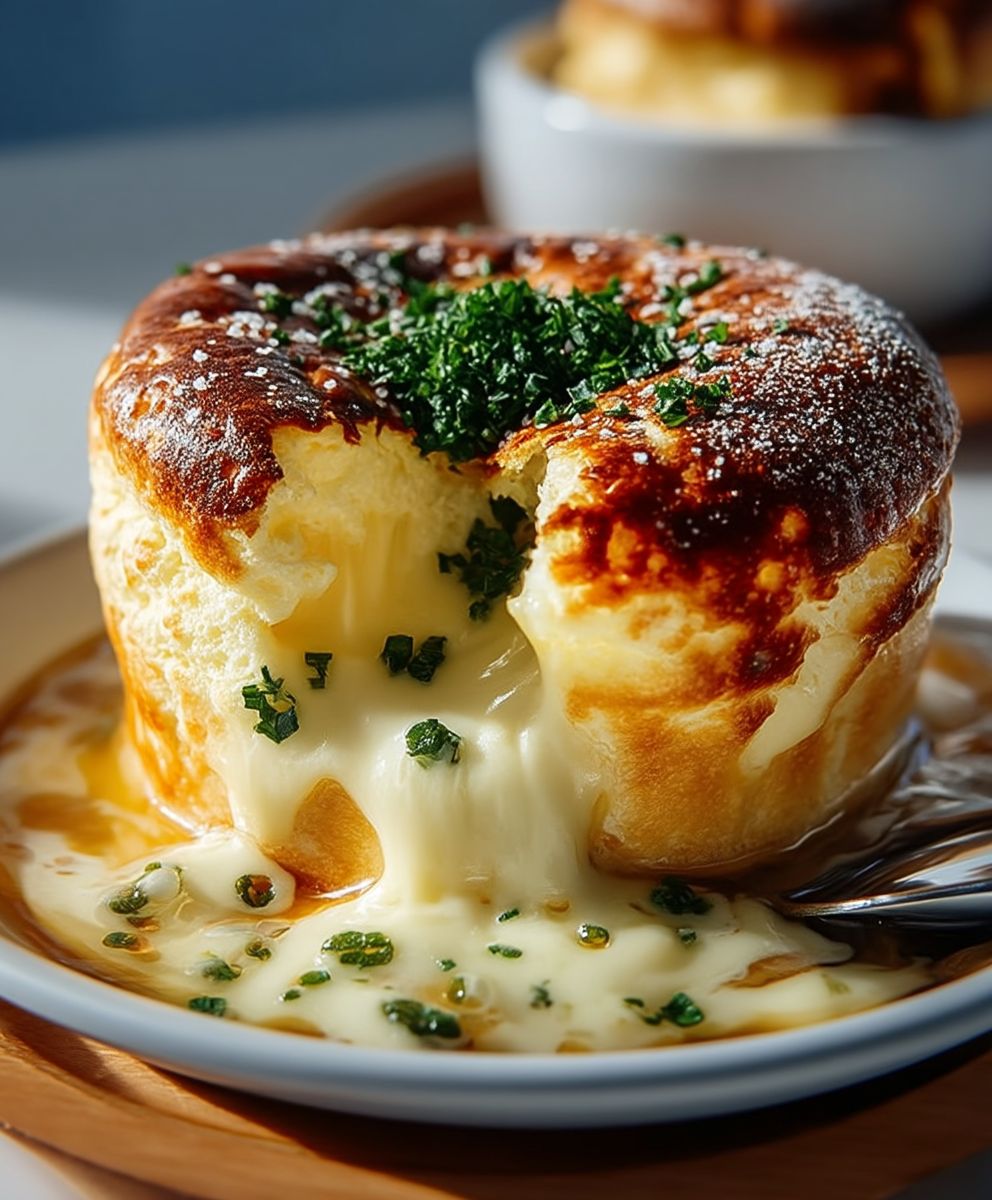
And there you have it! This Cheese Soufflé recipe isn’t just another dish; it’s an experience. It’s the kind of recipe that elevates a simple weeknight dinner or becomes the star of a sophisticated brunch. The airy texture, the rich cheesy flavor, and the sheer elegance of a perfectly risen soufflé make it a must-try for any home cook looking to impress. I know, I know, soufflés can seem intimidating, but trust me, with a little patience and attention to detail, you’ll be pulling a golden, puffy masterpiece out of your oven in no time.
But why is this particular recipe a must-try? It’s all about the balance. We’ve carefully crafted this recipe to ensure a stable base, preventing that dreaded collapse. The combination of Gruyère and Parmesan provides a depth of flavor that’s both comforting and complex. And the hint of nutmeg? It’s our little secret weapon, adding a subtle warmth that perfectly complements the cheese.
Now, let’s talk serving suggestions. A classic Cheese Soufflé is wonderful on its own, but it also pairs beautifully with a simple green salad dressed with a light vinaigrette. The acidity of the vinaigrette cuts through the richness of the soufflé, creating a delightful contrast. For a more substantial meal, consider serving it alongside grilled asparagus or roasted tomatoes. And for a truly decadent experience, a dollop of crème fraîche or a drizzle of truffle oil takes it to the next level.
Feeling adventurous? Let’s explore some variations! For a bolder flavor, try substituting some of the Gruyère with sharp cheddar or even a smoked Gouda. If you’re a fan of spice, a pinch of cayenne pepper adds a subtle kick. And for a vegetarian twist, consider incorporating finely chopped spinach or mushrooms into the base. Just be sure to adjust the amount of liquid accordingly to maintain the proper consistency. You could even try adding a small amount of crumbled bacon for a non-vegetarian option that adds a salty, smoky element.
Serving Suggestions:
- Simple Green Salad with Vinaigrette
- Grilled Asparagus
- Roasted Tomatoes
- Crème Fraîche
- Truffle Oil
Variations:
- Sharp Cheddar or Smoked Gouda
- Pinch of Cayenne Pepper
- Finely Chopped Spinach or Mushrooms
- Crumbled Bacon
I truly believe that everyone should experience the joy of making a perfect Cheese Soufflé at least once. It’s a rewarding culinary achievement that will impress your friends, delight your family, and leave you feeling like a true kitchen wizard.
So, what are you waiting for? Gather your ingredients, preheat your oven, and get ready to embark on a soufflé-making adventure! I’m confident that you’ll be thrilled with the results. And most importantly, don’t be afraid to experiment and make it your own. Cooking is all about creativity and having fun!
I’m so excited for you to try this recipe! Once you’ve had a chance to whip up your own Cheese Soufflé, please, please, please share your experience with me! I’d love to hear about your successes, your challenges, and any creative twists you added along the way. Did you try one of the variations? Did you find a new favorite serving suggestion? Let me know in the comments below! Your feedback is invaluable, and it helps me continue to refine and improve my recipes. Happy baking!
Cheese Soufflé: The Ultimate Guide to a Perfect, Fluffy Delight
Light and airy cheese soufflés made with Gruyère and Parmesan, perfect for a special occasion.
Ingredients
- 1/4 cup (2 ounces) unsalted butter, plus more for greasing the ramekins
- 1/4 cup all-purpose flour
- 1 cup whole milk
- 1/4 teaspoon salt
- 1/8 teaspoon ground white pepper
- Pinch of ground nutmeg
- 4 large eggs, separated
- 1/4 teaspoon cream of tartar
- 1 cup (4 ounces) grated Gruyère cheese
- 1/2 cup (2 ounces) grated Parmesan cheese
Instructions
- Prepare the Béchamel Sauce:
- Melt butter in a medium saucepan over medium heat.
- Add flour and whisk constantly for 1-2 minutes to create a roux.
- Gradually add milk, whisking continuously until smooth.
- Reduce heat to low and simmer, whisking occasionally, for 5-7 minutes until the sauce thickens to a medium-thick cream consistency.
- Remove from heat and stir in salt, white pepper, and nutmeg. Taste and adjust seasoning.
- Incorporate Egg Yolks and Cheese:
- Let the béchamel sauce cool slightly for a few minutes.
- In a separate bowl, lightly whisk the egg yolks. Slowly drizzle a small amount of the warm béchamel sauce into the egg yolks, whisking constantly (tempering).
- Pour the egg yolk mixture into the saucepan with the remaining béchamel sauce.
- Stir in the Gruyère and Parmesan cheese until melted and smooth.
- Prepare the Egg Whites:
- In a clean, dry bowl, add the egg whites and cream of tartar.
- Using an electric mixer, whip the egg whites on medium speed until foamy, then increase to high speed.
- Continue whipping until stiff, glossy peaks form. Be careful not to overwhip.
- Combine and Bake:
- Preheat oven to 375°F (190°C). Generously butter the inside of four ramekins.
- Gently fold about one-third of the whipped egg whites into the cheese sauce to lighten the mixture.
- Gently fold in the remaining egg whites in two additions, being careful not to deflate the egg whites.
- Divide the soufflé mixture evenly among the prepared ramekins, filling almost to the top.
- (Optional) Create a shallow well in the center of each soufflé.
- Place the ramekins on a baking sheet and bake for 25-30 minutes, or until puffed up and golden brown.
- Serve immediately.
Notes
- Use room temperature eggs for best results.
- Don’t open the oven door while baking.
- Serve immediately, as soufflés will deflate.
- Thoroughly grease the ramekins for even rising.
- If soufflé didn’t rise: ensure egg whites are whipped properly, avoid overmixing, and don’t open the oven door.
- If soufflé deflated quickly: avoid overbaking or using too much liquid.
- If soufflé is too dense: fold egg whites gently and avoid overmixing.
- If soufflé is too dry: avoid overbaking.



Leave a Comment