
Balsamic Vinaigrette: the secret weapon in my kitchen! Have you ever wondered how restaurants achieve that perfect, tangy, and slightly sweet dressing that elevates a simple salad to something truly special? The answer, more often than not, lies in a well-crafted balsamic vinaigrette. This isn’t just another salad dressing; it’s a culinary staple with roots stretching back to the heart of Italy.
While the exact origins are debated, balsamic vinegar itself has been produced in the Modena and Reggio Emilia regions of Italy for centuries, initially as a medicinal tonic. Over time, its rich, complex flavor profile made its way into the culinary world, eventually leading to the creation of the balsamic vinaigrette we know and love today.
What makes this dressing so universally appealing? It’s the perfect balance of acidity and sweetness, a delightful dance on the palate. The tang of the balsamic vinegar is beautifully tempered by the richness of olive oil, creating a harmonious blend that complements a wide variety of ingredients. People adore it for its versatility; it’s fantastic on salads, grilled vegetables, as a marinade for chicken or fish, or even drizzled over fresh fruit. Plus, it’s incredibly easy to make at home, allowing you to customize the flavors to your exact preferences. So, ditch the store-bought stuff and let’s unlock the secrets to creating the ultimate balsamic vinaigrette!

Ingredients:
- 1/4 cup Balsamic Vinegar (high quality is best!)
- 3/4 cup Extra Virgin Olive Oil
- 1 tablespoon Dijon Mustard
- 1 tablespoon Honey (or Maple Syrup for vegan option)
- 1 clove Garlic, minced
- 1/2 teaspoon Dried Italian Herbs (or a mix of oregano, basil, thyme)
- 1/4 teaspoon Salt (or to taste)
- 1/8 teaspoon Black Pepper (freshly ground is ideal)
Preparing the Vinaigrette:
- Gather Your Ingredients: Before you begin, make sure you have all your ingredients measured and ready to go. This will make the process much smoother and prevent you from scrambling around mid-recipe. I like to use small bowls to pre-measure everything.
- Mince the Garlic: Peel the garlic clove and mince it very finely. You can use a garlic press if you have one, or simply chop it with a knife. The smaller the pieces, the better the garlic flavor will infuse into the vinaigrette. Nobody wants big chunks of garlic in their salad!
- Combine Vinegar, Mustard, Honey, and Garlic: In a medium-sized bowl, whisk together the balsamic vinegar, Dijon mustard, honey (or maple syrup), and minced garlic. Whisk until the mixture is well combined and the honey is fully dissolved. The mustard acts as an emulsifier, helping to bind the oil and vinegar together. The honey adds a touch of sweetness that balances the acidity of the vinegar.
- Add Herbs, Salt, and Pepper: Stir in the dried Italian herbs, salt, and black pepper. Give it a good stir to ensure everything is evenly distributed. At this stage, you can also add other herbs or spices to customize the flavor to your liking. A pinch of red pepper flakes can add a little heat, or a dash of smoked paprika can add a smoky flavor.
- Slowly Drizzle in the Olive Oil: This is the most important step for creating a smooth and emulsified vinaigrette. While continuously whisking, slowly drizzle in the extra virgin olive oil in a thin, steady stream. The constant whisking will help the oil and vinegar to combine properly, creating a stable emulsion. If you add the oil too quickly, the vinaigrette may separate.
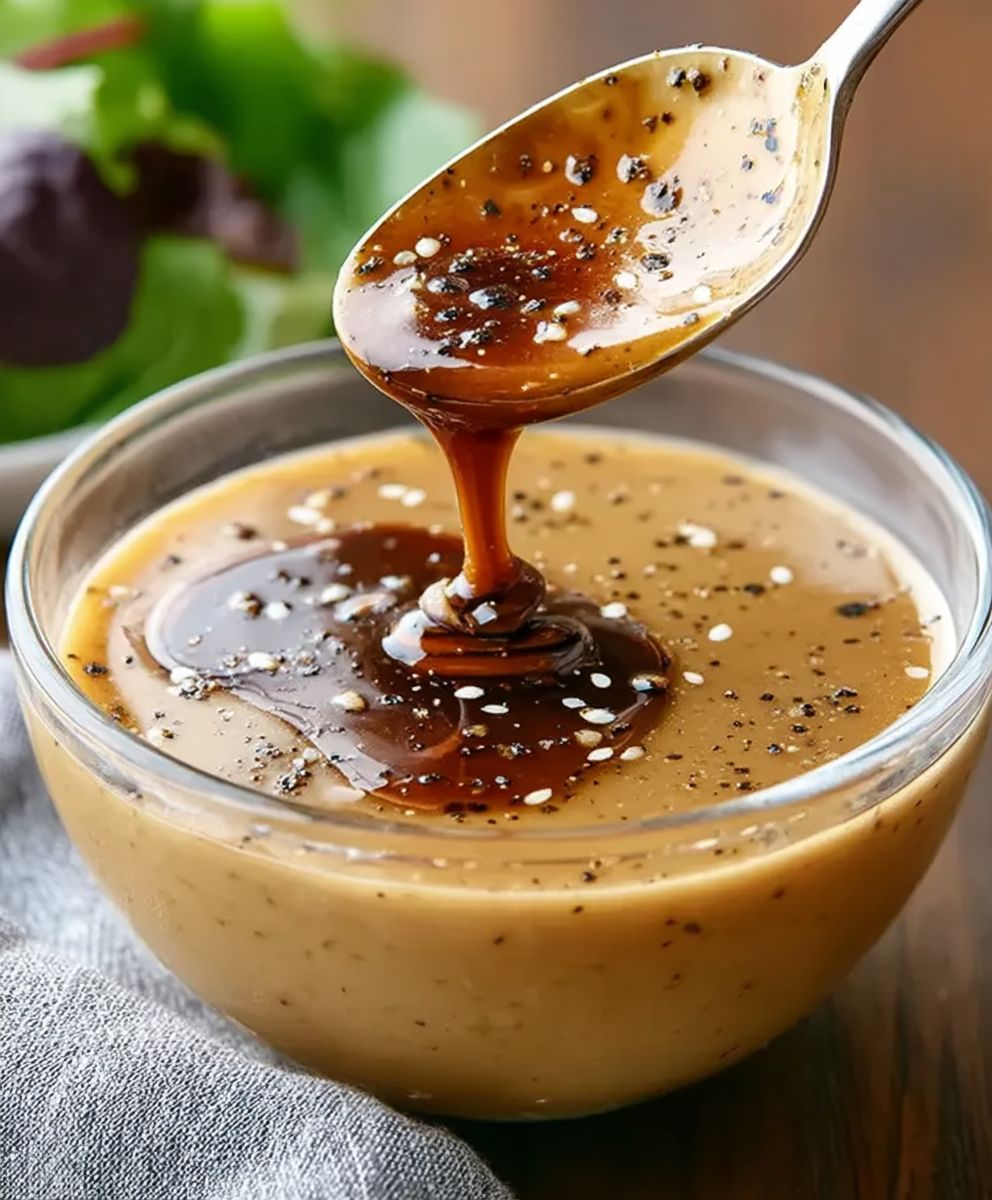
- Whisk Vigorously: Continue whisking until the vinaigrette is thick, creamy, and emulsified. It should have a slightly opaque appearance. This may take a few minutes of vigorous whisking. You’ll know it’s ready when the oil and vinegar are fully combined and the vinaigrette doesn’t separate easily.
- Taste and Adjust Seasoning: Now, taste the vinaigrette and adjust the seasoning as needed. You may want to add more salt, pepper, honey, or vinegar to suit your personal preference. If it’s too acidic, add a little more honey. If it’s too sweet, add a little more vinegar. Don’t be afraid to experiment!
- Transfer to a Jar or Bottle: Once you’re happy with the flavor, transfer the vinaigrette to a clean jar or bottle with a tight-fitting lid. This will make it easy to store and pour.
Alternative Method: Using a Blender or Food Processor
If you prefer, you can also make the vinaigrette in a blender or food processor. This method is even easier and faster, and it creates a very smooth and emulsified vinaigrette.
- Combine All Ingredients: Simply add all the ingredients to the blender or food processor.
- Blend or Process: Blend or process on low speed until the vinaigrette is smooth and emulsified. This should only take a few seconds.
- Taste and Adjust Seasoning: Taste and adjust the seasoning as needed.
- Transfer to a Jar or Bottle: Transfer the vinaigrette to a clean jar or bottle with a tight-fitting lid.
Tips for Success:
- Use High-Quality Ingredients: The quality of your ingredients will greatly affect the flavor of the vinaigrette. Use a good quality balsamic vinegar and extra virgin olive oil for the best results.
- Emulsify Properly: Emulsification is key to creating a smooth and stable vinaigrette. Make sure to slowly drizzle in the oil while continuously whisking or blending.
- Adjust Seasoning to Taste: Don’t be afraid to experiment with the seasoning to find the perfect balance of flavors for your palate.
- Store Properly: Store the vinaigrette in an airtight container in the refrigerator for up to 2 weeks. The oil may solidify in the refrigerator, so let it sit at room temperature for a few minutes before using. You may need to shake or whisk it again to re-emulsify.
- Get Creative with Add-ins: Feel free to add other ingredients to customize the flavor of your vinaigrette. Some ideas include:
- Fresh herbs (such as basil, parsley, or chives)
- Shallots or red onion
- Lemon juice or zest
- Spices (such as red pepper flakes, smoked paprika, or garlic powder)
- Mustard (such as whole grain mustard or honey mustard)
Serving Suggestions:
Balsamic vinaigrette is a versatile dressing that can be used in a variety of ways. Here are a few serving suggestions:
- Salads: Use it as a dressing for your favorite salads, such as a simple green salad, a Caprese salad, or a grilled vegetable salad.
- Marinades: Use it as a marinade for chicken, fish, or vegetables. The acidity of the vinegar will help to tenderize the meat and add flavor.
- Dips: Serve it as a dip for bread or vegetables.
- Toppings: Drizzle it over grilled vegetables, roasted potatoes, or bruschetta.
- Pasta Salads: Toss it with cooked pasta, vegetables, and cheese for a delicious pasta salad.
Variations:
Here are a few variations on the basic balsamic vinaigrette recipe:
- Lemon Balsamic Vinaigrette: Add 1-2 tablespoons of lemon juice and 1 teaspoon of lemon zest to the basic recipe. This will add a bright and citrusy flavor.
- Honey Mustard Balsamic Vinaigrette: Use honey mustard instead of Dijon mustard in the basic recipe. This will add a sweeter and tangier flavor.
- Garlic Herb Balsamic Vinaigrette: Add 1-2 cloves of minced garlic and 1-2 tablespoons of chopped fresh herbs (such as basil, parsley, or chives) to the basic recipe. This will add a more savory and herbaceous flavor.
- Raspberry Balsamic Vinaigrette: Add 1/4 cup of raspberry jam or puree to the basic recipe. This will add a sweet and fruity flavor.
Troubleshooting:
Here are a few common problems and solutions when making balsamic vinaigrette:
- Vinaigrette is too acidic: Add more honey or maple syrup to balance the acidity.
- Vinaigrette is too sweet: Add more balsamic vinegar or lemon juice to balance the sweetness.
- Vinaigrette is too thick: Add a little water or vinegar to thin it out.
- Vinaigrette is too thin: Add a little more olive oil to thicken it up.
- Vinaigrette is separated: Whisk or blend the vinaigrette again to re-emulsify it. If it continues to separate, try adding a little more Dijon mustard, which acts as an emulsifier.
Health Benefits:
Balsamic vinaigrette can be a healthy addition to your diet. Balsamic vinegar is rich in antioxidants and may help to lower cholesterol and blood sugar levels. Olive oil is a healthy fat that is good for your heart. Dijon mustard is a good source of selenium and other minerals. Honey is a natural sweetener that is also rich in antioxidants.
However, it’s important to note that balsamic vinaigrette can also be high in calories and fat, so it’s best to use it in moderation. Choose a high-quality olive oil and balsamic vinegar to maximize the health benefits.
Why This Recipe Works:
This recipe works because it’s all about balance. The acidity of the balsamic vinegar is balanced by the sweetness of the honey, and the richness of the olive oil is balanced by the sharpness of the Dijon mustard and garlic. The herbs add a layer of complexity and depth of flavor. By slowly drizzling in the oil while whisking, you create a stable emulsion that won’t separate easily. And by tasting and adjusting the seasoning to your liking, you can create a vinaigrette that is perfectly tailored to your taste buds.
I’ve been making this balsamic vinaigrette for years
Conclusion:
This isn’t just another salad dressing; it’s a flavor revelation! This balsamic vinaigrette recipe is a must-try because it elevates even the simplest salad into something truly special. The perfect balance of tangy balsamic vinegar, smooth olive oil, and a touch of sweetness creates a symphony of flavors that will tantalize your taste buds. Forget store-bought dressings loaded with preservatives and artificial ingredients this homemade version is fresh, vibrant, and infinitely better.
But the beauty of this recipe extends far beyond just salads. Imagine drizzling it over grilled vegetables like asparagus, zucchini, or bell peppers for a burst of flavor. It’s also fantastic as a marinade for chicken or fish, adding a depth of richness and complexity. Think about using it as a dipping sauce for crusty bread or even as a finishing touch to a Caprese salad with fresh mozzarella and ripe tomatoes. The possibilities are truly endless!
And speaking of possibilities, feel free to experiment with variations to make this balsamic vinaigrette your own signature creation. For a sweeter vinaigrette, add a touch more honey or maple syrup. If you prefer a sharper flavor, increase the amount of balsamic vinegar. You can also infuse it with herbs like thyme, rosemary, or oregano for an extra layer of complexity. A clove of minced garlic or a pinch of red pepper flakes can add a delightful kick. Don’t be afraid to get creative and tailor the recipe to your personal preferences.
Here are a few specific serving suggestions to get you started:
* Classic Salad: Toss it with mixed greens, cherry tomatoes, cucumbers, and red onion for a simple yet satisfying salad.
* Grilled Vegetable Medley: Drizzle it over grilled asparagus, zucchini, bell peppers, and eggplant for a flavorful side dish.
* Caprese Salad: Use it as a dressing for a Caprese salad with fresh mozzarella, ripe tomatoes, and basil leaves.
* Chicken Marinade: Marinate chicken breasts in the vinaigrette for at least 30 minutes before grilling or baking.
* Fish Marinade: Marinate white fish fillets in the vinaigrette for 15-20 minutes before pan-frying or baking.
* Bread Dipping Sauce: Serve it with crusty bread for a simple and elegant appetizer.
* Strawberry Spinach Salad: Combine spinach, sliced strawberries, crumbled goat cheese, and toasted almonds, then dress with the vinaigrette.
* Pasta Salad: Toss cooked pasta with chopped vegetables, mozzarella balls, and the vinaigrette for a refreshing pasta salad.
I truly believe that once you try this recipe, you’ll never go back to store-bought dressings again. It’s so easy to make, and the flavor is simply unbeatable. The fresh, vibrant taste of homemade balsamic vinaigrette will transform your meals and impress your friends and family.
So, what are you waiting for? Gather your ingredients and give this recipe a try! I’m confident that you’ll love it as much as I do. And most importantly, I’d love to hear about your experience. Share your photos, variations, and serving suggestions in the comments below. Let’s create a community of vinaigrette enthusiasts and inspire each other with delicious and creative ways to use this versatile dressing. Happy cooking!
Balsamic Vinaigrette: The Ultimate Guide to Making and Using It
A classic, easy-to-make balsamic vinaigrette perfect for salads, marinades, and more. This recipe uses high-quality ingredients for a balanced and flavorful dressing.
Ingredients
- 1/4 cup Balsamic Vinegar (high quality is best!)
- 3/4 cup Extra Virgin Olive Oil
- 1 tablespoon Dijon Mustard
- 1 tablespoon Honey (or Maple Syrup for vegan option)
- 1 clove Garlic, minced
- 1/2 teaspoon Dried Italian Herbs (or a mix of oregano, basil, thyme)
- 1/4 teaspoon Salt (or to taste)
- 1/8 teaspoon Black Pepper (freshly ground is ideal)
Instructions
- Gather Your Ingredients: Measure all ingredients and have them ready.
- Mince the Garlic: Peel and mince the garlic clove finely.
- Combine Vinegar, Mustard, Honey, and Garlic: In a medium bowl, whisk together balsamic vinegar, Dijon mustard, honey (or maple syrup), and minced garlic until well combined.
- Add Herbs, Salt, and Pepper: Stir in dried Italian herbs, salt, and black pepper.
- Slowly Drizzle in the Olive Oil: While continuously whisking, slowly drizzle in the extra virgin olive oil in a thin, steady stream.
- Whisk Vigorously: Continue whisking until the vinaigrette is thick, creamy, and emulsified.
- Taste and Adjust Seasoning: Taste and adjust seasoning as needed. Add more salt, pepper, honey, or vinegar to suit your preference.
- Transfer to a Jar or Bottle: Transfer the vinaigrette to a clean jar or bottle with a tight-fitting lid.
- Combine All Ingredients: Add all ingredients to the blender or food processor.
- Blend or Process: Blend or process on low speed until the vinaigrette is smooth and emulsified.
- Taste and Adjust Seasoning: Taste and adjust the seasoning as needed.
- Transfer to a Jar or Bottle: Transfer the vinaigrette to a clean jar or bottle with a tight-fitting lid.
Notes
- Storage: Store in an airtight container in the refrigerator for up to 2 weeks. Let sit at room temperature for a few minutes before using and shake or whisk again to re-emulsify.
- Ingredient Quality: Use high-quality balsamic vinegar and extra virgin olive oil for the best flavor.
- Emulsification: Slowly drizzle in the oil while whisking or blending to create a smooth and stable vinaigrette.
- Customization: Add fresh herbs, shallots, lemon juice, spices, or different mustards to customize the flavor.
- Troubleshooting:
- Too acidic: Add more honey or maple syrup.
- Too sweet: Add more balsamic vinegar or lemon juice.
- Too thick: Add a little water or vinegar.
- Too thin: Add a little more olive oil.
- Separated: Whisk or blend again. Add more Dijon mustard if it continues to separate.
Leave a Comment