
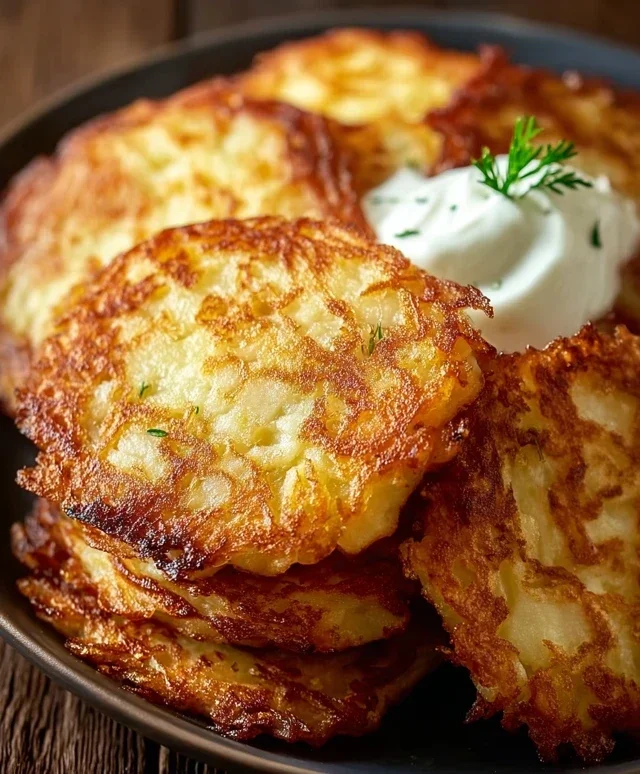
German Potato Pancakes, or Kartoffelpuffer as they’re affectionately known, are a true comfort food classic. There’s something incredibly satisfying about their crispy, golden exterior yielding to a tender, starchy interior. I remember the first time I tasted authentic German Potato Pancakes – it was at a bustling Christmas market, and the aroma alone was enough to draw me in. People love these simple yet profoundly delicious treats because they tap into a primal need for warmth and flavor. They’re versatile too, equally at home as a hearty breakfast, a light lunch, or even a delightful side dish. What makes German Potato Pancakes so special is their humble origin extracts and the pure, unadulterated joy they bring with every bite. It’s that perfect balance of simplicity and deliciousness that makes them a beloved staple, and I can’t wait to share my take on this wonderful dish with you!

German Potato Pancakes
Few things are as comforting and satisfying as a plate of freshly made German potato pancakes, also known as Kartoffelpuffer or Reibekuchen. These crispy, golden discs are a beloved classic for a reason. They are surprisingly simple to make, yet deliver an incredible depth of flavor and a delightful texture contrast. The fluffy interior gives way to a perfectly fried, slightly chewy exterior, making each bite an absolute joy. Whether you serve them as a savory appetizer or a sweet main course, they are guaranteed to be a hit. The beauty of potato pancakes lies in their versatility; they can be dressed up with a dollop of tangy applesauce, a spoonful of creamy sour cream, a sprinkle of sweet brown sugar, or even a cool yogurt sauce. This recipe will guide you through creating the perfect batch, ensuring you achieve that coveted golden-brown crispness every time. Let’s get started on this delicious journey!
Ingredients:
Cooking Instructions
The key to perfect German potato pancakes is in the preparation of the potatoes and onions, and then in the frying technique. Don’t rush these steps, as they are crucial for achieving the best texture and flavor.
1. Preparing the Potato and Onion Base
The first and arguably most critical step is to grate your potatoes and onion. For the best results, I recommend using the large holes of a box grater. This will give you nice, substantial shreds that hold their shape when fried, contributing to the desirable crispy texture. Place the grated potatoes and onion into a clean kitchen towel or several layers of paper towels. This is where we will extract as much liquid as possible. Squeeze the towel firmly over the sink or a bowl, wringin extractg out every last drop of moisture. The drier the potato mixture, the crispier your pancakes will be. Excess water will steam the potatoes rather than fry them, leading to a soggy result. Once you’ve squeezed out the liquid, transfer the dried potato and onion mixture to a medium-sized mixing bowl. Season this base generously with a good pinch of salt and a few grinds of black pepper. Remember, potatoes can absorb a lot of salt, so don’t be shy, but you can always add more later.
2. Binding the Mixture
Now it’s time to bring everything together. To the seasoned potato and onion mixture, add the 3 tablespoons of all-purpose flour. The flour acts as a binder, helping to hold the pancakes together as they cook. Be sure to add it evenly throughout the mixture. Next, add the 1 large egg, lightly beaten. The egg also plays a vital role in binding the ingredients and adds a little richness to the pancakes. Gently mix everything together with a fork or your hands until just combined. Be careful not to overmix, as this can make the pancakes tough. The mixture should be moist but not soupy. If it seems a little too wet, you can add another teaspoon of flour, but usually, the amount specified is perfect after thoroughly squeezing out the potato liquid.
3. Heating the Oil for Frying
This step is paramount for achieving that perfect golden-brown crispiness. You’ll want to use a generous amount of vegetable oil in a large, heavy-bottomed skillet, such as a cast-iron pan. Pour in enough oil so that it’s about ¼ inch deep. Place the skillet over medium-high heat. You want the oil to be hot enough to sizzle immediately when a tiny bit of the potato mixture is dropped in, but not so hot that it starts to smoke. A good test is to drop a small shred of potato into the oil; if it fries and bubbles vigorously, the oil is ready. If it browns too quickly, reduce the heat slightly. If it barely sizzles, increase the heat. Maintaining the correct oil temperature is key to evenly cooked, crispy pancakes.
4. Forming and Frying the Pancakes
Once the oil is at the right temperature, it’s time to form and fry your potato pancakes. I like to use a large spoon or a ¼ cup measuring cup to scoop the potato mixture. Gently drop spoonfuls of the mixture into the hot oil, flattening them slightly with the back of the spoon or a spatula to create discs about ½ inch thick and 3-4 inches in diameter. Don’t overcrowd the pan, as this will lower the oil temperature and result in greasy pancakes. Fry them in batches, typically 3-4 at a time, depending on the size of your skillet.
5. Achieving Golden-Brown Perfection
Allow the potato pancakes to fry undisturbed for about 4-5 minutes per side. You’re looking for a deep golden-brown color and a crispy exterior. Use a thin spatula to carefully flip them. They should release easily from the pan if they are ready to be flipped. If they are sticking, they may need another minute to crisp up. Once both sides are beautifully golden-brown and crispy, use your spatula to remove the potato pancakes from the skillet. Transfer them to a plate lined with paper towels to drain any excess oil. This step is important for maintaining their crispness. You can sprinkle them with a little more salt immediately after they come out of the oil, while they are still hot. Continue frying the remaining batter in batches, making sure to maintain the oil temperature between batches. If the oil gets too hot, let it cool for a minute; if it gets too cool, increase the heat slightly.
Serve your delicious German potato pancakes immediately while they are hot and crispy. They are wonderful served with a variety of accompaniments. The classic pairing is a dollop of sweet applesauce, which provides a lovely contrast to the savory pancakes. For a more decadent experience, a spoonful of tangy sour cream is also fantastic. If you prefer a sweeter treat, a sprinkle of brown sugar will caramelize beautifully on the hot pancakes. And for something a little different, a cool, creamy yogurt sauce can offer a refreshing twist. Enjoy every crispy, flavorful bite!
Conclusion:
There you have it – a simple yet incredibly satisfying recipe for authentic German Potato Pancakes! We hope you’ve enjoyed learning how to create these crispy, golden delights. What makes this recipe so great is its focus on fresh, humble ingredients transformed into something truly special. The perfect balance of fluffy interior and crunchy exterior is what German potato pancakes are all about, and this method delivers every time. They are incredibly versatile, making them a fantastic appetizer, side dish, or even a light main course. Don’t be afraid to get creative with your toppings!
For serving suggestions, consider the classic pairings: a dollop of sour cream or applesauce is traditional and delicious. For a savory twist, try them with smoked salmon and a sprinkle of fresh dill, or top with crispy beef bacon and chives. If you’re feeling adventurous with variations, you can add a pinch of nutmeg to the batter for warmth, or incorporate finely chopped onion or parsley directly into the potato mixture before frying. Even a sprinkle of paprika can add a lovely color and subtle flavor. We truly encourage you to give this recipe a try; the aroma alone while they’re cooking is wonderful, and the taste is even better!
Frequently Asked Questions:
Can I make German Potato Pancakes ahead of time?
While they are best enjoyed fresh off the griddle for maximum crispiness, you can prepare the batter up to a few hours in advance and store it covered in the refrigerator. For best results, reheat them in a hot oven or a dry skillet for a few minutes before serving to restore their crisp texture.
What kind of potatoes are best for potato pancakes?
Starchy potatoes like Russets or Yukon Golds are ideal. Their high starch content helps create that fluffy interior and allows them to crisp up beautifully when fried. Avoid waxy potatoes as they can result in a less desirable texture.
My potato pancakes are coming out soggy. What am I doing wrong?
Several factors can contribute to soggy pancakes. Ensure you are not overcrowding the pan; fry them in batches so the oil temperature remains consistent. Make sure your oil is hot enough before adding the batter. Also, press out as much excess moisture from the grated potatoes as possible before mixing them into the batter. Finally, avoid piling them up too high on a plate; a wire rack set over a baking sheet is a great way to keep them crisp while you finish the batch.
German Potato Pancakes
Crispy and golden German potato pancakes, also known as Kartoffelpuffer, are a classic comfort food. Serve with traditional accompaniments.
Ingredients
-
1 pound russet potatoes, peeled
-
1 small yellow onion
-
A good pinch of salt, plus more to taste
-
A few grinds of black pepper
-
3 tablespoons all-purpose flour
-
1 large egg, lightly beaten
-
Vegetable oil for frying
-
Applesauce
-
Sour cream
-
Brown sugar
-
Yogurt sauce
Instructions
-
Step 1
Grate the peeled potatoes and the yellow onion using a box grater or food processor. Squeeze out as much liquid as possible from the grated potatoes and onion by pressing them in a clean kitchen towel or cheesecloth. -
Step 2
In a medium bowl, combine the squeezed potatoes and onion. Season with a good pinch of salt and a few grinds of black pepper. -
Step 3
Add the all-purpose flour and the lightly beaten egg to the potato mixture. Stir until well combined. The mixture should hold together when pressed. -
Step 4
Heat about 1/4 inch of vegetable oil in a large skillet over medium-high heat until shimmering. The oil should be hot enough that a drop of batter sizzles immediately. -
Step 5
Carefully spoon mounds of the potato mixture into the hot oil, flattening them slightly with the back of the spoon to form pancakes about 3-4 inches in diameter. Do not overcrowd the pan. -
Step 6
Fry for 3-5 minutes per side, or until golden brown and crispy. Adjust heat as needed to prevent burning. -
Step 7
Remove the potato pancakes from the skillet with a slotted spoon and drain on paper towels. Season with additional salt to taste. -
Step 8
Serve hot with your favorite accompaniments such as applesauce, sour cream, brown sugar, or yogurt sauce.
Important Information
Nutrition Facts (Per Serving)
It is important to consider this information as approximate and not to use it as definitive health advice.
Allergy Information
Please check ingredients for potential allergens and consult a health professional if in doubt.
Leave a Comment